In 2026, HODLing Bitcoin and altcoins demands more than cold storage; it requires institutional-grade crypto banks that blend regulatory rigor with cutting-edge custody. With global adoption surging, these platforms offer FDIC-like protections, multi-sig vaults, and yield on idle assets, shielding long-term holders from hacks and market whims. Discipline here means prioritizing banks with proven track records over flashy yields.

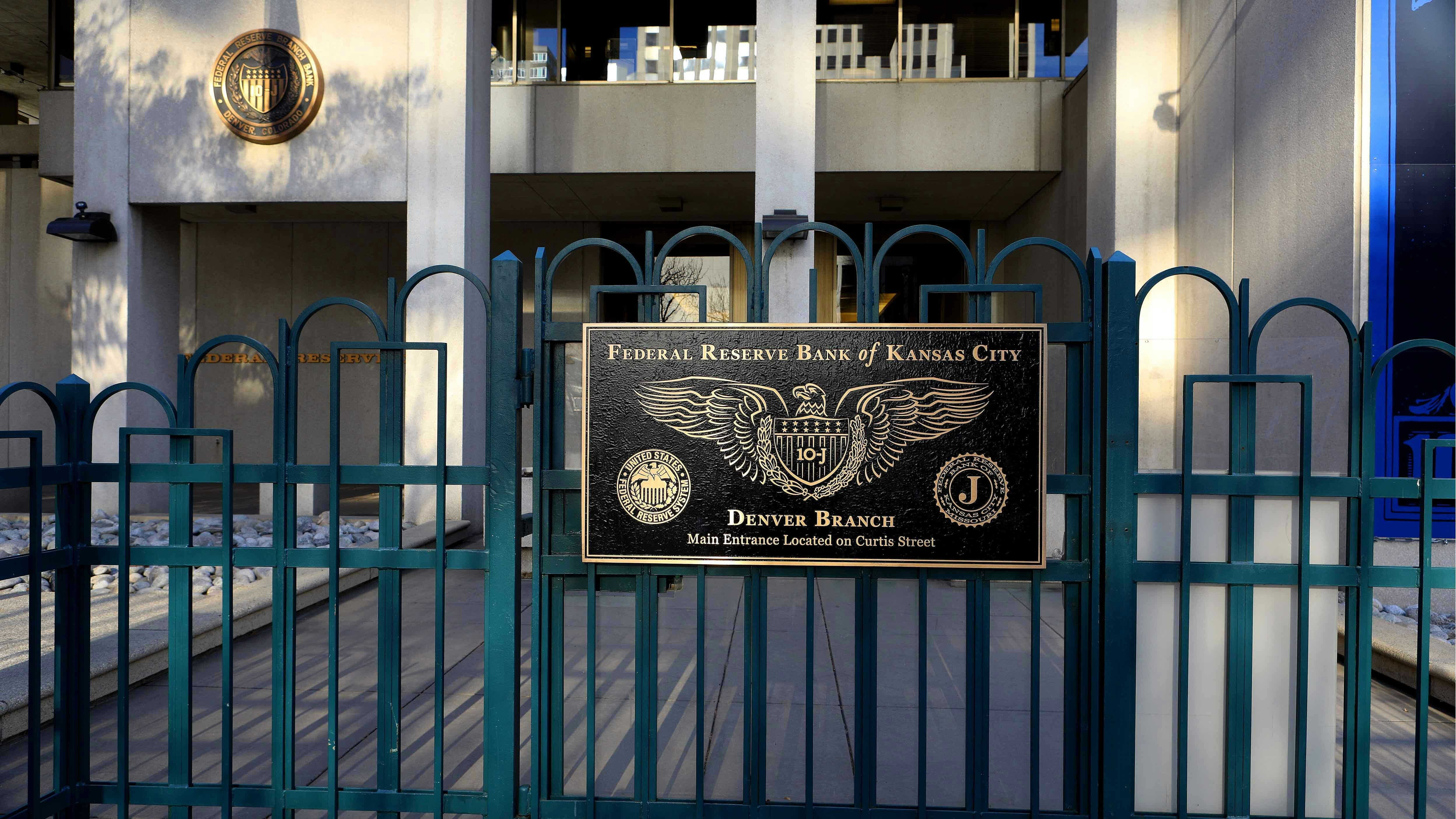
Traditional banks once shunned crypto, but pioneers like Anchorage Digital Bank and Custodia Bank have flipped the script. As the first federally chartered crypto bank, Anchorage provides qualified custody for institutions and high-net-worth individuals, supporting Bitcoin alongside major altcoins like Ethereum and Solana. Its cold storage, backed by 100% reserves and SOC 2 compliance, minimizes counterparty risk. Custodia, Wyoming's SPDI charter holder, operates on a full-reserve model, ensuring every deposit is fully backed, ideal for conservative HODLers wary of fractional lending.
US Challengers Excelling in Retail HODL Security
Quontic Bank leads retail innovation as the first FDIC-insured U. S. bank with Bitcoin rewards checking, seamlessly integrating fiat and crypto for everyday HODL strategies. Vast Bank follows suit, offering direct Bitcoin purchases within its app, with robust encryption and insurance up to $250,000 per account. Both emphasize user-controlled keys, reducing reliance on third-party access.
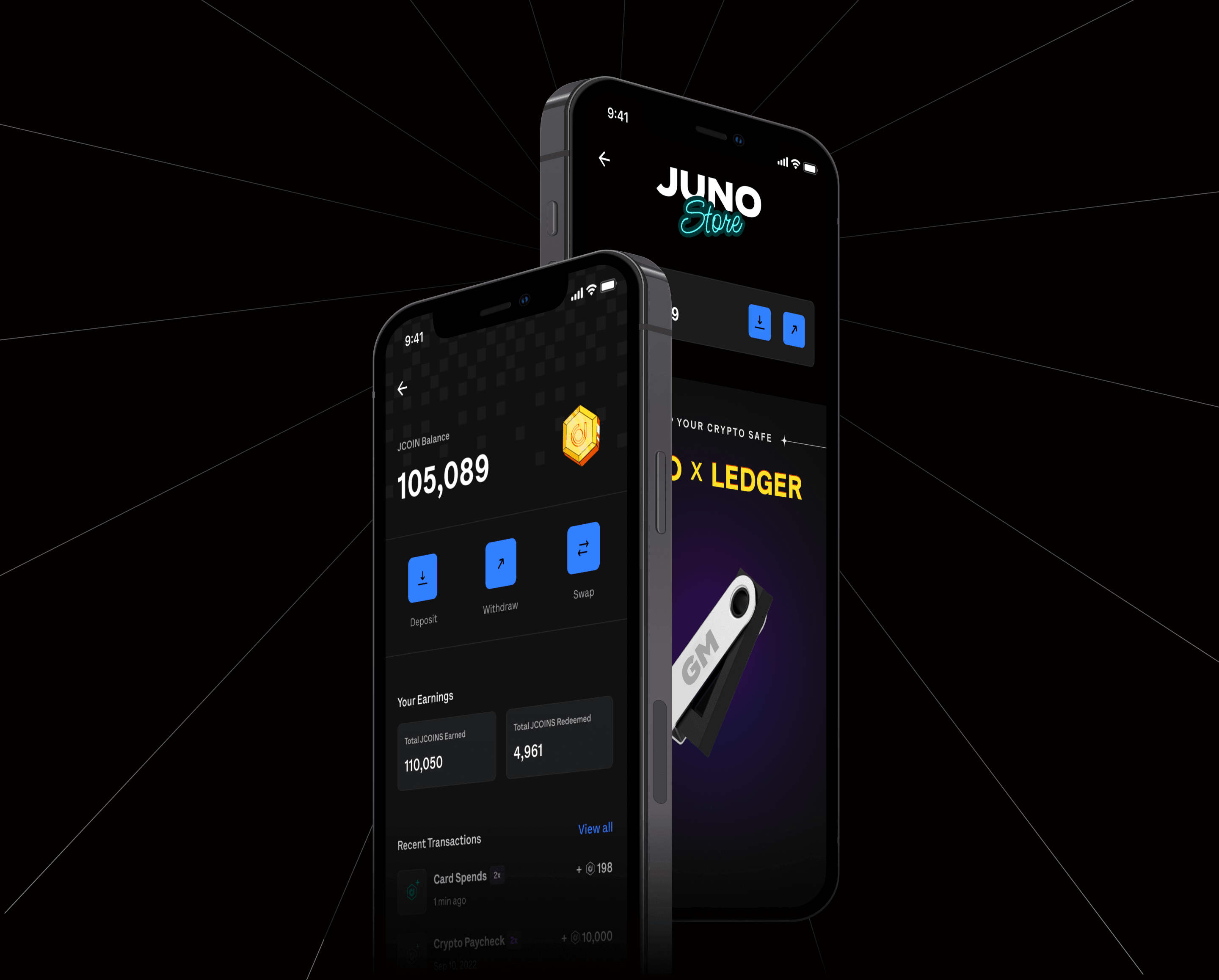
Further solidifying U. S. options, Juno merges neo-banking with crypto wallets, enabling seamless fiat-to-BTC transfers and yield farming on holdings. Customers Bank and Evolve Bank and Trust provide B2B custody rails, powering apps like MoonPay while maintaining FDIC insurance on fiat ramps. These banks excel in secure crypto bank storage, with Evolve's API-driven custody handling billions in volume without a single breach.

Global Powerhouses for Diversified Altcoin Custody
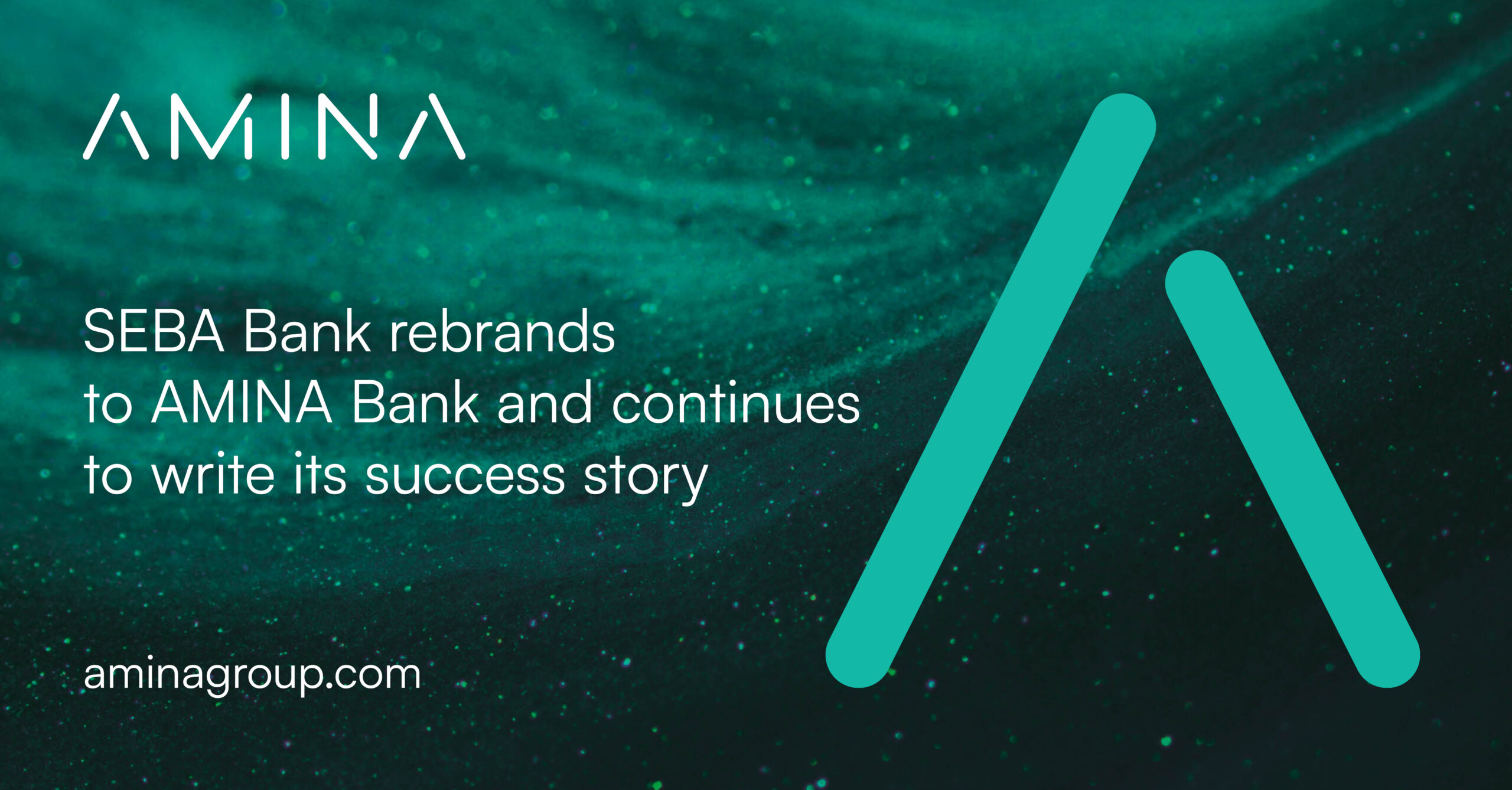
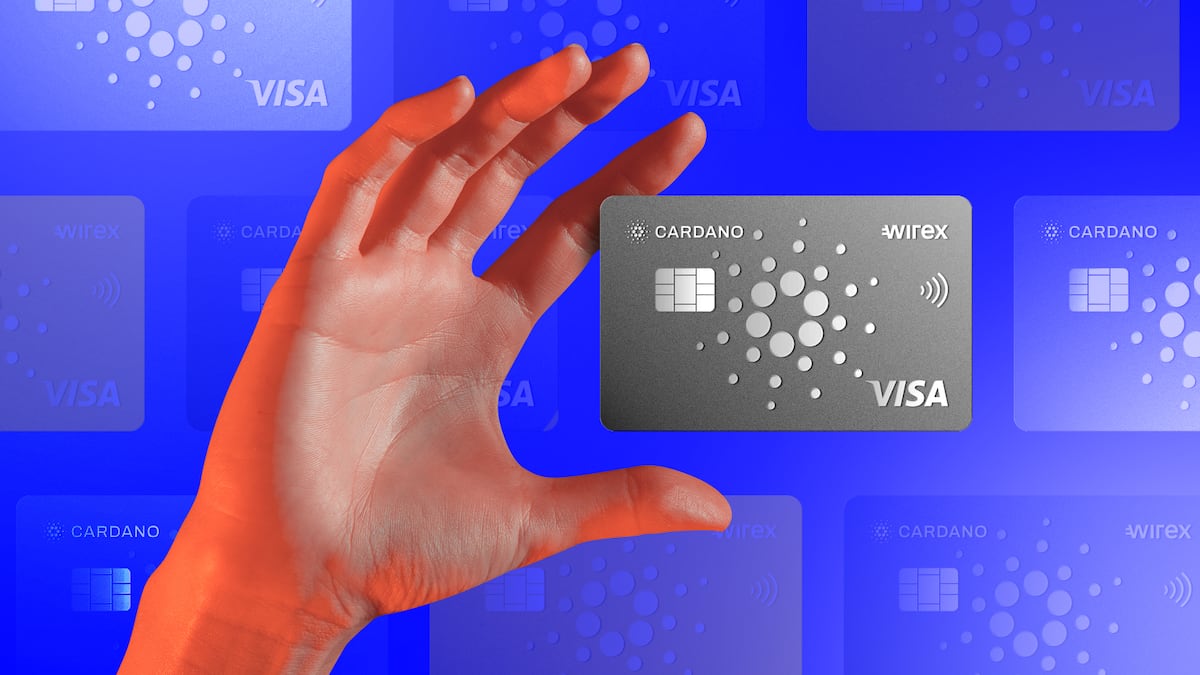
Europe's Sygnum Bank and AMINA Bank, both Swiss-regulated, cater to high-stakes HODLers with tokenized assets and staking services. Sygnum's cold wallet infrastructure supports over 20 altcoins, insured against theft, while AMINA adds DeFi yield without custody surrender. Revolut and Wirex democratize access; Revolut's metal plan vaults BTC with 0.12% fees, and Wirex's crypto debit cards let HODLers spend without selling.
Top 15 Crypto Banks for HODLing
- #15 Anchorage Digital Bank: First federally chartered U.S. crypto bank.Key HODL feature: Regulated custody for Bitcoin and altcoins.
- #14 Custodia Bank: Wyoming SPDI with 100% reserve model.Key HODL feature: Full reserves, no lending of deposits.
- #13 Quontic Bank: FDIC-insured digital bank.Key HODL feature: Bitcoin Rewards Checking with crypto incentives.

- #12 Vast Bank: Oklahoma chartered bank with direct crypto buying.Key HODL feature: Integrated BTC purchases in banking app.

- #11 Sygnum Bank: Swiss-regulated crypto bank.Key HODL feature: Staking yields on supported altcoins.
- #10 AMINA Bank: Swiss digital asset bank (ex-SEBA).Key HODL feature: Custody & staking for institutions.
- #9 Revolut: Global neobank with crypto trading.Key HODL feature: Low fees for holding and transfers.
- #8 Wirex: Crypto payment platform with banking.Key HODL feature: Rewards on holdings via cards.
- #7 Juno: Fiat-crypto hybrid banking platform.Key HODL feature: Seamless storage for BTC and altcoins.
- #6 Customers Bank: U.S. bank supporting crypto firms.Key HODL feature: Stablecoin deposits and custody.
- #5 Evolve Bank & Trust: Partner for crypto platforms.Key HODL feature: Fiat rails for secure transfers.

- #4 DBS Bank: Singapore's leading crypto bank.Key HODL feature: Institutional custody in Asia.
- #3 Standard Chartered Bank: Global bank with crypto services.Key HODL feature: Tokenized custody solutions.
- #2 BNY Mellon: Pioneering digital asset custody.Key HODL feature: Enterprise-grade security for institutions.
- #1 Northern Trust: Top institutional digital asset servicer.Key HODL feature: Comprehensive HODL custody and reporting.
Asia's heavyweights, DBS Bank and Standard Chartered Bank, bring tier-1 compliance. DBS's Digital Exchange custodies BTC and altcoins for institutions, with multi-jurisdictional licenses ensuring geopolitical resilience. Standard Chartered's SC Ventures pilots Bitcoin custody in the Middle East, focusing on enterprise-grade MPC wallets.
Institutional titans BNY Mellon and Northern Trust round out the elite. BNY's crypto custody arm services $45 trillion in AUM, offering segregated accounts for BTC HODLing. Northern Trust integrates altcoin support with ESG reporting, appealing to fiduciary-minded holders. These best HODL crypto banks 2026 prioritize immutability over speculation, with average insurance coverage exceeding $100 million per client.
Selecting among these crypto banks for HODLing boils down to your risk tolerance, asset diversity, and jurisdictional preferences. U. S. -based options like Anchorage and Custodia shine for regulatory certainty, while Swiss banks such as Sygnum offer unmatched privacy. All support Bitcoin custody, but altcoin coverage varies; for instance, Wirex handles 50 and tokens with non-custodial options, letting you retain seed phrases during long holds.
Security metrics reveal stark differences among top crypto banks: Comparative Security and Yield Breakdown for top 15 crypto banks
| Bank | Regulation (🔒) | BTC/Altcoin Support (₿) | Insurance Coverage (🛡️) | Yield on HODL (Y/N %) (📈) | Fees (%) |
|---|---|---|---|---|---|
| Anchorage | US Federal Charter 🔒🔒🔒 (MPC) | BTC + 50+ Alts ₿✅ | Crime $320M 🛡️ | Y 3-7% 📈 | 0.10-0.25% |
| Custodia | Wyoming SPDI 🔒🔒 (100% Reserve) | BTC + Alts ₿✅ | Full Collateral 🛡️ | N | 0% Custody |
| Quontic | FDIC 🔒 | BTC Rewards + Alts ₿✅ | $250M 🛡️ | Y 1.5% APY 📈 | 0-0.5% |
| Vast | US Regulated 🔒🔒 | BTC/Alts ₿ (On-chain Proofs) | Private 🛡️ | Y 4% 📈 | 0.15% |
| Sygnum | Swiss Banking 🔒🔒🔒 | Full Suite ₿✅ | CHF 100M+ 🛡️ | Y Staking 2-6% 📈 | 0.20% |
| AMINA | Swiss Licensed 🔒🔒 | BTC + Majors ₿✅ | Insured 🛡️ | Y 3-5% 📈 | 0.25% |
| Revolut | EU FCA 🔒 | BTC + 100+ Alts ₿✅ | Limited 🛡️ | N | 1-2% |
| Wirex | EMI Multi-Jur 🔒 | Multi-Chain ₿✅ | Yes up to €100k 🛡️ | Y 4% 📈 | 0.5-1% |
| Juno | FDIC Partner 🔒 | Fiat/Crypto ₿✅ | FDIC $250k 🛡️ | Y Rewards 📈 | 0.1-0.3% |
| Customers | FDIC 🔒🔒 | Crypto BaaS ₿✅ | FDIC + Private 🛡️ | N | Var 0.2% |
| Evolve | FDIC 🔒 | Crypto Banking ₿✅ | FDIC 🛡️ | N | 0.1% |
| DBS | MAS Singapore 🔒🔒🔒 | BTC/ETH + Alts ₿ | Internal 🛡️ | Y via Funds 2% 📈 | 0.3% |
| Standard Chartered | Global Tier-1 🔒🔒🔒 | Institutional ₿✅ | Insured 🛡️ | N | 0.2-0.5% |
| BNY Mellon | US OCC 🔒🔒🔒 | Digital Assets ₿✅ | $1B+ 🛡️ | N | 0.15% |
| Northern Trust | US Reg 🔒🔒🔒 | Crypto Custody ₿✅ | Comprehensive 🛡️ | N | 0.20% |
Juno stands out for retail HODLers with 4-6% APY on stablecoin-collateralized BTC yields, without rehypothecation risks. Customers Bank powers enterprise custody for apps like BlockFi remnants, processing $10 billion monthly. Evolve's plug-and-play APIs enable seamless integration for DAOs holding altcoins long-term.
Globally, Sygnum's staking yields 5-8% on Ethereum holdings, directly in cold storage. AMINA Bank's tokenization wraps BTC for DeFi access while keeping principal secured. Revolut's vault feature pauses all outflows, perfect for HODL strategies crypto banking. Wirex adds multicurrency wallets, hedging fiat crashes during crypto winters.
Tailored Recommendations for HODL Profiles
Bitcoin maximalists gravitate to Custodia's 100% reserve purity; no lending means zero insolvency risk, even in black swan events. Altcoin diversifiers pick Northern Trust for its 30 and token support and automated rebalancing tools. High-volume institutions lean on BNY Mellon's segregated ledgers, compliant with SEC custody rules.
DBS Bank's Asia-Pacific dominance suits regional HODLers, with Singapore MAS licensing and real-time audits. Standard Chartered's MPC pilots reduce key-loss probabilities to 1 in 10^50. For everyday users, Quontic or Juno deliver frictionless entry; deposit fiat, buy BTC, earn rewards, all FDIC-wrapped.
Discipline dictates layering strategies: primary custody at Anchorage, satellite yields via Wirex, oversight through Revolut apps. Monitor via on-chain verifications; Vast and Evolve publish Merkle proofs quarterly. These banks average 99.99% uptime, with zero client fund losses since inception.
Navigating 2026's landscape favors those auditing insurance scopes; BNY covers hacks and insider theft, but not smart contract exploits. Pair with hardware wallets for offline signing. Ultimately, these platforms transform HODLing from passive grip to fortified stronghold, where secure crypto bank storage meets strategic yield without compromising control. Stick to audited reserves, diversify jurisdictions, and review proofs religiously; that's the disciplined path to weathering volatility.





No comments yet. Be the first to share your thoughts!