Best crypto banks at a glance
Choosing the right platform depends on how you plan to move money and what you intend to hold. The landscape splits between traditional crypto exchanges that double as fiat on-ramps and neobanks that embed trading into daily banking apps. Below is a side-by-side comparison of the top picks to help you identify the best fit for your specific needs.
| Platform | Best For | Maker Fee | Assets |
|---|---|---|---|
| Coinbase | Beginners | 0.6% | 200+ |
| Kraken | Security | 0.25% | 200+ |
| OKX | Low Fees | 0.08% | 300+ |
| Crypto.com | Rewards | 0.25% | 250+ |
| Revolut | Everyday Banking | Variable | 280+ |
Coinbase remains the most accessible entry point for newcomers, offering a streamlined interface and strong regulatory compliance, though its fees are higher than competitors. For traders prioritizing cost efficiency, OKX offers maker fees as low as 0.08%, significantly undercutting Coinbase and Gemini. Kraken continues to be a top choice for security-conscious users, providing robust infrastructure and a wide selection of assets at competitive rates. Meanwhile, Revolut appeals to those who want crypto trading integrated directly into their daily fiat banking experience, allowing seamless movement between traditional and digital currencies.
Kraken review: Best overall exchange
Kraken’s primary advantage lies in its security infrastructure and fee structure for active traders. The platform has maintained an unbroken security record since its inception, a critical factor for institutions and high-net-worth individuals. Its Pro interface offers advanced order types and lower fees compared to standard retail exchanges, making it suitable for users who trade frequently. However, the interface complexity may present a steep learning curve for absolute beginners compared to Coinbase’s simplified mobile app.
Coinbase review: Best for beginners
Coinbase prioritizes user experience and regulatory clarity over low fees. Its intuitive mobile and web interfaces make it the easiest platform for first-time buyers to purchase Bitcoin, Ethereum, and other major assets. The platform’s public listing on the NASDAQ adds a layer of institutional credibility. While the standard trading fees are higher, Coinbase One offers unlimited zero-fee trades for a monthly subscription, which can be cost-effective for high-volume users who value simplicity and customer support over raw fee efficiency.
Uphold and Crypto.com: Staking and rewards
For users prioritizing passive income, Uphold and Crypto.com offer distinct approaches to yield. Uphold has earned recognition as a top platform for staking, particularly for its straightforward interface and support for a wide range of assets. It is a strong choice for beginners looking to earn rewards without complex technical setups.
Crypto.com, by contrast, leans heavily into lifestyle integration. Its platform ties staking rewards to a tiered membership system, often requiring a lock-up of its native token, CRO. This model appeals to users who want to combine investment yields with tangible perks like cashback or travel benefits.
The difference in yield rates can be significant. For example, staking ETH on Uphold may offer a different annual percentage yield (APY) compared to similar assets on Crypto.com, depending on market conditions and platform promotions. Users should compare current rates directly on each platform before committing funds.
Both platforms require careful attention to lock-up periods and fees. Uphold generally offers more flexibility, while Crypto.com’s higher potential rewards often come with stricter requirements. Choose the platform that aligns with your liquidity needs and reward preferences.
How to choose a crypto bank in 2026
Selecting a crypto bank requires matching the institution’s capabilities to your specific financial profile. A beginner prioritizing simplicity needs different tools than a high-frequency trader or a long-term investor. The right choice depends on how you intend to bridge fiat currency and digital assets.
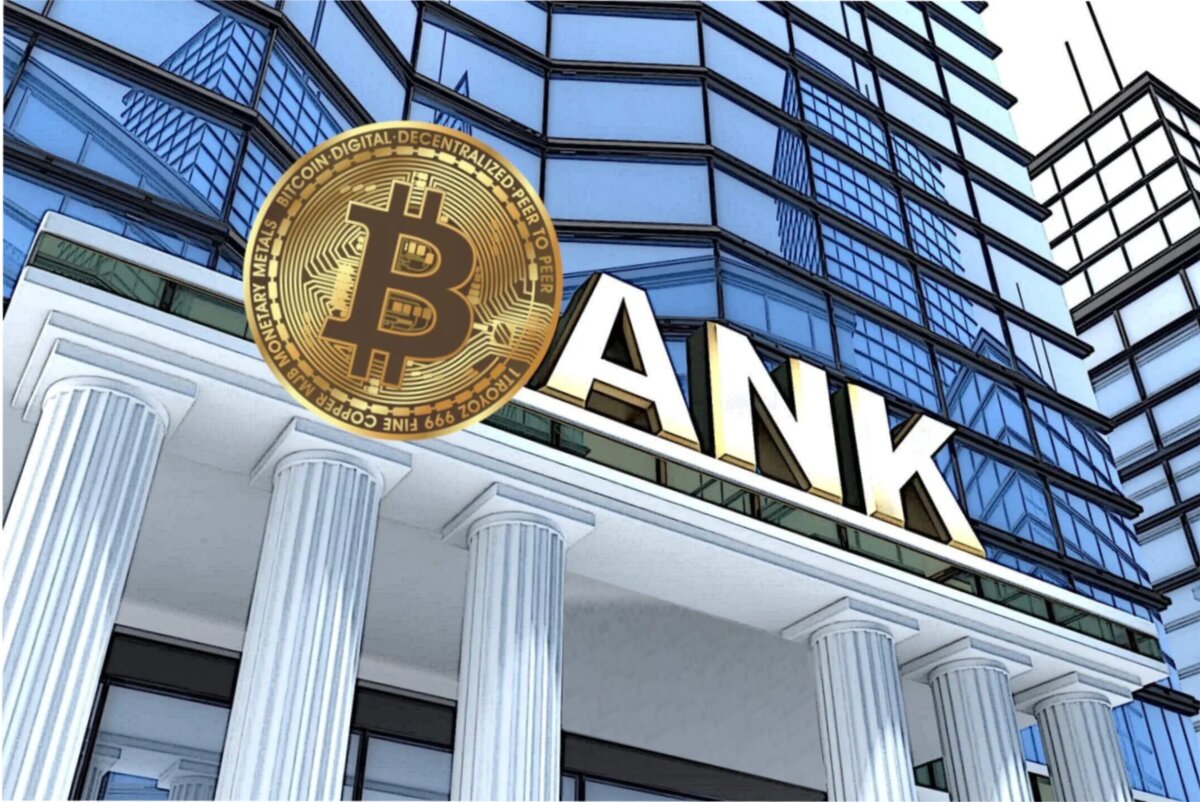
Begin by defining your main goal. Beginners often seek a single app for daily spending and small crypto purchases, while traders require low-latency fiat on-ramps and robust API access. Investors may prioritize custody solutions and interest-bearing accounts. Clarifying this need narrows the field from dozens of options to a manageable shortlist.
Fiat integration is the most critical technical factor. Check deposit limits, supported currencies, and withdrawal speeds. Some platforms restrict large transfers or charge high fees for wire transfers. Ensure the bank supports your local currency and offers direct bank account linking to avoid unnecessary intermediary steps.
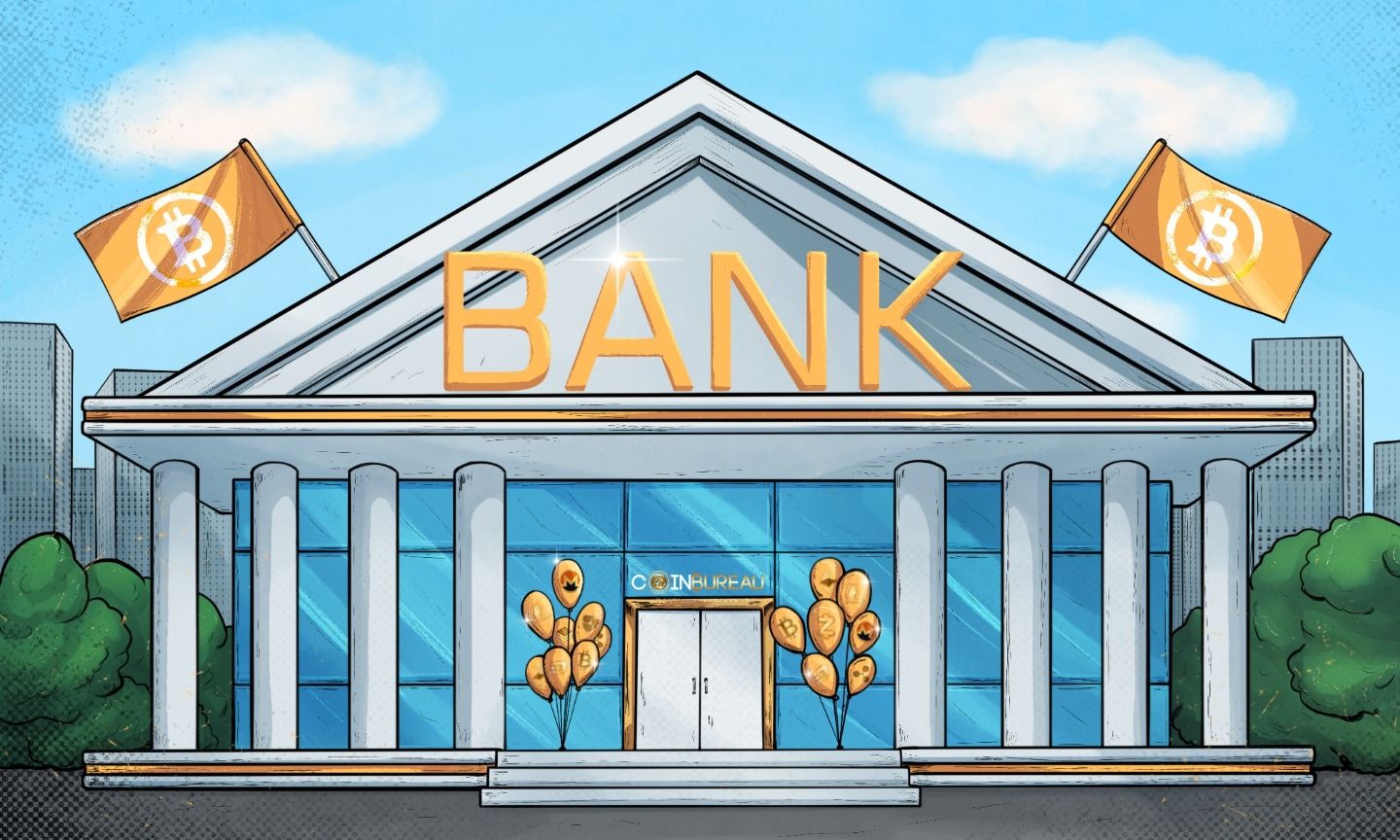
Security is non-negotiable. Look for banks that are regulated by major financial authorities such as the FCA, SEC, or FINMA. Check if they offer two-factor authentication (2FA), biometric login, and cold storage for digital assets. Avoid platforms with unclear regulatory standing or those operating in offshore jurisdictions with weak consumer protections.
Fee structures vary widely. Some banks charge monthly subscription fees for premium features, while others take a percentage of each transaction. Look for hidden costs like foreign exchange spreads or inactivity fees. A platform with low trading fees might have high deposit costs, so calculate the total cost based on your expected volume.
Not all crypto banks support the same assets. If you trade niche altcoins or stablecoins, verify their availability. Major platforms typically support Bitcoin, Ethereum, and major stablecoins like USDC. If you need access to specific tokens, ensure the bank’s integration is reliable and that withdrawals are processed quickly.
A careful evaluation of these factors ensures you select a crypto bank that aligns with your financial goals and risk tolerance.
Frequently asked questions about crypto banks
Which bank is best for the crypto industry?
Revolut stands out as a leading option for integrating traditional banking with digital assets. The platform allows business owners and individuals to buy, sell, and hold over 280 cryptocurrencies, including stablecoins like USDC and USDT, directly within the app. This built-in functionality simplifies the on-ramp process, eliminating the need for separate exchange accounts for everyday crypto transactions.
Are big banks buying XRP?
Current market data suggests that major financial institutions are not significantly accumulating XRP for their balance sheets. While some partnerships exist, the largest disclosed buyers have been trading desks or entities with smaller holdings than typical retail investors. Banks involved in recent blockchain partnerships are primarily settling transactions in stablecoins like RLUSD, while XRP continues to function mainly as a settlement asset for fees.
Helpful gear
Use these product recommendations as a starting point, then choose the size, material, and price point that fit how you actually use the gear.

As an Amazon Associate, we may earn from qualifying purchases.

No comments yet. Be the first to share your thoughts!