The 2026 crypto banking landscape
The era of crypto as a speculative novelty has effectively ended. In 2026, digital assets are no longer traded in the shadows of offshore exchanges but are integrated into the core infrastructure of regulated financial institutions. The market has shifted from high-risk speculation to institutional-grade custody, where stability and compliance are the primary currencies of trust.
This transition is driven by the maturation of stablecoins and the convergence of traditional banking rails with blockchain technology. As noted by the World Economic Forum, a new foundation for global finance is taking shape. Banks are adopting blockchain infrastructure for settlement and clearing, while blockchain networks are evolving to meet the strict regulatory demands of global enterprises. This symbiosis has created a more robust, albeit slower, ecosystem where digital assets function as utility rather than lottery tickets.
Simultaneously, the regulatory framework is tightening. The race for a federal crypto banking license has intensified, with the Office of the Comptroller of the Currency (OCC) and federal lawmakers debating the parameters of stablecoin legislation. In March 2026, the American Bankers Association formally rejected a White House compromise on pending federal stablecoin bills, signaling that traditional banks are unwilling to accept vague regulatory oversight. This pushback is forcing a clearer definition of what constitutes a "crypto bank," distinguishing between entities that merely offer exposure and those that provide full-service custody and issuance.
Deutsche Bank’s 2026 outlook for digital assets underscores this shift. The bank reports that stablecoins are moving into broader use cases beyond simple trading pairs, entering real-world applications like cross-border payments and supply chain finance. This institutional adoption is what separates the current landscape from the boom-and-bust cycles of previous years. The focus is now on infrastructure, security, and the legal clarity that allows large-scale capital to flow safely into digital assets.
Top regulated crypto banks for 2026
The 2026 banking landscape for digital assets has bifurcated into specialized custodians and traditional institutions adapting to regulatory clarity. Selecting a partner requires distinguishing between banks that offer full-service custody and those providing merely transactional rails. Deutsche Bank’s latest outlook notes the emergence of stablecoins into broader use cases, signaling a shift from speculative trading to institutional settlement layers [[src-serp-1]].
For entities requiring global stability, KAST has emerged as the primary choice for stablecoin banking, offering deep liquidity pools and compliant fiat on-ramps that integrate directly with legacy accounting systems [[src-serp-7]]. Conversely, traditional giants like Ally Bank are adapting by offering crypto-adjacent services that remain strictly within the boundaries of existing federal charters, providing a lower-risk entry point for conservative portfolios [[src-serp-7]].
The following comparison highlights the structural differences between these regulated entities. Institutions must align their custody requirements—whether self-custody via MPC or institutional cold storage—with their specific regulatory exposure before committing capital.
| Institution | Custody Type | Primary Assets | Regulatory Status |
|---|---|---|---|
| KAST | Institutional MPC | Stablecoins, BTC, ETH | Specialized Digital Asset License |
| Deutsche Bank | Custody & Settlement | BTC, ETH, Tokenized Bonds | Full-Service Bank (EU/US) |
| Ally Bank | Third-Party Partner | BTC, ETH (Indirect) | US National Bank Charter |
How digital asset insurance works
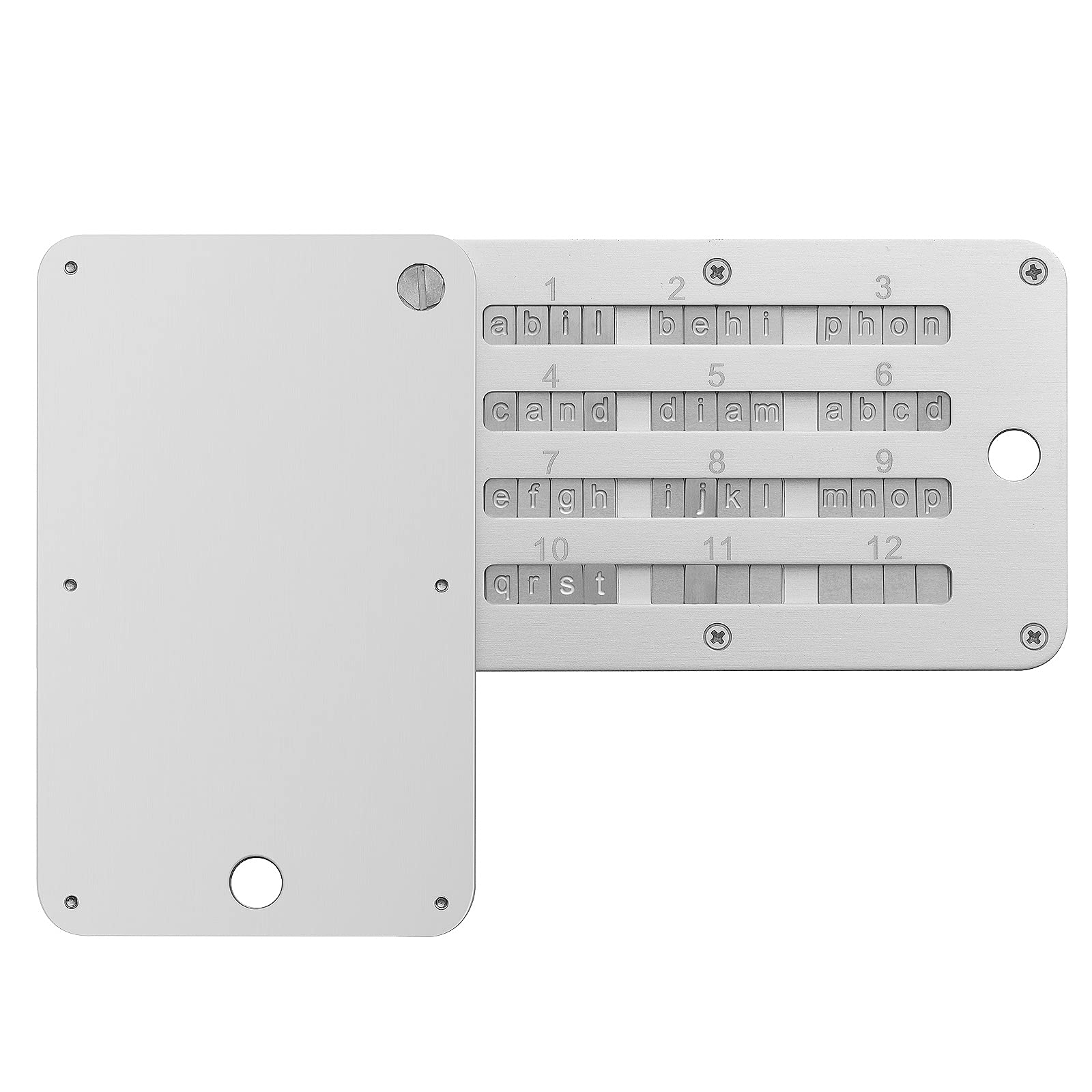
Digital asset insurance is not a single policy but a layered defense system. It combines traditional liability coverage with specialized custody safeguards to protect funds against theft, operational failure, and regulatory shifts. In 2026, the standard for institutional custody has shifted from simple cold storage to multi-signature protocols and geographically distributed vaults.
Most major institutions now offer "all-risk" policies that cover both hot wallets (online) and cold storage (offline). These policies typically exclude losses due to poor user security, such as sharing private keys. The coverage limits are often tied to the institution’s net worth and its track record in handling digital assets.
The mechanics rely on strict segregation of duties. No single employee can move funds without multiple approvals, often involving off-site verification. This structure mirrors traditional banking protocols but adapts to the immutable nature of blockchain. As noted by the Boston Consulting Group, crypto remains the largest digital asset class, driving the need for these sophisticated, revenue-generating custody services.


As an Amazon Associate, we may earn from qualifying purchases.
Choosing the right crypto bank
Selecting a crypto bank requires matching your risk tolerance with a specific regulatory structure. Unlike traditional banks, crypto institutions operate under varying degrees of oversight, making the jurisdictional framework the primary determinant of safety. In 2026, the landscape is defined by the tension between federal charters and state-level regulations.
The Office of the Comptroller of the Currency (OCC) has issued national trust bank charters to several fintech firms, allowing them to hold crypto assets under federal supervision. This path offers a higher degree of regulatory clarity but comes with strict capital requirements. Conversely, institutions relying on state money transmitter licenses face a fragmented compliance environment, which can complicate asset recovery in the event of insolvency.
Your choice should hinge on three concrete factors: the legal status of your deposited assets, the scope of insurance coverage, and the bank’s regulatory jurisdiction. A bank holding an OCC charter provides a layer of federal protection that state-licensed entities lack. However, even with a federal charter, crypto assets are generally not covered by the Federal Deposit Insurance Corporation (FDIC).
Evaluate institutions based on their ability to segregate customer assets from proprietary trading books. The American Bankers Association’s recent rejections of federal stablecoin compromises highlight the volatility in legislative support. Prioritize banks that maintain transparent, audited reserves and clearly disclose their custodial arrangements.

Check whether the institution holds an OCC national trust charter, a state banking license, or operates as a money transmitter. Federal charters provide a more consistent regulatory baseline than state-specific licenses, which vary widely in their enforcement standards and capital requirements.

Confirm that your crypto assets are held in segregated custodial accounts, separate from the bank’s operational funds. Understand that these assets are typically not covered by FDIC insurance. Look for private custodial insurance policies that cover theft, loss, or hacking, and verify the coverage limits.

Determine where the bank is legally domiciled and where its compliance team is based. Institutions operating in jurisdictions with clear, stable crypto regulations offer better legal recourse. Avoid banks based in regions with ambiguous or rapidly changing digital asset laws, which can lead to frozen accounts or sudden policy shifts.

No comments yet. Be the first to share your thoughts!