
How we picked the best crypto banks
Defining a "crypto bank" in 2026 requires separating regulatory reality from marketing hype. A true crypto bank must hold its own banking license, not just a partnership with one. This distinction matters because it determines whether your funds are insured, how they are segregated, and which regulator steps in if things go wrong. We evaluated platforms based on three non-negotiable criteria: explicit regulatory status, institutional-grade security, and seamless fiat-crypto integration.
We excluded platforms that merely offer crypto custody without banking charters. Instead, we focused on institutions like Sygnum Bank, which operates under dual licenses in Switzerland and Singapore, and Mercury, which provides US-based corporate accounts with integrated crypto accounting for startups. For retail users in the UK, Monzo’s integration with crypto services offers a familiar interface backed by established banking infrastructure.
Our selection process prioritized platforms that bridge the gap between traditional finance and digital assets without forcing users to rely on unregulated exchanges. We looked for direct fiat on-ramps, transparent fee structures, and clear terms of service regarding crypto holdings. This approach ensures that the platforms listed are suitable for both high-stakes institutional use and everyday retail transactions.


As an Amazon Associate, we may earn from qualifying purchases.
Top crypto-friendly banks for 2026
The landscape for fiat-crypto integration has fractured. Retail users, small businesses, and institutions no longer share banking needs, and the platforms that attempt to serve all three often fail at security or compliance. In 2026, the distinction between a traditional neobank with crypto features and a fully regulated digital asset bank is the primary factor in choosing a provider.
The following platforms represent the current standard for specific use cases. Each has been evaluated for regulatory standing, asset support, and operational reliability. The goal is to match the right infrastructure to the user's risk profile and jurisdiction.
Sygnum Bank: Best for Institutions and High-Net-Worth Individuals
Sygnum operates as a fully licensed digital asset bank in Switzerland and Singapore, making it the primary choice for institutional clients requiring regulated custody and fiat on-ramps. Unlike neobanks that merely offer crypto trading links, Sygnum holds banking licenses that allow for the safekeeping of digital assets alongside traditional fiat accounts.
This platform is designed for entities that require strict compliance with Swiss financial regulations. It supports a wide range of institutional products, including tokenized assets and structured products. For retail users, the barrier to entry is higher, and the focus remains squarely on professional-grade infrastructure. It is the safest option for large-scale holdings where regulatory clarity is non-negotiable.
Mercury: Best for US-Based Crypto Businesses
Mercury provides a specialized banking environment for US-based crypto startups and businesses. It does not offer retail crypto trading or personal wallets, but it excels at solving the operational headache of managing fiat accounts for high-risk crypto entities. Traditional US banks frequently close accounts associated with cryptocurrency activities, creating liquidity traps for growing businesses.
Mercury’s infrastructure is built to handle the transaction volumes and compliance requirements of crypto firms. It integrates with major accounting software and provides multi-user access controls essential for corporate finance teams. For any US-based crypto operation that needs reliable fiat banking without the constant threat of account closures, Mercury is the standard.
Monzo: Best for Retail Integration
Monzo offers one of the most seamless retail experiences for crypto integration within the United Kingdom. While it does not hold a crypto license itself, its partnership with regulated providers allows users to buy, sell, and hold cryptocurrencies directly within the main banking app. This convenience comes with the trade-off of limited asset selection compared to dedicated exchanges.
This platform is ideal for casual investors who want to keep their crypto holdings visible in their primary financial dashboard without managing separate logins or transferring funds to external wallets. The fiat-to-crypto flow is instant, and the user interface is polished. However, it is not suitable for active traders or those requiring advanced order types.
Comparison of Top Crypto Banks
The table below summarizes the key differentiators. Jurisdiction and regulatory status are the most critical factors, as they determine the safety of your funds and the legality of your operations in your region.
| Bank | Jurisdiction | Best For | Regulatory Status |
|---|---|---|---|
| Sygnum Bank | Switzerland & Singapore | Institutions & HNWIs | Licensed Digital Asset Bank |
| Mercury | United States | Crypto Businesses | Banking Partner for Fintech |
| Monzo | United Kingdom | Retail Users | Authorized Payment Institution |
Essential Tools for Secure Banking
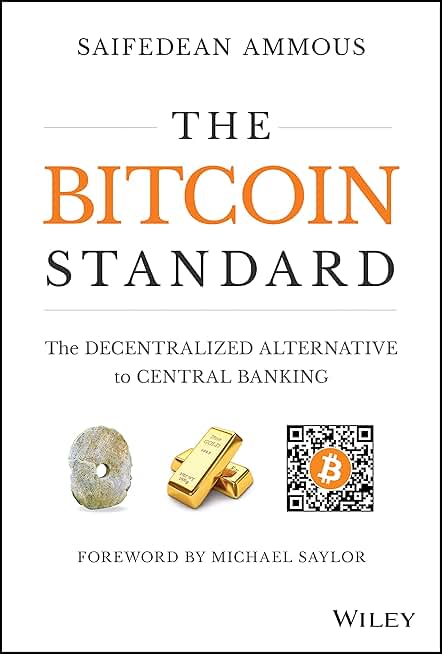
Regardless of the platform you choose, securing your digital assets requires additional layers of protection. Hardware wallets and educational resources remain vital for long-term safety. The following products are recommended for users looking to enhance their security posture or deepen their understanding of crypto finance.


As an Amazon Associate, we may earn from qualifying purchases.
Key features to look for in a crypto bank
Selecting a crypto bank requires a rigorous audit of three structural pillars: custody architecture, insurance coverage, and fiat integration. These elements determine whether your assets are protected by institutional-grade safeguards or exposed to regulatory and technical volatility.
Custody solutions
Custody is the foundation of security. Evaluate whether the bank uses Multi-Party Computation (MPC) or traditional Multi-Signature wallets. MPC distributes key fragments across multiple devices, reducing single points of failure. Verify if the bank holds assets in segregated accounts, ensuring client funds are legally distinct from the bank’s operational capital. Institutions like Sygnum and Mercury employ strict custody protocols to mitigate risk.
Insurance coverage
Insurance policies vary significantly between traditional banks and crypto-native platforms. Traditional banks often extend FDIC or SIPC coverage to digital asset accounts, but exclusions for crypto-specific risks are common. Crypto-native platforms may offer private insurance policies covering theft or hacking, but these rarely protect against market loss or regulatory seizure. Scrutinize the policy limits and covered perils to understand the true extent of your protection.
Fiat on/off ramps
Seamless fiat integration is critical for liquidity. Look for banks that support direct wire transfers, ACH, and real-time payments (RTP) without excessive hold periods. Delays in converting crypto to fiat can expose you to market volatility. Platforms like Monzo and Mercury offer streamlined fiat corridors, reducing friction when moving between traditional and digital currencies. Ensure the bank supports the specific fiat currencies you need for global operations.


As an Amazon Associate, we may earn from qualifying purchases.
Regulatory risks and compliance in 2026
The regulatory landscape for crypto banking in 2026 is defined by a stark divide between licensed institutions and unregulated entities. For high-net-worth individuals and institutional investors, the primary risk is no longer market volatility, but the potential for "de-banking"—the sudden severing of fiat connections by traditional partners who fail to meet evolving compliance standards. This environment rewards platforms that operate with full regulatory transparency and hold specific crypto-asset licenses.
Institutions like Sygnum Bank (Switzerland & Singapore), Monzo (United Kingdom), and Mercury (United States) have structured their operations to navigate these complexities. Sygnum, for instance, operates under a banking license in Switzerland and a payment institution license in Singapore, providing a regulatory moat that many US-based fintechs lack. Similarly, Monzo and Mercury have built robust compliance frameworks to serve crypto-native businesses, ensuring that fiat on-ramps and off-ramps remain stable even during periods of heightened scrutiny.
The trend toward stricter oversight means that relying on unlicensed exchanges for fiat integration is increasingly perilous. Regulatory bodies in the EU and US are tightening AML (Anti-Money Laundering) and KYC (Know Your Customer) requirements, making it difficult for non-compliant platforms to maintain banking partnerships. Consequently, the "best" crypto banks are those that prioritize regulatory compliance as a core feature, not an afterthought. This ensures that your fiat-crypto bridge remains open, secure, and legally defensible.
For investors looking to further secure their assets against regulatory or custodial risks, holding private keys is essential. The following tools and educational resources can help you understand self-custody and hardware security.


As an Amazon Associate, we may earn from qualifying purchases.

No comments yet. Be the first to share your thoughts!