
In the maturing landscape of digital assets, where institutions grapple with volatility, regulatory scrutiny, and the imperative for ironclad security, Anchorage Digital Bank emerges as a beacon of reliability. As the first federally chartered crypto bank in the U. S. , it redefines crypto bank custody services by blending banking-grade compliance with cutting-edge technology. This Anchorage Digital Bank review for 2026 delves into its custody fees, security architecture, and account requirements, offering a measured assessment for hedge funds, venture capital firms, and corporations eyeing secure bitcoin custody banks.
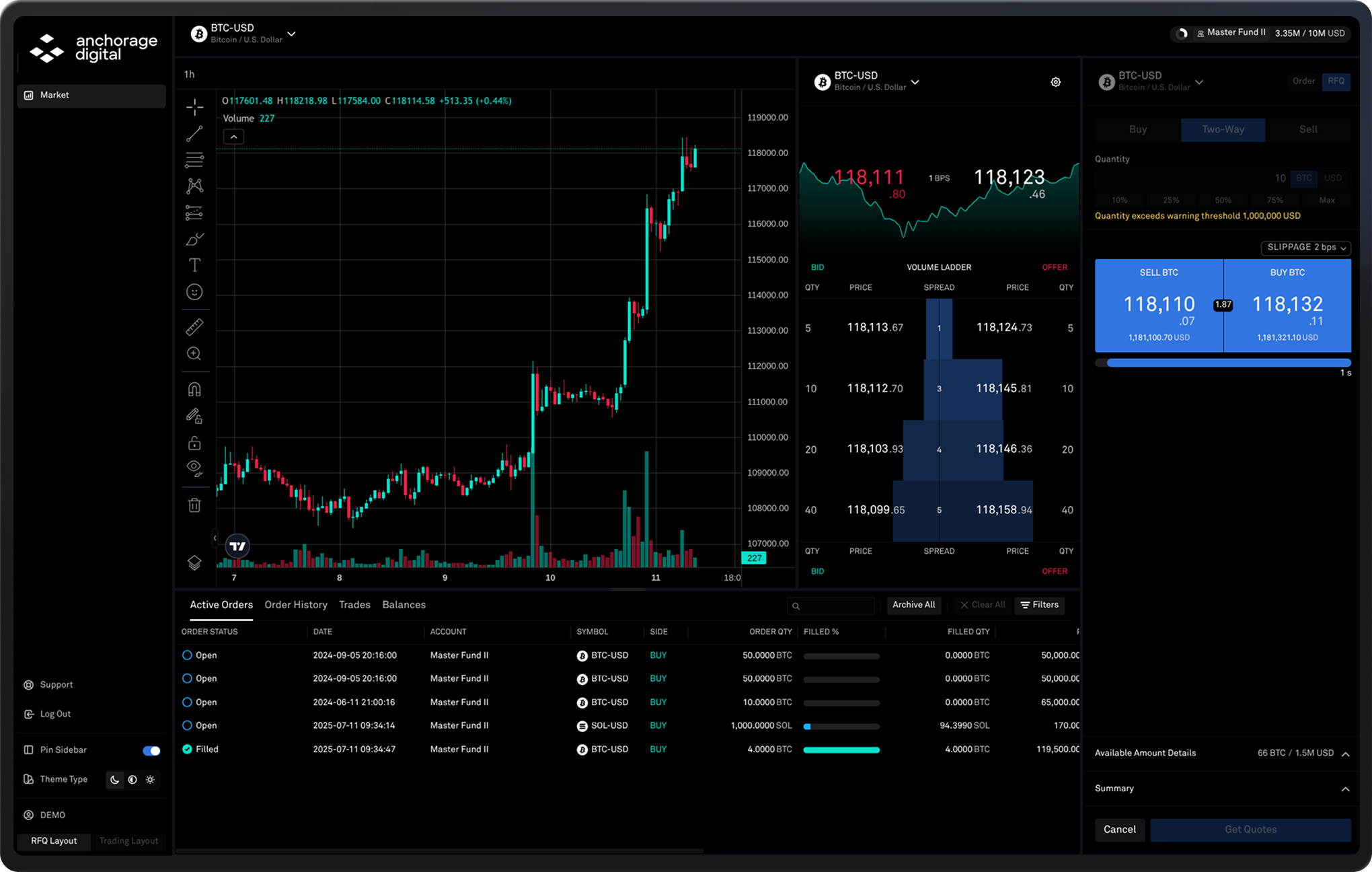
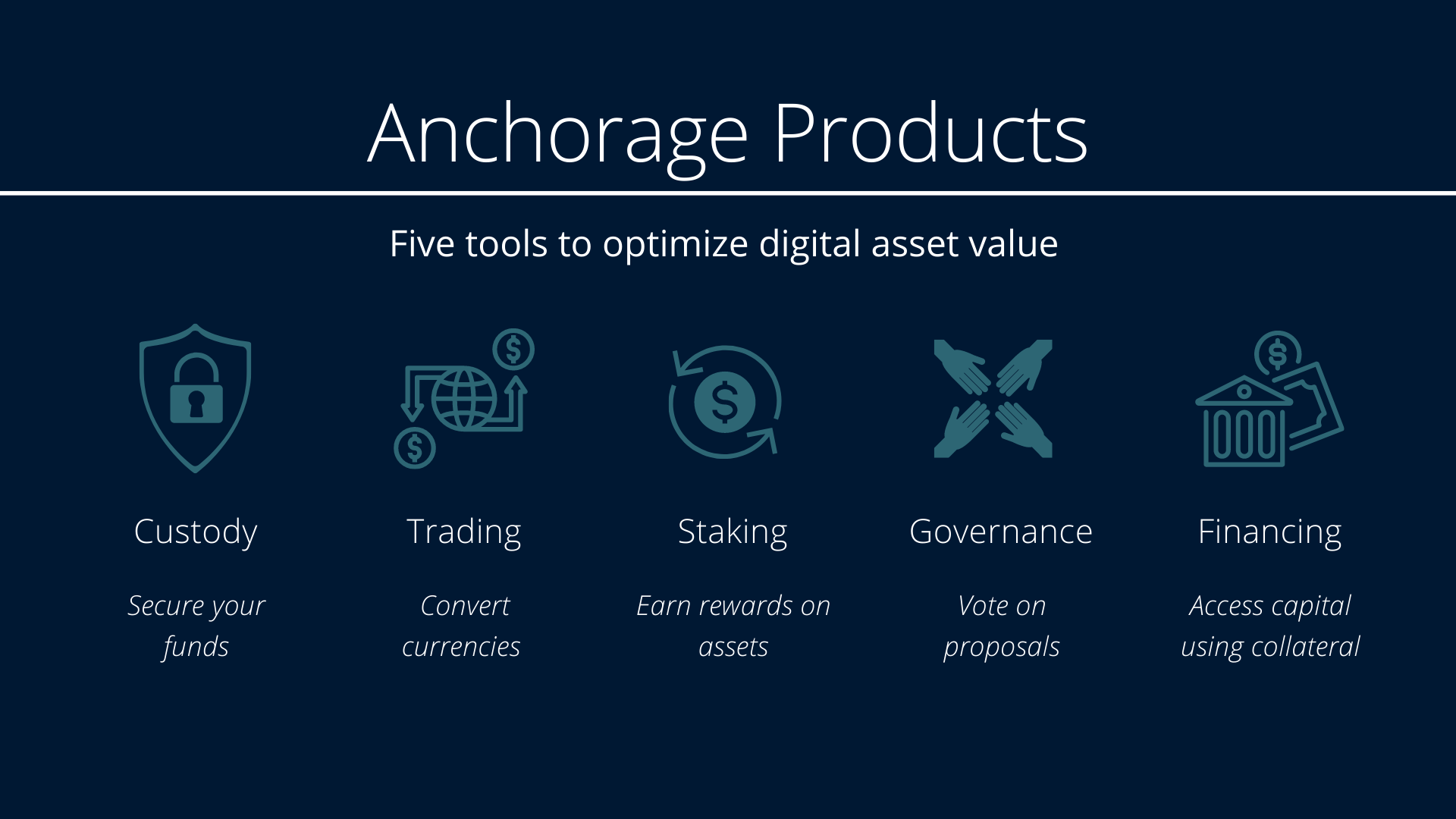
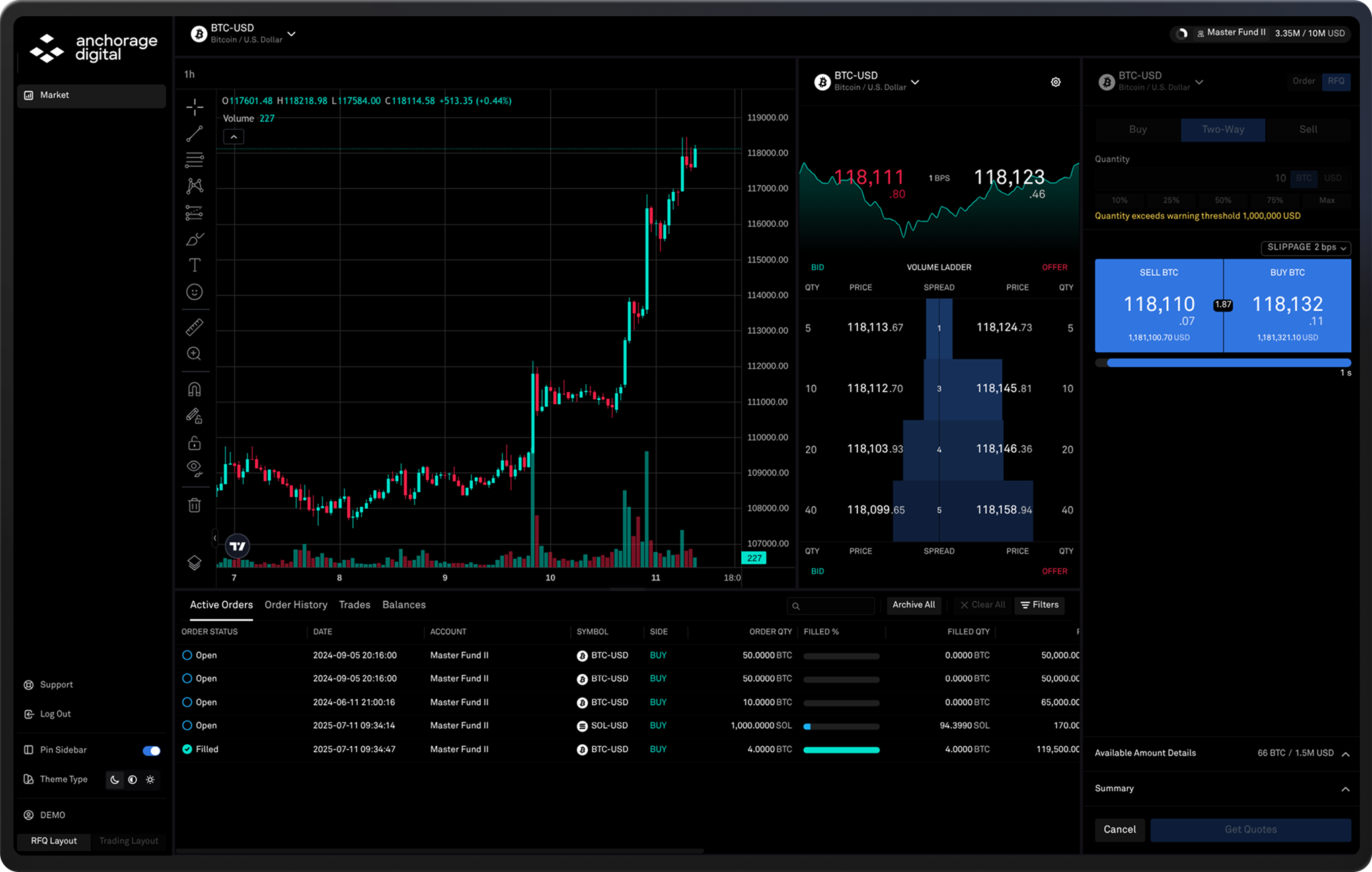
Anchorage Digital does not merely store assets; it empowers institutions to actively engage with them through staking, trading, governance, and DeFi participation, all from within custody. This integration addresses a critical pain point in traditional custody models, where assets sat idle and disconnected. Drawing from 17 years in portfolio construction, I view Anchorage's approach as a strategic evolution, aligning custody with long-term wealth building in a macro environment favoring regulated digital finance.
Anchorage's Institutional-Grade Custody Framework
At its core, Anchorage Digital prioritizes institutions, distinguishing itself from retail-focused platforms. Its platform facilitates seamless participation in digital assets without the silos that plague legacy custodians. Key differentiators include advanced governance workflows and staking directly from custody, enabling yield generation without compromising security. In my analysis, this positions Anchorage as a forward-thinking partner for portfolios navigating 2026's regulatory tightening and market expansion.
Key Anchorage Features
- Federally Chartered Bank: First U.S. federally chartered digital asset bank, ensuring stringent regulatory compliance and institutional trust. (anchorage.com)
- Biometric Authentication: Employs voice and video biometrics for secure transaction approvals, enhancing access control. (anchorage.com)

- Staking from Custody: Allows institutions to stake assets directly from custody, maximizing yields without asset movement.
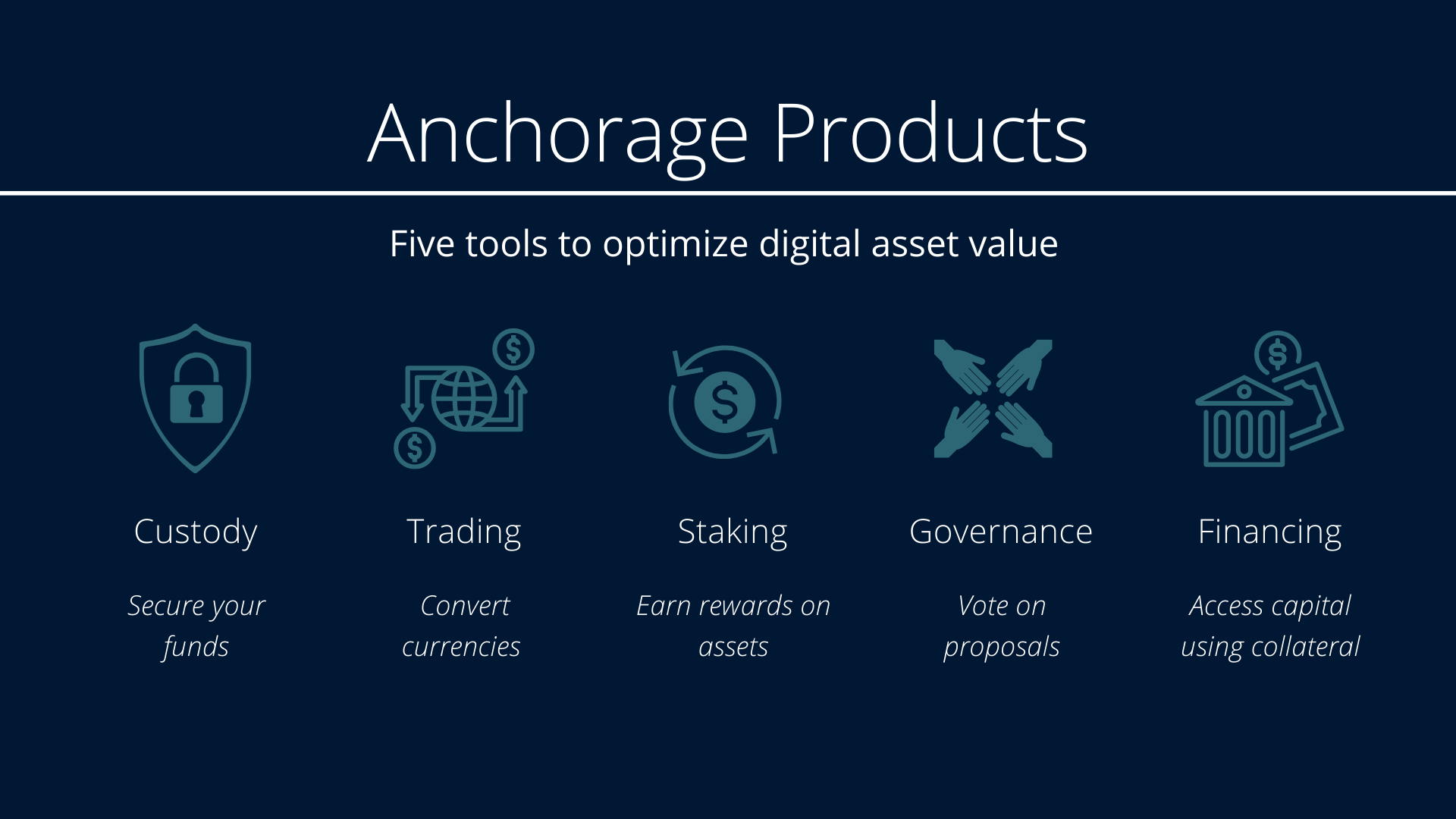
- DeFi Access: Secure integration for institutional participation in DeFi protocols while maintaining custody standards.
- Advanced Workflows: Custom governance, approval, and multi-party workflows tailored for complex institutional operations.
Consider the macroeconomic backdrop: with central banks signaling sustained interest in digital assets and governments anchoring policies around federally regulated entities, Anchorage's charter provides a compliance moat. Institutions benefit from this not just in risk mitigation but in operational efficiency, as custody evolves into a hub for multifaceted asset management.
Dissecting Custody Fees in 2026
Anchorage custody fees 2026 reflect a bespoke model tailored to institutional scale, eschewing one-size-fits-all pricing that often burdens smaller players. Public disclosures are sparse, emphasizing custom negotiations, but patterns emerge from industry benchmarks. Setup fees are institutional-specific, often waived or structured around initial asset transfers. Annual custody fees scale with assets under management, incorporating factors like asset diversity and transaction velocity.
Transaction and withdrawal fees further customize the structure, calibrated to client requirements such as frequency and asset types. Notably, digital assets in custody lack FDIC insurance, a reminder that Anchorage's protections stem from its proprietary security and insurance layers rather than federal deposit guarantees. Prospective clients must engage directly for precise quotes, a process I recommend initiating early to align with portfolio planning cycles.
This opacity in fees can frustrate, yet it underscores Anchorage's enterprise focus; retail transparency does not translate to high-stakes institutional deals. From a strategic investor's lens, the value proposition hinges on total cost of ownership, factoring in security uptime, compliance support, and opportunity costs of suboptimal custody. In 2026, as custody competes with on-chain solutions, Anchorage's pricing must justify its premium through demonstrable alpha generation.
Security Measures That Redefine Digital Asset Protection
Security forms the bedrock of any Anchorage account requirements discussion, and here Anchorage excels with a multi-layered fortress. Biometric authentication, leveraging voice and video for approvals, adds a human element to cryptographic rigor, thwarting remote exploits that plague key-based systems. Hardware Security Modules (HSMs) safeguard private keys in tamper-resistant environments, ensuring no single point of failure.
As a federally chartered entity, Anchorage embeds regulatory compliance into its DNA, subjecting operations to OCC oversight that exceeds state-licensed custodians. Insurance coverage spans the asset lifecycle, mitigating theft, hacks, or internal risks. This holistic framework, modernizing beyond cold storage, instills confidence for institutions holding billions in bitcoin and beyond.
Critically, advanced governance workflows enforce multi-party approvals, tailoring access to organizational hierarchies. In an era of rising nation-state threats and sophisticated phishing, these protocols offer nuanced protection, balancing usability with fortress-level defense. My experience across asset classes affirms that such investments in security yield compounded returns through preserved capital.
These layered defenses extend into operational resilience, with no reported breaches since inception, a track record that speaks volumes in an industry scarred by high-profile failures. For institutions, this translates to peace of mind amid geopolitical tensions and quantum computing threats looming on the horizon.
Navigating Anchorage Account Requirements
Anchorage's Anchorage account requirements reinforce its institutional exclusivity, filtering for clients equipped to leverage its sophistication. Primarily targeting hedge funds, venture capital firms, and corporations, onboarding demands rigorous regulatory adherence, including comprehensive KYC and AML protocols. This ensures alignment with federal standards, weeding out retail dabblers in favor of scaled operators.
While exact minimum asset thresholds remain undisclosed, signaling a case-by-case evaluation, the bar typically aligns with substantial holdings, think seven-figure portfolios minimum to justify the infrastructure. High-net-worth individuals may qualify under wealth manager umbrellas, but direct access favors entities with dedicated treasury functions. From my vantage in macroeconomic analysis, this selectivity sharpens Anchorage's edge, concentrating resources on clients where custody scales into strategic advantage.
Setup involves detailed due diligence, often spanning weeks, to map governance structures and risk appetites. Once aboard, clients unlock tailored dashboards for real-time oversight, blending custody with active management. This gatekeeping, though demanding, mitigates dilution of service quality, a common pitfall in democratized platforms.
In practice, institutions appreciate the clarity: no hidden retail traps, just enterprise-grade access conditioned on mutual fit. As digital assets integrate deeper into balance sheets, Anchorage's requirements evolve with OCC guidelines, future-proofing partnerships against regulatory flux.
Strategic Fit and Competitive Landscape
Positioning Anchorage within secure bitcoin custody banks, its federal charter outshines state-licensed or offshore alternatives, offering FDIC-adjacent trust without the guarantees. Versus Custodia Bank, Anchorage edges in biometric innovation and DeFi staking, though both vie for institutional primacy. Capterra and GetApp reviews in 2026 highlight Anchorage's superior compliance architecture, with users praising workflow efficiency over rivals' clunkier interfaces.
Hashlock and Bitget analyses crown Anchorage atop U. S. providers, crediting its role in government-aligned custody amid 2026's policy shifts. Yet, challenges persist: custom fees demand negotiation savvy, and non-FDIC coverage requires internal risk modeling. For portfolios I advise, Anchorage suits those prioritizing regulated yield over cost arbitrage, especially with staking returns offsetting premiums in a high-rate environment.
Critically, Anchorage transcends storage, enabling governance votes and settlements in custody, a multiplier for long-term holders. In a macro view, as sovereign wealth funds allocate to crypto, platforms like this bridge traditional finance with blockchain utility, fostering patient capital deployment.
For discerning institutions, Anchorage Digital Bank stands as a calibrated choice in crypto bank custody services, where security and compliance compound into enduring value. Its framework not only safeguards assets but amplifies their potential, aligning with the foresight demanded in today's digital finance frontier.





No comments yet. Be the first to share your thoughts!