
Opening a business account with a crypto bank in 2024 is no longer an obscure or experimental move, it's rapidly becoming a pragmatic step for companies seeking agility, global reach, and seamless integration between traditional finance and digital assets. Yet, the process is not as simple as opening a personal exchange wallet. Regulatory scrutiny, compliance requirements, and security standards have been elevated significantly. In this guide, we’ll walk through the exact steps to open a business crypto bank account, focusing on what matters most for companies navigating this evolving landscape.

Choosing the Right Crypto Bank: Reputation Matters
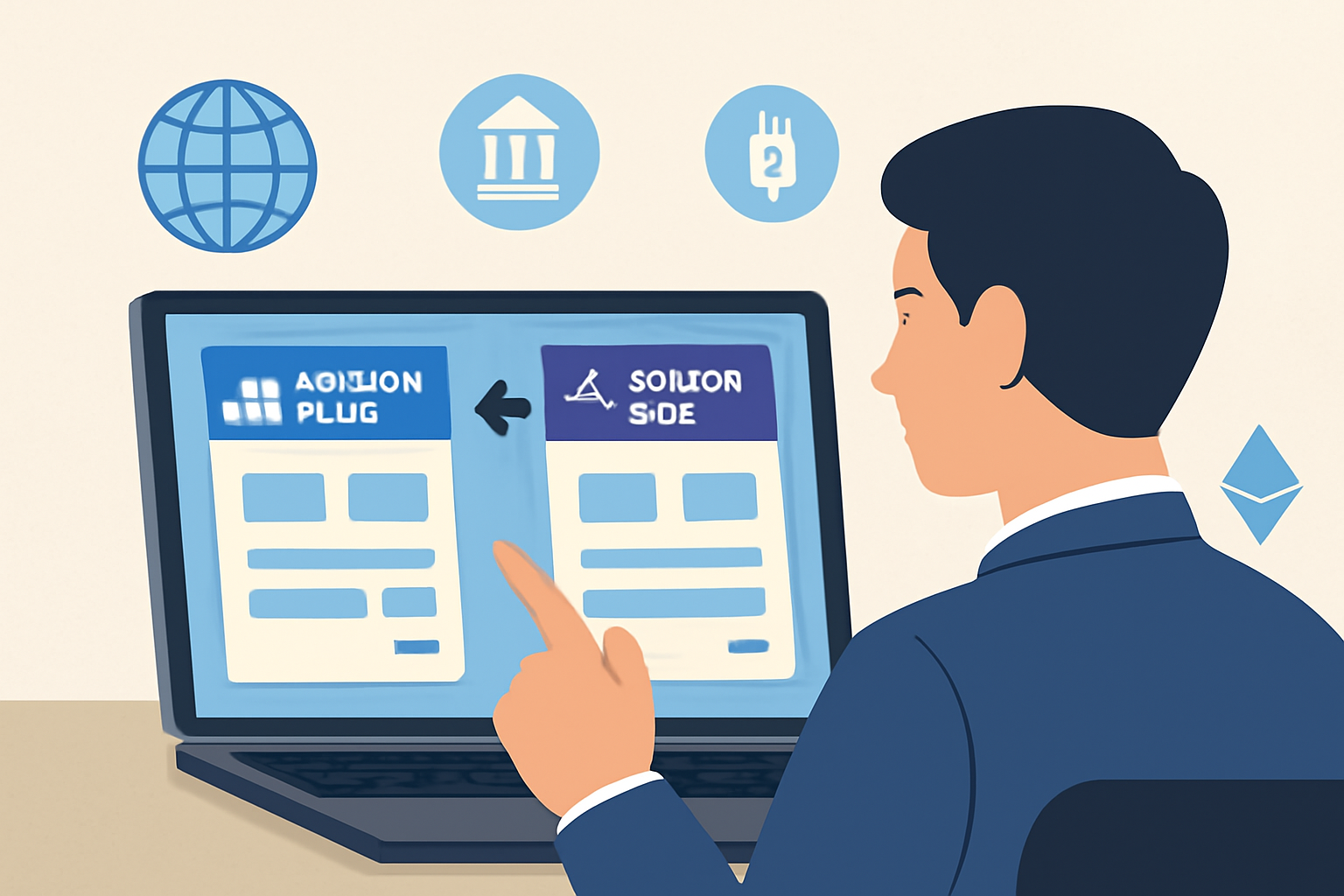
The first, and arguably most critical, step is to assess and select a reputable crypto bank offering business accounts. The market now features established players like BankProv in the US, Bankera in the EU/EEA and UK, and Cashaa serving multiple jurisdictions. Each institution varies in its regulatory framework, supported currencies (fiat and crypto), service tiers, and integration capabilities.
When evaluating your options, consider:
- Licensing and Jurisdiction: Is the bank regulated in your operating region?
- Business Account Features: Does it support multi-currency transactions? Can you access both fiat rails (SWIFT/SEPA) and blockchain networks?
- User Experience: Are onboarding processes transparent? Is customer support responsive?
- Fee Structure: Are there hidden costs for deposits/withdrawals or monthly maintenance?
Avoid banks with vague compliance policies or inconsistent service reviews. The right choice here sets the tone for your entire banking relationship, and can be pivotal when regulators scrutinize your operations.
Document Preparation: Laying Your Regulatory Foundation
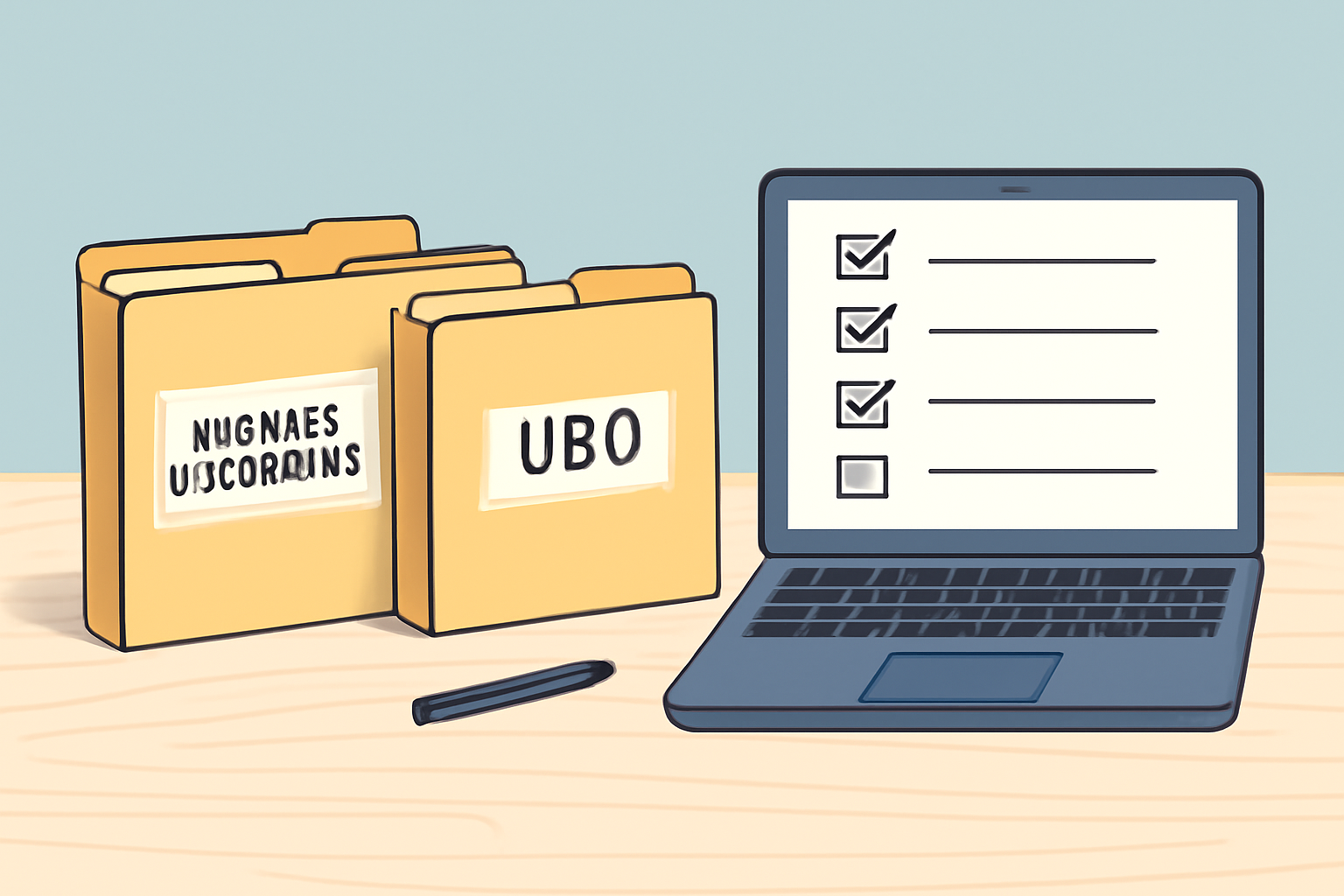
The next step is to prepare and gather all required business documentation. Crypto banks are held to strict compliance standards due to anti-money laundering (AML) and counter-terrorism financing (CTF) rules. Expect to provide detailed paperwork that may include:
- Incorporation Papers: Proof your company exists legally
- Proof of Address: Recent utility bill or lease agreement for your registered office
- Ultimate Beneficial Owner (UBO) Details: Full disclosure of individuals owning or controlling the company
- ID Documents: Passports or government-issued IDs for directors and shareholders
- TIN/EIN: Tax identification numbers as required by jurisdiction
This stage can feel daunting but being proactive pays off. Organize these documents digitally, many banks now require uploads via secure portals, and ensure they’re up-to-date. Delays at this stage typically stem from incomplete paperwork or missing signatures.
Navigating KYC/AML Verification for Businesses
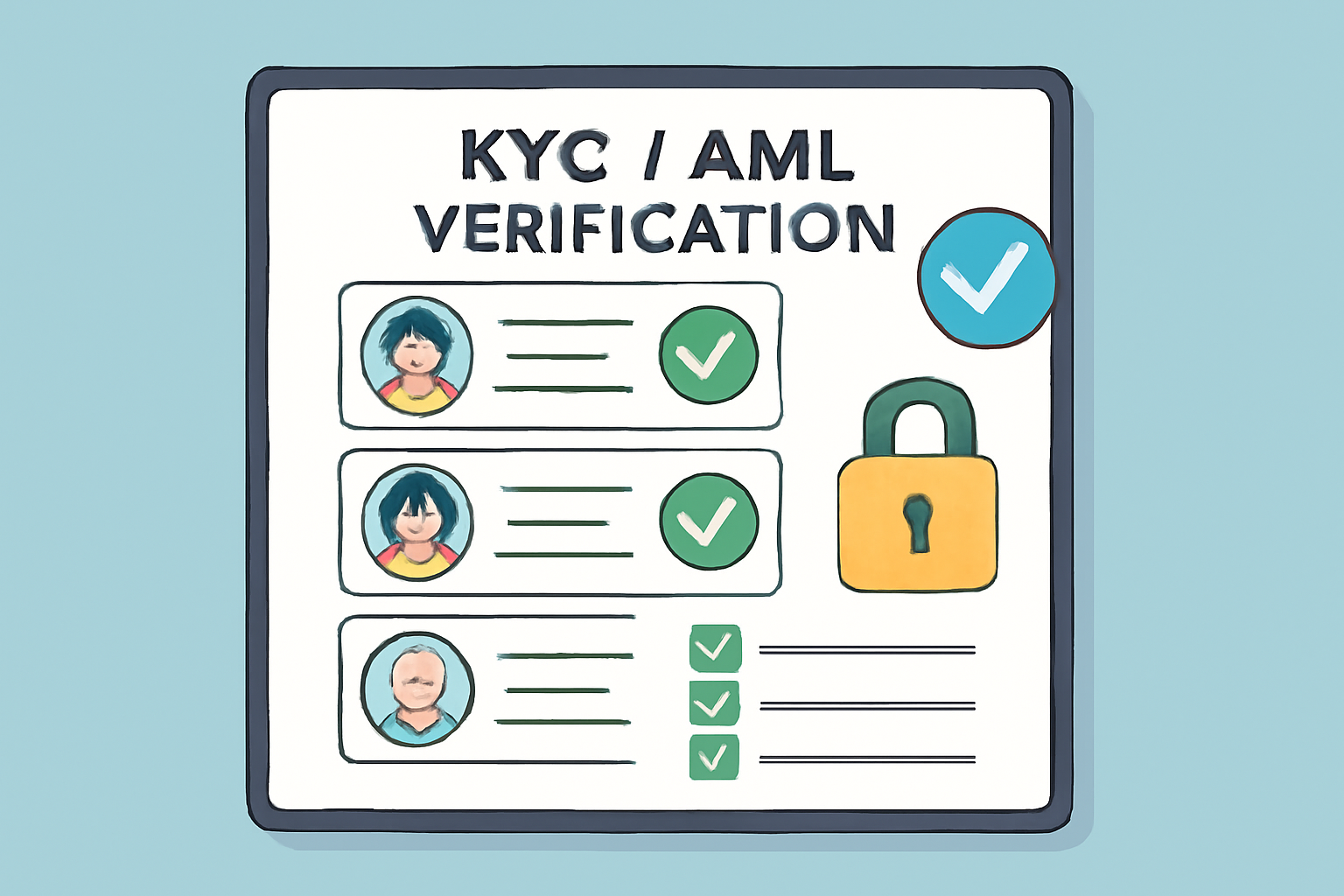
No modern crypto bank will skip due diligence. You must complete the crypto bank’s business KYC/AML verification process. Unlike retail onboarding, which might only require an ID selfie, business verification involves deeper scrutiny into company structure, source of funds, intended transaction volumes, and ongoing monitoring agreements.
Banks may request interviews with directors or request additional clarifications about your business model, especially if you operate an exchange platform or facilitate high-risk transactions. Prepare concise explanations about how you acquire clients, manage risk, and prevent illicit activity within your workflows.
Step-by-Step Guide: Opening a Crypto Business Bank Account in 2024
The Application Submission and Compliance Review Phase
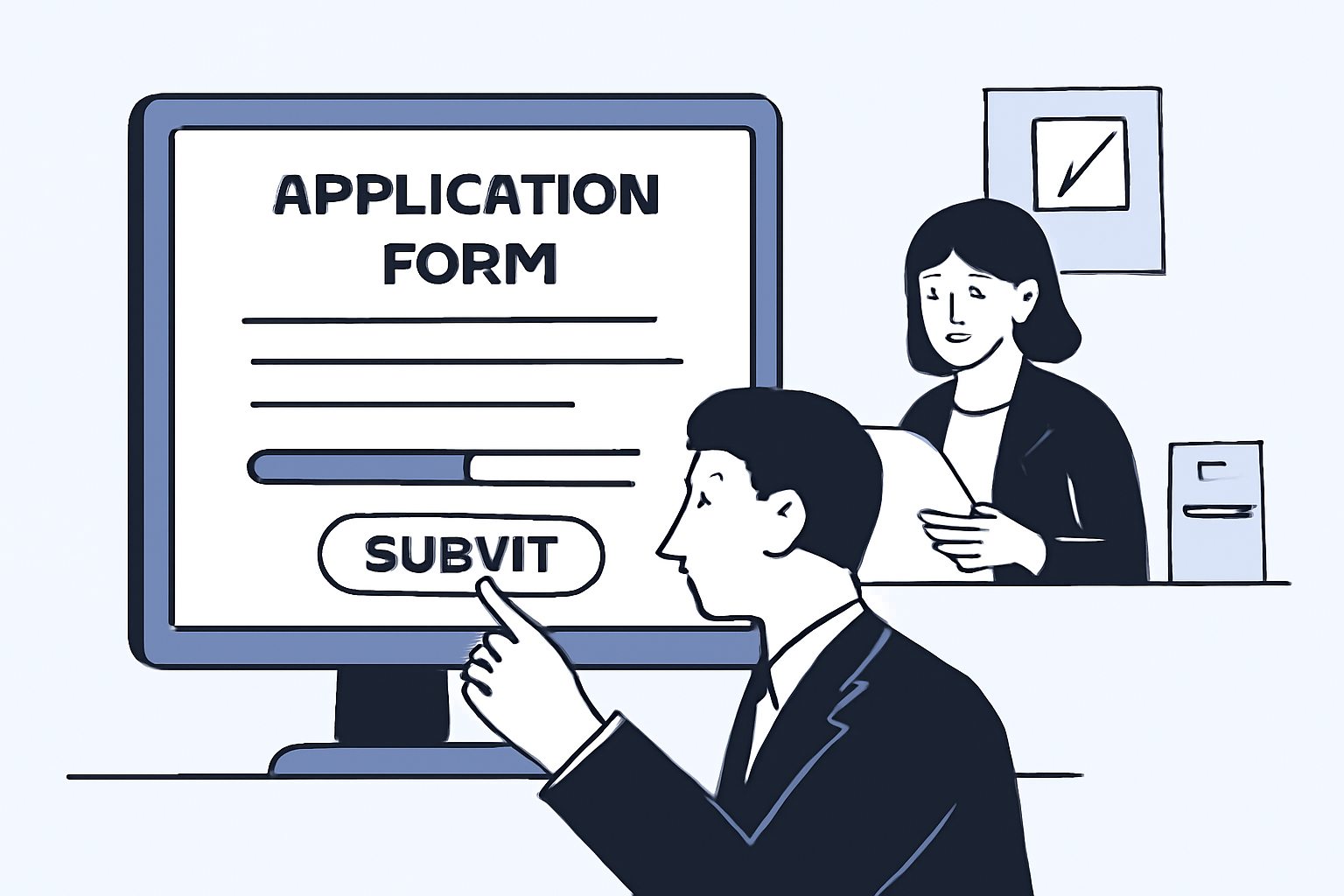
The formal application begins once documentation is uploaded and initial KYC/AML checks are underway. At this point you’ll need to submit your application and await compliance review. This phase can range from several days to weeks depending on the complexity of your structure and responsiveness during follow-up requests.
Banks will often conduct their own background checks on directors/shareholders via third-party databases. Be transparent about previous banking relationships (especially if any were closed by other institutions). If all goes well, and your documentation stands up to scrutiny, you’ll receive preliminary approval along with instructions for activating your new account.
Securing Your Business Account: Multi-User Access and Security Controls
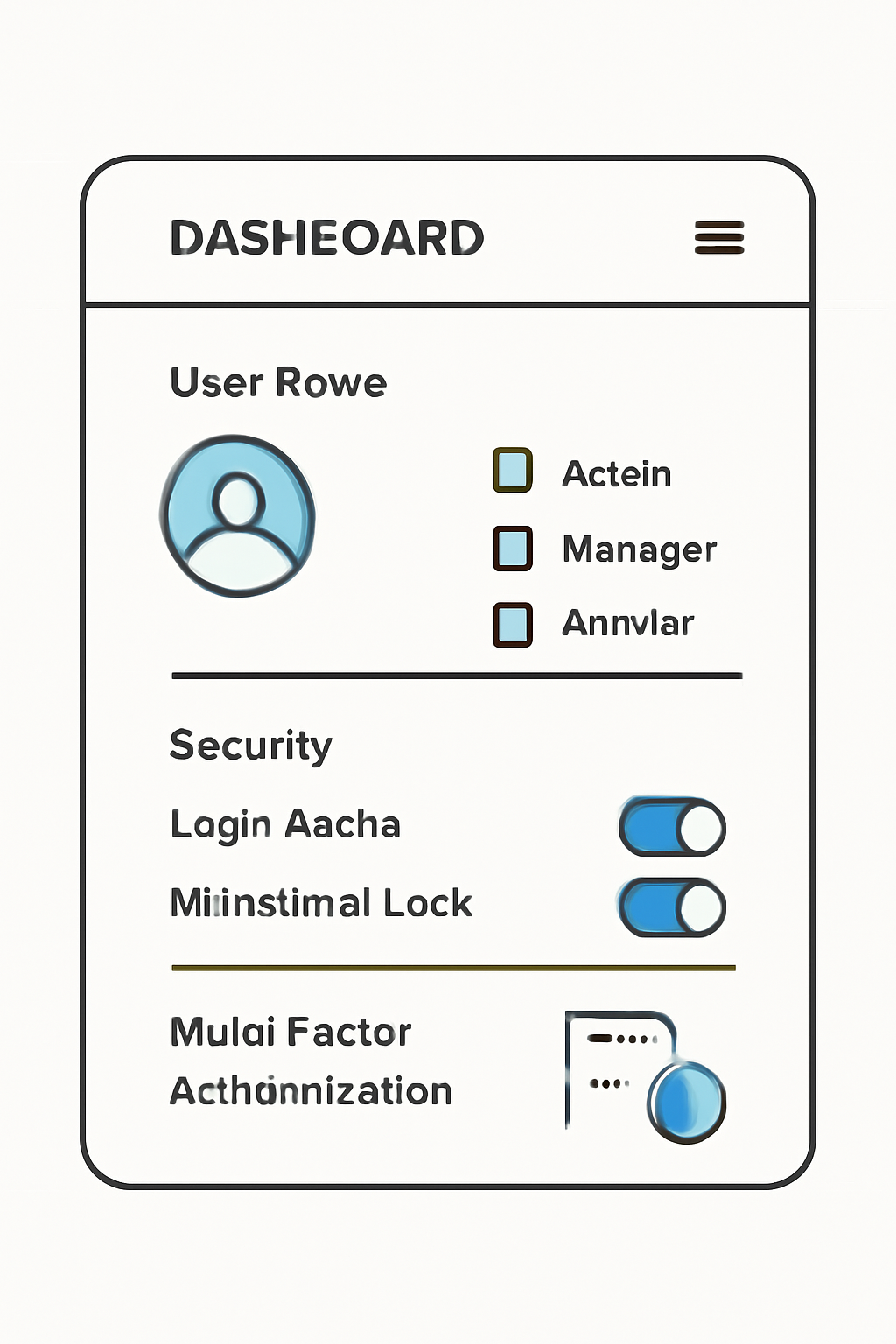
Once your application is approved, the next critical step is to set up multi-user access controls and robust security features for your account. Crypto banks designed for business use now offer advanced permission systems, letting you define roles for finance leads, compliance officers, and operational staff. Take advantage of these tools:
- Role-Based Access: Assign permissions based on job function. Limit high-risk actions like withdrawals to senior staff.
- Multi-Factor Authentication (MFA): Require MFA for all users, this is non-negotiable in the current threat landscape.
- Activity Monitoring: Set up real-time alerts for unusual transactions or login attempts.
- Audit Trails: Ensure every action on the account is logged and reviewable in case of disputes or audits.
This phase is not just about compliance, it’s about protecting your company’s assets and reputation. A single compromised credential could result in significant financial loss or regulatory penalties. Prioritize security from day one, and revisit access rights regularly as your team grows or changes roles.
Funding Your Account and Integrating With Payment Platforms
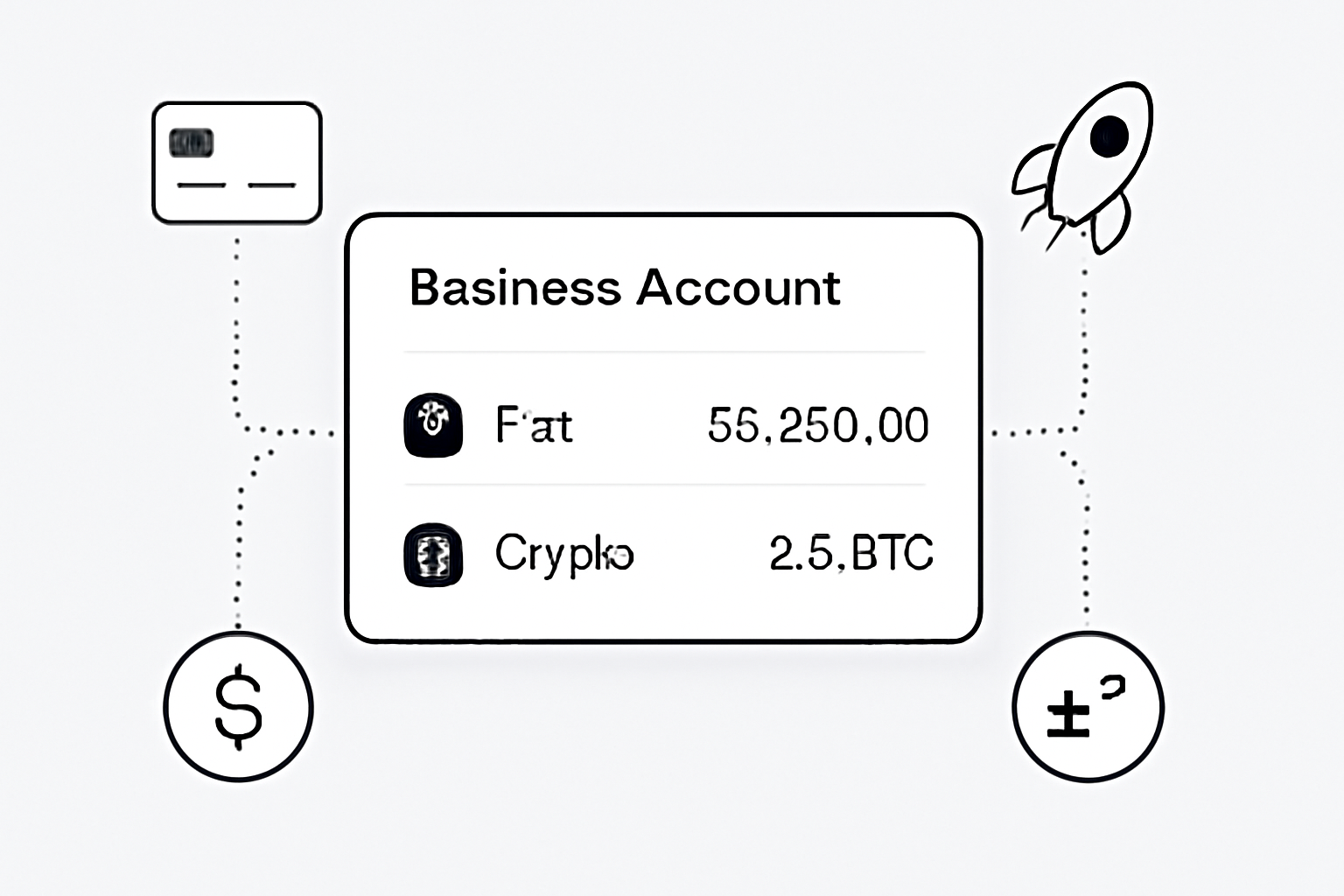
Your account is live, now it’s time to fund your account and integrate with preferred payment or trading platforms. Most crypto banks support both fiat deposits (via SWIFT/SEPA) and direct crypto transfers. Carefully review deposit instructions; minor errors in wallet addresses can result in irretrievable funds loss.
Integration options are a major differentiator between crypto banks. Leading platforms provide APIs or built-in modules for connecting with accounting software, payroll systems, exchanges, and merchant gateways. This allows businesses to automate reconciliation, streamline vendor payments, or accept customer crypto payments directly into their business accounts.
Comparison of Top Crypto-Friendly Business Banks (2024)
| Bank Name | Jurisdiction(s) | Fiat & Crypto Support | Multi-Currency IBAN | Integration Capabilities | Compliance (KYC/AML) | Multi-User Access |
|---|---|---|---|---|---|---|
| BankProv | USA | Yes (USD, Crypto) | No | API, QuickBooks, Payment Gateways | Robust (Full KYC/AML) | Yes |
| Bankera | EU/EEA, UK | Yes (EUR, GBP, Crypto) | Yes | API, SEPA/SWIFT, Crypto Wallets | Comprehensive (KYC/AML) | Yes |
| Cashaa | UK, USA, EEA | Yes (Multiple Fiat, Crypto) | Yes | API, Exchange Integrations, Payment Processors | Strict (KYC/AML) | Yes |
| Tap | Global | Yes (Fiat, Crypto) | Yes | API, Instant Payments, Crypto Trading | Advanced (KYC/AML) | Yes |
| JetonBank | Global | Yes (Fiat, Crypto) | Yes | API, Payment Gateways | Standard (KYC/AML) | Yes |
If you plan to actively trade digital assets or manage multiple currencies, look for banks offering instant conversion tools, multi-currency IBANs, and transparent fee structures. The goal is frictionless movement between fiat and crypto balances while maintaining full compliance with reporting obligations.
What Comes Next? Ongoing Compliance and Best Practices
Opening a business account with a crypto bank is only the beginning. Ongoing compliance obligations require you to maintain updated documentation, monitor transaction patterns for suspicious activity, and respond promptly to bank inquiries. Many institutions conduct periodic reviews, expect annual KYC refreshes and occasional requests for updated financials or UBO confirmations.
The best-run companies treat their banking relationship as a strategic partnership rather than a commodity service. Stay engaged with your bank’s compliance team. Proactively communicate about new products, expansion plans, or changes in ownership structure that might trigger additional reviews. This not only reduces friction but also builds trust, a valuable asset if you ever face regulatory scrutiny or need bespoke banking solutions down the line.
Your Crypto Banking Checklist
Summary Table: Key Steps at a Glance
| Step | Action Required |
|---|---|
| 1 | Assess and Select a Reputable Crypto Bank Offering Business Accounts |
| 2 | Prepare and Gather Required Business Documentation (e. g. , incorporation papers, proof of address, UBO details) |
| 3 | Complete the Crypto Bank’s Business KYC/AML Verification Process |
| 4 | Submit Your Application and Await Compliance Review |
| 5 | Set Up Multi-User Access Controls and Security Features for Your Account |
| 6 | Fund Your Account and Integrate with Preferred Payment or Trading Platforms |
The process may seem rigorous, and it should be, but these steps are designed to protect both your company’s interests and the integrity of the broader digital asset ecosystem. For more nuanced insights on each phase of this journey, including common pitfalls to avoid, explore our comprehensive guide at How to Open a Business Account with a Crypto Bank: Step-by-Step Guide for 2024.





No comments yet. Be the first to share your thoughts!