
Opening a business account with a crypto bank in 2024 is quickly becoming a must for companies that want to transact globally, manage digital assets, and stay ahead in the evolving world of finance. Whether you’re a startup launching your first token or an established enterprise expanding into blockchain, understanding the onboarding process can make all the difference between smooth operations and frustrating delays.

Why Crypto-Friendly Business Banking Matters in 2024
The landscape for digital asset business banking has shifted dramatically. Today’s top crypto-friendly banks offer more than just basic accounts, they deliver integrated multi-currency solutions, instant settlement for both fiat and cryptocurrencies, and robust compliance tools tailored to the unique needs of Web3 businesses. According to recent industry reviews, leading platforms like Tap and Slash provide seamless access to trading, holding, and even FINRA-approved exchange services for business clients.
This new breed of banking partner is essential not only for day-to-day transactions but also for building trust with partners and customers. With regulatory scrutiny on the rise worldwide, working with a compliant crypto bank means fewer headaches down the road, especially when it comes to audits or scaling internationally.
Step 1: Choose the Right Crypto-Friendly Bank
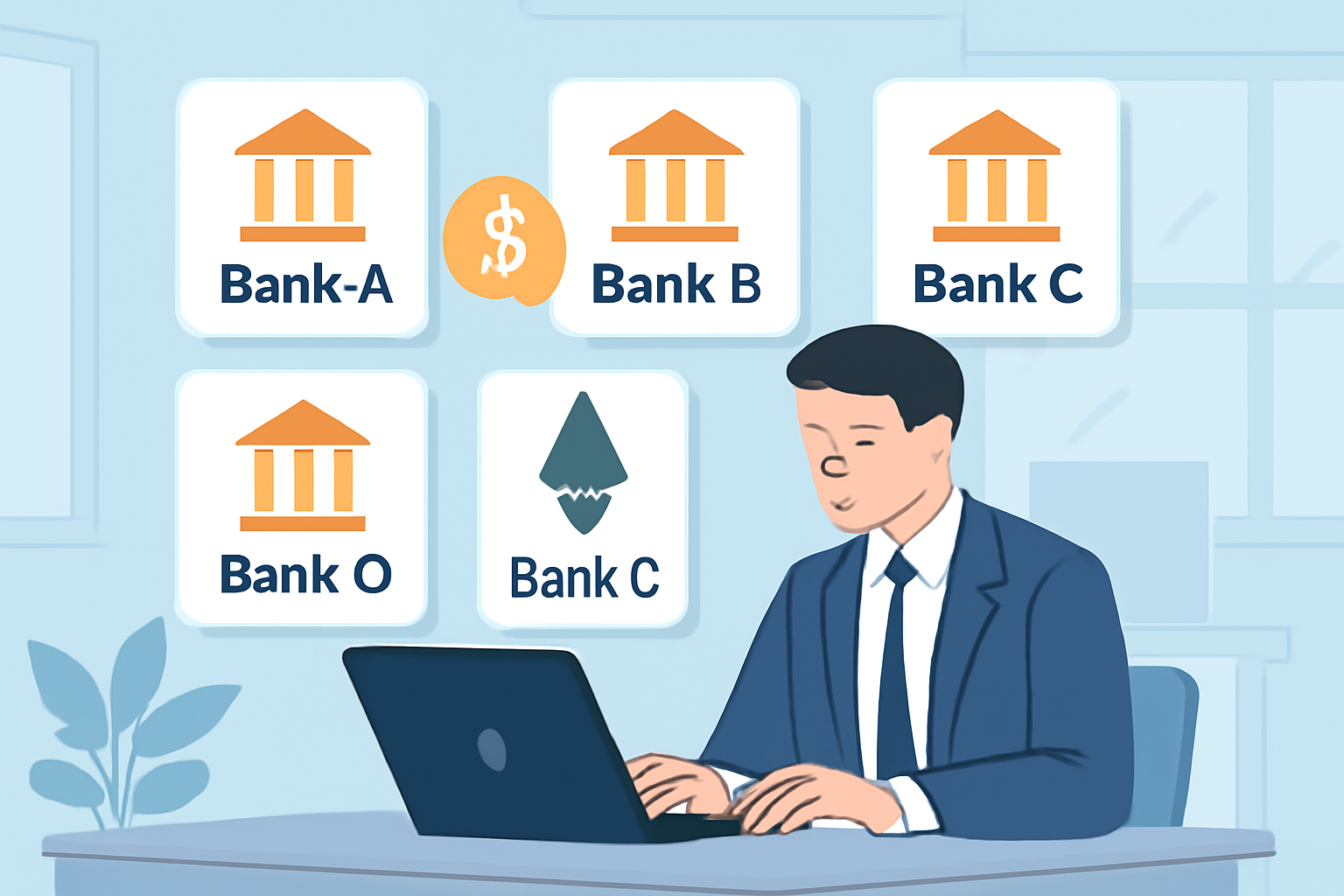
Your first move is selecting a bank that aligns with your business goals and operational needs. Not all banks are created equal: some focus on startups and SMEs while others cater to large enterprises or specific verticals like DeFi or gaming. Key factors to consider include:
- Supported currencies: Does the bank handle both fiat (USD, EUR) and major cryptocurrencies?
- Compliance standards: Are they transparent about their AML/KYC requirements?
- Fee structure: Look out for hidden costs on deposits, withdrawals, or conversions.
- API integrations: Can you connect your account directly to your ERP or payment systems?
The best way to compare options is by reading up-to-date guides from trusted sources like Fit Small Business or B2BinPay. For a more detailed walkthrough of this selection process, check out our comprehensive guide here.
Step 2: Gather Your Documentation
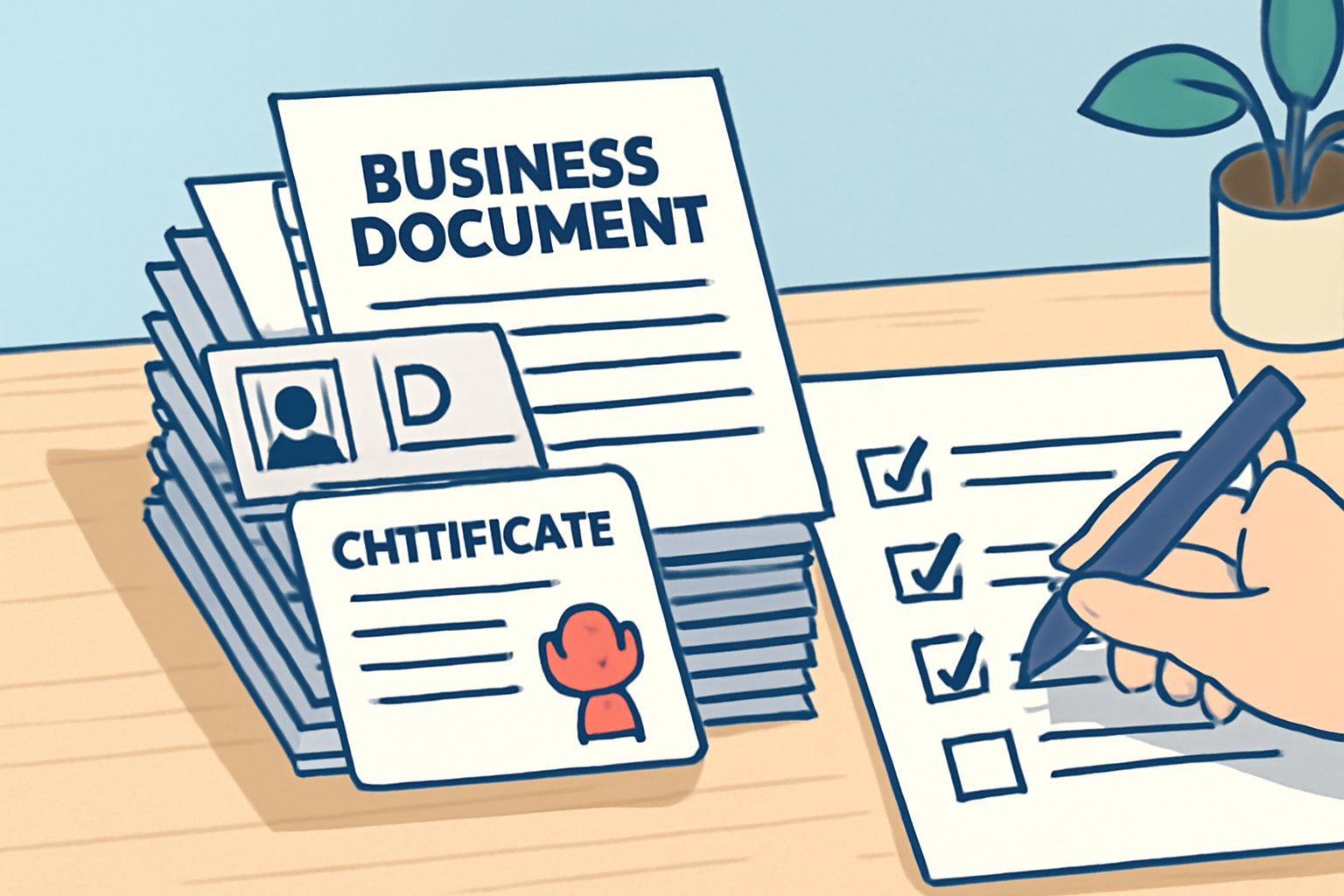
This step trips up many first-time applicants. Crypto banks are subject to strict regulations, often stricter than traditional banks, so expect thorough due diligence. You’ll typically need:
- Articles of Incorporation, Partnership Agreement, or similar foundational documents
- Employer Identification Number (EIN), tax ID, or local equivalent
- ID verification: Passports or government-issued IDs for all beneficial owners/shareholders
- Business license
- Proof of address: Utility bill or lease agreement in your company’s name
If you’re operating across multiple jurisdictions or have complex ownership structures (such as DAOs), be prepared for additional requests. Double-check that all documents are current and match your registration details exactly, inconsistencies here are one of the main reasons applications get delayed.
Navigating Compliance: AML and KYC Policies Explained
Banks want assurance that your operation isn’t just compliant today but will remain so as regulations evolve. That’s why most will ask you to submit detailed Anti-Money Laundering (AML) and Know Your Customer (KYC) policies as part of onboarding. Even if you’re using third-party providers for identity checks or transaction monitoring, document these workflows clearly.
If you don’t already have written compliance procedures in place, now’s the time to develop them, not just for banking purposes but also as a foundation for future fundraising rounds or partnerships.
How to Open a Crypto Business Bank Account: Step-by-Step Visual Guide (2024)





Once you’ve assembled your documents and compliance policies, you’re ready for the crucial phase: applying and onboarding. This is where clarity, transparency, and responsiveness make all the difference. Crypto banks are known for their enhanced scrutiny, but they also reward well-prepared businesses with faster approvals and access to premium features.
Step 3: Submit Your Application
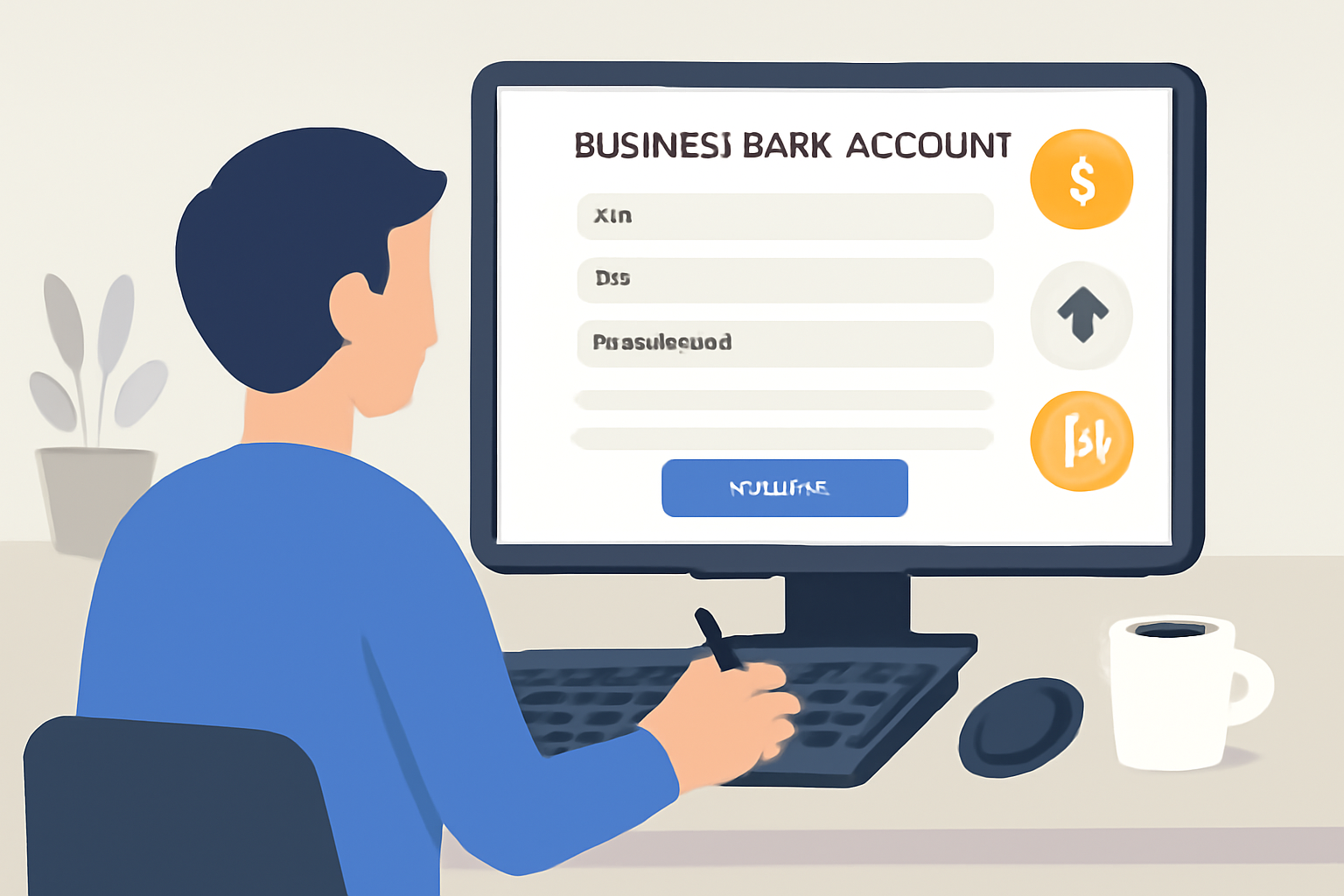
Most crypto-friendly banks offer streamlined digital onboarding portals, though some still require in-person verification or video calls. Expect to fill out detailed forms about your business model, revenue sources, expected transaction volumes, and ownership structure. Be honest and thorough, omissions or vague answers can trigger delays or outright rejections.
After submission, your application enters a due diligence review. The bank’s compliance team will verify your information, check for potential red flags (like sanctioned jurisdictions or high-risk activities), and may request additional details about your operations.
Step 4: Due Diligence and Final Approval
This stage can take anywhere from a few days to several weeks depending on your business complexity and the bank’s internal processes. During this period:
- Respond promptly to any follow-up requests for clarification or extra documentation.
- Be prepared for background checks on directors and major shareholders.
- If you’re using third-party vendors for compliance (like AML screening), have those contracts ready to share.
A proactive approach here signals professionalism, and can help move things along considerably faster.
Step 5: Account Activation and Integration
Once approved, you'll receive account details, often including multi-currency IBANs, crypto wallet addresses, and API keys for integration. Many top-tier crypto banks let you immediately deposit both fiat and cryptocurrencies, so you can start transacting without delay. Take advantage of their dashboard features: set up user permissions for team members, automate recurring payments in crypto or fiat, and explore instant settlement options if available.
If your business relies on automated invoicing or payment flows, integrating with the bank’s API is a game-changer. This reduces manual errors and streamlines everything from payroll to vendor payments.
Staying Compliant After Onboarding
Your relationship with a crypto bank doesn’t end at approval, it’s an ongoing partnership that requires regular compliance updates. Regulations shift quickly in the digital asset space; periodic reviews of your AML/KYC policies are essential. Notify your bank promptly if there are significant changes to your business model or ownership structure; this helps avoid disruptions in service or even sudden account closures.
Many banks now provide compliance dashboards so you can track outstanding tasks or submit new documentation as needed. Use these tools proactively to keep your account in good standing year-round.
Tips for Smoother Crypto Bank Onboarding in 2024
- Start early: Begin gathering documents before applying, especially if operating across borders.
- Stay transparent: Disclose all beneficial owners up front, even those holding small percentages via trusts or DAOs.
- Centralize compliance: Assign one team member as the point of contact for all banking communications.
- Use up-to-date templates: Outdated forms slow down reviews; always download the latest versions from the bank’s website.
If you hit roadblocks during onboarding, or want more detail on any step, our full resource library covers every aspect of how to open a business account with a crypto bank, including troubleshooting common issues unique to digital asset businesses.
Your Crypto Banking Journey Starts Here
The right crypto-friendly business account unlocks global payments, enhances operational efficiency, and builds trust with partners, all while keeping you ahead of regulatory changes. With careful preparation and an understanding of each onboarding phase, any legitimate Web3 venture can access modern financial rails built for the future of commerce. Welcome to finance for everyone, everywhere!





No comments yet. Be the first to share your thoughts!