

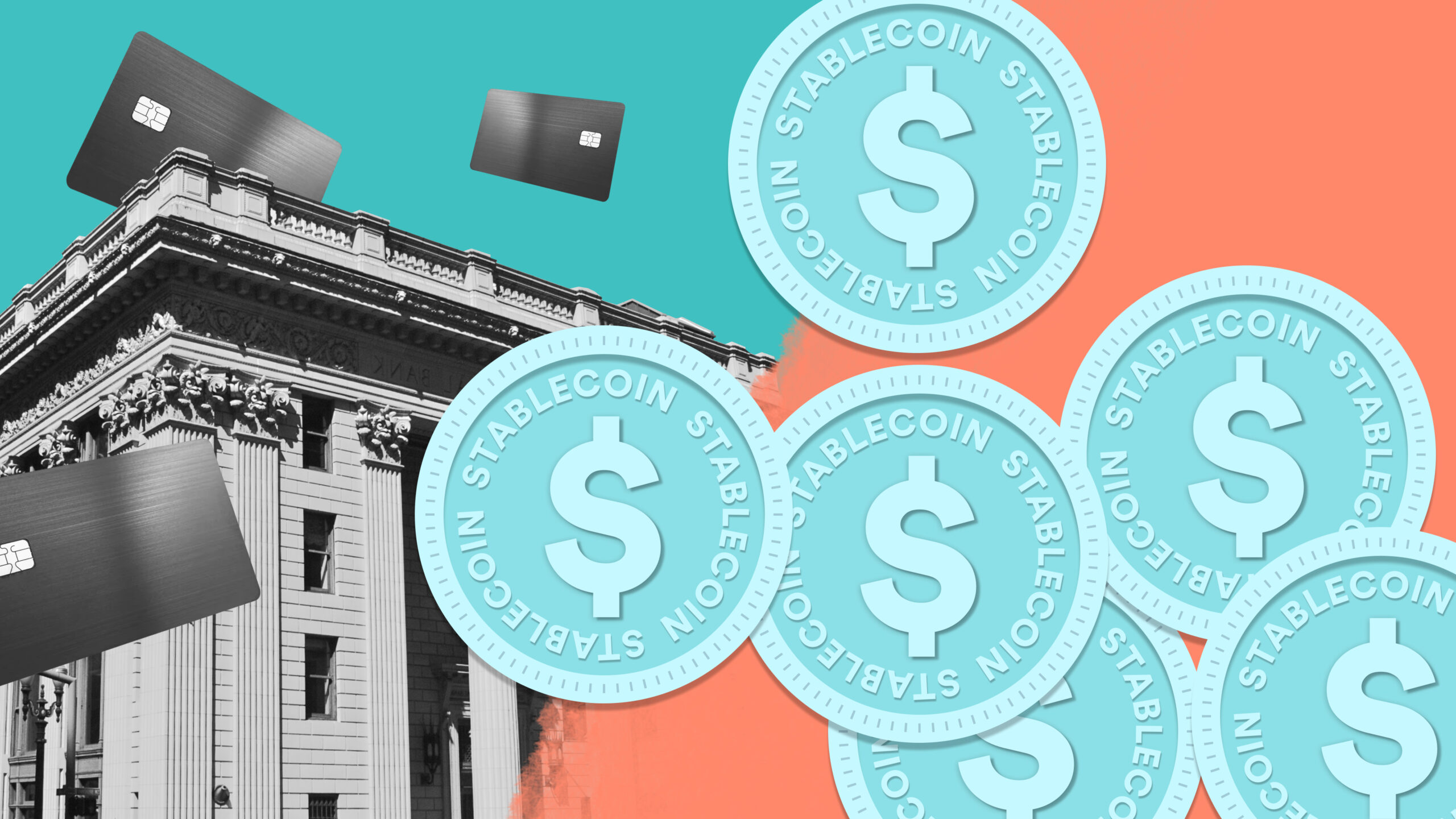
Stablecoins have evolved from niche crypto tools to critical infrastructure for modern finance. Now, regulated stablecoins issued by traditional banks are rapidly gaining traction, promising to bridge the gap between legacy banking and the programmable world of digital assets. This is not just about catching up with fintechs - it’s a calculated move to redefine how money moves, settles, and unlocks new forms of value in a hyper-connected economy.

Why Are Banks Issuing Stablecoins?
The logic is pragmatic: regulated stablecoins offer banks the ability to compete with nimble fintechs and crypto-native firms by enabling real-time settlements, programmable payments, and seamless cross-border transactions. These aren’t speculative tokens - they’re digital representations of fiat money, backed 1: 1 by cash or short-term government securities. The result is a form of programmable money that maintains familiar trust while unlocking new efficiencies.
Recent moves underscore this trend. In June 2025, Société Générale’s SG-FORGE launched “USD CoinVertible, ” a dollar-backed stablecoin running on Ethereum and Solana, with BNY Mellon as reserve custodian (Reuters). Citigroup’s CEO Jane Fraser revealed plans for their own stablecoin in July 2025 (Reuters). Deutsche Bank’s asset management arm DWS is pushing out the first German-regulated euro stablecoin (Reuters). This isn’t hype - it’s strategic adaptation.
Key Reasons Banks Are Issuing Regulated Stablecoins
- Modernizing Payment Systems: Banks are leveraging stablecoins to enable real-time settlements and instant cross-border payments, addressing inefficiencies in legacy financial infrastructure.

- Competing with Fintechs and Crypto Firms: By launching their own stablecoins, traditional banks can compete directly with fintech companies and established crypto-native stablecoins, retaining market share in digital payments.

- Regulatory Clarity and Compliance: New frameworks like the GENIUS Act in the US and MiCAR in the EU provide banks with clear compliance paths, reducing legal uncertainty and enabling secure, regulated stablecoin issuance.

- Enhanced Transparency and Trust: Bank-issued stablecoins are backed by fully disclosed, 1:1 liquid reserves held with reputable custodians, fostering greater trust compared to some non-bank issuers.

- Programmable Finance and Innovation: Stablecoins allow banks to offer programmable transactions and new digital asset services, such as tokenized deposits and automated financial products.
- Meeting Growing Customer Demand: As demand for digital financial services rises, banks are using stablecoins to address client needs for secure, efficient, and modern payment options.

The Regulatory Shift: GENIUS Act and MiCAR
For years, the US lacked a coherent regulatory framework for stablecoins. That changed in July 2025 with the passage of the GENIUS Act. This landmark law requires payment stablecoin issuers to hold 100% liquid asset reserves (think cash or US Treasury bills), undergo regular audits, and disclose reserve compositions. The aim is clear: eliminate systemic risk and prevent another Terra-style collapse while giving banks clarity to innovate safely (Odaily News).
The European Union has also stepped up with MiCAR (Markets in Crypto-Assets Regulation), effective since mid-2024. MiCAR gives traditional banks an explicit compliance path for issuing euro-denominated stablecoins under strict prudential rules. As regulatory fog lifts on both sides of the Atlantic, expect more global banking giants to join the fray.
Programmable Money Meets Institutional Trust
Banks aren’t just replicating existing crypto projects; they’re leveraging their trusted status to deliver regulated stablecoins that can be used for everything from instant payroll disbursements to automated supply chain payments. Unlike central bank digital currencies (CBDCs), these assets are not legal tender but function as tokenised bank deposits - digital IOUs with robust backing and oversight.
This convergence brings several advantages:
- Real-time settlement: Funds move instantly across borders without intermediaries or cut-off hours.
- Programmability: Payments can be automated via smart contracts - think escrow releases or royalty splits.
- Simplified compliance: Regulated issuance makes it easier for institutions to adopt digital assets without regulatory guesswork.
- Mainstream adoption: Corporates can tap into blockchain rails without onboarding at crypto-native exchanges.
This shift isn’t risk-free. The Bank for International Settlements points out that legal structures and governance arrangements will determine how well these products weather market stress or operational failures. But make no mistake: banks are moving fast because programmable money is now table stakes in global finance.
One of the most compelling aspects of regulated stablecoins banks is their potential to overhaul legacy payment infrastructure. For decades, cross-border settlements have been plagued by slow processing, high fees, and limited transparency. By issuing their own digital money, banks can offer near-instant transfers, 24/7 availability, and programmable features that legacy rails simply can’t match. This is not theoretical, pilot programs are already running with real clients and real assets.
Tokenised bank deposits are also gaining traction as a parallel innovation. Unlike conventional stablecoins issued by fintechs or crypto startups, these are digital representations of customer deposits held at regulated institutions. They combine the programmability of blockchain with the safety net of traditional banking oversight. The result: businesses can automate payroll, manage treasury operations in real time, and streamline global supply chains with unprecedented efficiency.
Risks and Governance: What Could Go Wrong?
No financial innovation comes without risk. While robust regulation reduces the likelihood of another algorithmic-stablecoin collapse, several challenges remain:
- Operational risk: Smart contract bugs or cyberattacks could disrupt settlement processes.
- Legal ambiguity: Disputes over token ownership or redemption rights may arise in cross-jurisdictional settings.
- Market concentration: If a handful of large banks dominate stablecoin issuance, systemic risks could shift rather than disappear.
- Interoperability: As more banks issue their own tokens on different blockchains (Ethereum, Solana, private ledgers), seamless integration becomes critical for widespread adoption.
The GENIUS Act and MiCAR address some, though not all, of these issues by mandating transparency and robust reserve management. Still, as industry analysis points out, governance frameworks will need to evolve alongside technology to keep pace with emerging threats and new use cases.
What’s Next for Stablecoin Regulation Banks?
The genie is out of the bottle: Banks issuing stablecoins are set to become a fixture in global finance. Expect competition to intensify as more institutions launch euro-, dollar-, and even multi-currency stablecoins tailored for retail and institutional clients alike. Regulatory clarity will drive mainstream adoption, but also raise the bar for compliance and operational resilience.
This isn’t just about digital dollars or euros, it’s about programmable money banks can trust to power everything from automated trade finance to on-chain capital markets. The winners will be those who combine technical agility with deep regulatory expertise, and who understand that trust remains the ultimate currency in both old money and new.





No comments yet. Be the first to share your thoughts!