What defines a crypto bank in 2026
The term "crypto bank" has shifted from marketing hype to a specific regulatory classification. In 2026, a true hybrid crypto bank is not a fintech app with a crypto widget; it is a regulated financial institution holding specific digital asset licenses, such as the NYDFS BitLicense or a state trust charter. These institutions integrate custody, staking, and fiat rails under one compliant umbrella, offering the security of traditional banking with the functionality of blockchain infrastructure.
Traditional banks offering crypto exposure typically act as intermediaries, allowing customers to buy and sell assets through third-party partners without holding the underlying keys or managing the staking rewards directly. In contrast, hybrid models provide direct custody solutions. This distinction is critical for high-stakes investors who require proof of reserves and direct control over their digital assets. The emergence of stablecoins into broader use cases, as noted by Deutsche Bank’s 2026 outlook, has further accelerated this shift, demanding institutions that can handle both volatile assets and stablecoin settlements within the same compliance framework.
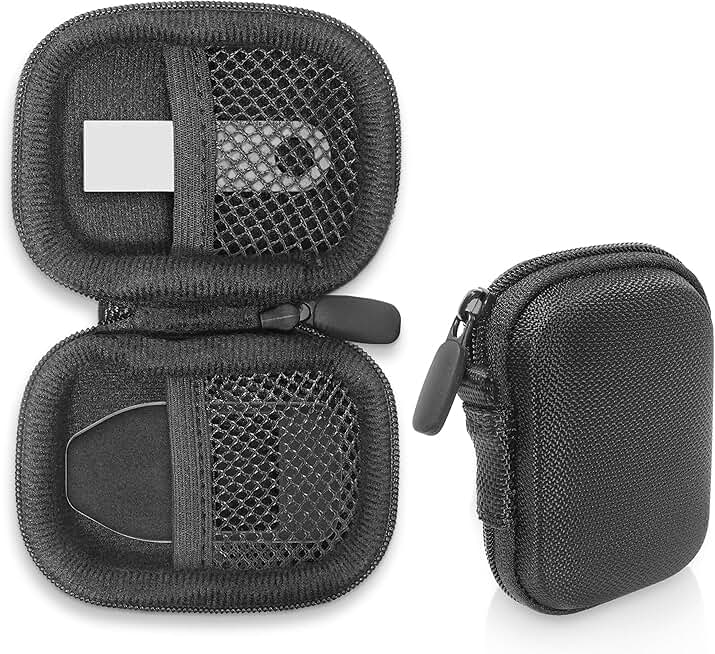
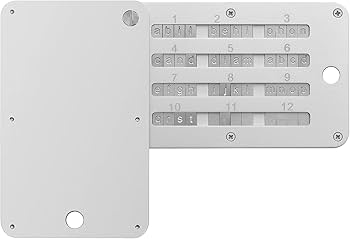
Security remains the primary differentiator. While traditional banks rely on FDIC insurance for fiat deposits, crypto banks must demonstrate robust cold storage practices and multi-signature custody solutions. For investors managing significant positions, pairing a hybrid crypto bank with a dedicated hardware wallet is a standard security practice. These physical devices keep private keys offline, providing an additional layer of protection against digital breaches.

As an Amazon Associate, we may earn from qualifying purchases.
The regulatory landscape continues to evolve, with bodies like the OCC exploring national trust bank charters for crypto fintechs. However, the core definition remains: if the institution does not hold the license and manage the custody directly, it is not a crypto bank—it is a gateway. Understanding this distinction ensures that investors are not just buying exposure, but securing their assets within a regulated, resilient financial structure.
Hybrid crypto bank accounts for 2026
The landscape of hybrid banking has shifted from experimental pilot programs to regulated financial infrastructure. In 2026, the leading institutions no longer treat cryptocurrency as an afterthought but integrate it into core account structures with institutional-grade custody and clear regulatory oversight. These accounts allow users to hold, transfer, and stake digital assets alongside traditional fiat currency, bridging the gap between Web2 banking reliability and Web3 asset utility.
The primary differentiator among top-tier providers is now custody architecture. Leading hybrid banks utilize segregated custody solutions, often partnering with regulated custodians like Coinbase Prime or Fireblocks, ensuring that customer assets are protected even in the event of institutional insolvency. This separation is critical for high-stakes asset management, as it prevents the commingling of user funds with the bank’s operational balance sheet.
Yield generation has also matured beyond simple savings accounts. Top providers now offer on-chain staking yields for assets like Ethereum (ETH) and Solana (SOL), with returns distributed directly to the user’s banking dashboard. These yields are typically sourced from verified validator nodes, offering transparency that traditional bond yields cannot match. However, these returns come with smart contract and network risk, which reputable banks mitigate through insurance protocols and multi-signature approval workflows.
Regulatory compliance remains the cornerstone of trust. The best hybrid accounts operate under strict Know Your Customer (KYC) and Anti-Money Laundering (AML) frameworks, ensuring that all transactions are traceable and compliant with local financial authorities. This compliance layer is what distinguishes legitimate hybrid banks from unregulated offshore entities, providing users with legal recourse and consumer protection.
Comparison of top hybrid features
The table below outlines the core differences between the leading hybrid banking products available in 2026, focusing on custody type, supported assets, and fee structures.
| Institution | Custody Type | Supported Assets | Fee Structure |
|---|---|---|---|
| Revolut | Segregated (Partner Custodian) | BTC, ETH, USDC, SOL | Standard account fees; staking yields vary |
| Coinbase Prime | Institutional Grade (Self-Custody) | 50+ Cryptocurrencies | Volume-based trading and custody fees |
| Kraken Bank | Segregated (Internal Custody) | BTC, ETH, XRP, USDT | Low trading fees; free custody for most assets |
Security complements
While hybrid banks provide robust digital custody, maintaining control over your private keys remains the gold standard for long-term storage. For assets not actively staked or used in daily transactions, hardware wallets offer an offline defense against digital threats. The following devices are recommended for securing your crypto holdings alongside your hybrid bank account.


As an Amazon Associate, we may earn from qualifying purchases.
How to choose a regulated crypto bank
Selecting a crypto bank requires treating regulatory compliance as your primary security layer. In 2026, the landscape remains volatile. On April 18, 2026, hackers stole an estimated $290 million from decentralized finance platforms, exposing the fragility of unregulated lending models [src-serp-2]. To protect your capital, you must verify that your chosen hybrid bank operates under a formal license and maintains strict custody proofs.
Follow this framework to evaluate safety before opening an account.
Confirm the institution holds a valid charter from a recognized authority like the OCC or CFTC. These regulators are currently laying a friendly foundation for crypto integration [src-serp-6]. A license ensures the bank is subject to federal oversight, audits, and capital reserve requirements that protect depositors.

Determine if your fiat balances are covered by FDIC or SIPC insurance. Most crypto banks segregate customer funds, but coverage limits often apply per account type. Ensure your holdings stay within insured thresholds to mitigate the risk of institutional failure.

Require transparent proof of reserves for your crypto assets. Reputable banks publish real-time attestations showing they hold 1:1 reserves for every digital asset on deposit. Avoid platforms that commingle customer funds with proprietary trading accounts.


As an Amazon Associate, we may earn from qualifying purchases.
Even with a regulated bank, self-custody remains a critical complement. Use a hardware wallet like the Ledger Nano X or Trezor Model T for long-term storage. These devices keep your private keys offline, ensuring that even if a bank is compromised, your core assets remain secure.
Security risks in crypto banking 2026
The landscape for digital asset custody remains volatile. On April 18, 2026, crypto hackers stole an estimated $290 million from major decentralized finance (DeFi) lending platforms, exposing some lenders to potential insolvency and leaving retail investors with zero recourse. These exploits highlight a critical distinction: while DeFi protocols operate on immutable code, they are often vulnerable to smart contract bugs and oracle manipulations that centralized entities can mitigate through insurance and oversight.
Regulatory compliance is the primary shield against these risks. Unlike unregulated crypto exchanges, hybrid banks must adhere to strict capital reserve requirements and anti-money laundering (AML) protocols. This regulatory friction is a feature, not a bug, ensuring that your assets are backed by tangible reserves and subject to federal oversight. The Bank Policy Institute notes that only a fraction of American banks currently serve the digital asset industry, making the choice of a regulated partner essential for security.
To further harden your security posture, consider using a hardware wallet for long-term storage. These devices keep your private keys offline, protecting them from the very exploits that plague online DeFi platforms. The Ledger Nano X and Trezor Model T are widely recognized for their secure element chips and open-source firmware, providing a cold storage solution that complements the custodial security of a hybrid bank account.


As an Amazon Associate, we may earn from qualifying purchases.
Frequently asked questions about crypto banks
What banks are crypto friendly in the UK 2026?
Monzo, Revolut, and Starling remain the most accessible hybrid accounts for UK residents in 2026. These institutions allow direct transfers to FCA-registered exchanges like eToro and Kraken without triggering the aggressive compliance flags that often freeze traditional accounts. Monzo is widely regarded as the top pick for reliability, offering seamless integration between your fiat balance and crypto trading platforms while maintaining strict adherence to UK financial regulations.
Which is the best crypto to invest in in 2026?
Market capitalization and institutional adoption currently favor Ripple (XRP), USDC, Solana (SOL), and Cardano (ADA). XRP continues to dominate cross-border settlement discussions, while USDC provides a stable, regulated alternative to volatile assets. Solana’s high throughput makes it a preferred choice for developers and users seeking speed, whereas Cardano’s peer-reviewed approach appeals to those prioritizing long-term security and compliance. Always verify that your chosen crypto bank supports the specific blockchain networks of these assets before depositing.
How secure are hybrid crypto banks?
Security in hybrid accounts relies on a combination of platform-level safeguards and your personal custody habits. While banks like Revolut and Monzo offer robust encryption and fraud monitoring, they do not always provide cold storage for your digital assets. To mitigate the risk of exchange hacks or platform insolvency, consider pairing your hybrid account with a hardware wallet. For secure, offline storage, the Ledger Nano X and Trezor Model T are industry standards that keep your private keys isolated from internet-connected threats.


As an Amazon Associate, we may earn from qualifying purchases.
No comments yet. Be the first to share your thoughts!