What makes a bank crypto-friendly
In 2026, the definition of a crypto-friendly bank has shifted from loose tolerance to structured integration. The distinction is no longer about whether a bank "allows" crypto, but whether it operates within the regulatory frameworks established by the SEC, FCA, and other global bodies. A truly compliant institution treats digital assets as a standard part of its balance sheet or client offering, rather than a peripheral experiment.
The primary criteria for evaluation remain consistent: robust fiat on-ramps, transparent fee structures, and native staking capabilities. Banks that facilitate seamless movement between USD and crypto without excessive friction are prioritized. Additionally, the ability to earn yield through regulated staking protocols adds significant value for institutional and high-net-worth clients seeking passive income on their digital holdings.
Note: The landscape has moved from de-banking to regulated integration. Institutions now prioritize compliance over speculation, ensuring that crypto services are built on the same risk management standards as traditional banking products.
When selecting a bank, verify that it holds the necessary licenses for the jurisdictions in which it operates. This ensures that your funds are protected under deposit insurance schemes where applicable, and that the bank is subject to regular audits. Fee structures and transaction limits vary significantly based on volume and asset type, so review these details carefully before establishing accounts.
For those managing significant crypto holdings, securing your assets outside of the banking ecosystem is often prudent. While banks provide fiat access, hardware wallets offer the highest level of security for long-term storage.


As an Amazon Associate, we may earn from qualifying purchases.
Top crypto banks for staking yields
Staking transforms idle assets into yield-generating holdings, but the institutions offering these returns vary significantly in regulatory standing and asset support. For investors prioritizing high yields, the choice often comes down to balancing APY potential against the security of a regulated framework. Below are three platforms that currently lead in staking infrastructure, each catering to different risk appetites and asset preferences.
Uphold: Best for Beginner-Friendly Staking
Uphold distinguishes itself by allowing users to stake a wide array of assets directly within its interface. It is frequently cited as a top choice for those new to crypto staking due to its intuitive design and transparent fee structure. The platform supports staking for major coins like Ethereum and Solana, offering competitive rates that fluctuate with network demand. While not a traditional bank, Uphold’s regulatory compliance in multiple jurisdictions provides a layer of security for everyday investors.
Kraken: Best for Institutional-Grade Security
Kraken has built a reputation for robust security protocols and deep liquidity, making it a preferred option for serious investors. The platform offers staking for a diverse range of proof-of-stake networks, including Polkadot, Cardano, and Kusama. Kraken’s approach is methodical; it handles the technical node operations, allowing users to earn rewards without managing infrastructure. Rates are generally stable, reflecting Kraken’s focus on reliability over aggressive, unsustainable yield promotions.
Coinbase: Best for Broad Asset Access
As one of the most widely recognized names in crypto, Coinbase offers staking for a vast selection of tokens, including newer assets as they launch. Its primary advantage is ease of access for users already holding assets on the platform. Coinbase supports staking for Ethereum, Cosmos, and various other protocols, though it takes a larger cut of the rewards compared to some competitors. For users who prioritize convenience and brand recognition, Coinbase remains a solid, if slightly less lucrative, option for passive income.
Staking Yield Comparison
The following table outlines the approximate staking yields and supported assets for the platforms mentioned. Note that APYs are variable and change based on network conditions and platform policy. Review current yield data before committing funds.
| Platform | Approx. APY | Key Staking Assets | Staking Fee |
|---|---|---|---|
| Uphold | Variable (3-8%) | ETH, SOL, ADA | 0% platform fee |
| Kraken | Variable (4-10%) | DOT, ADA, KSM | 20% of rewards |
| Coinbase | Variable (3-7%) | ETH, ATOM, ALGO | 25% of rewards |
Essential Security Gear
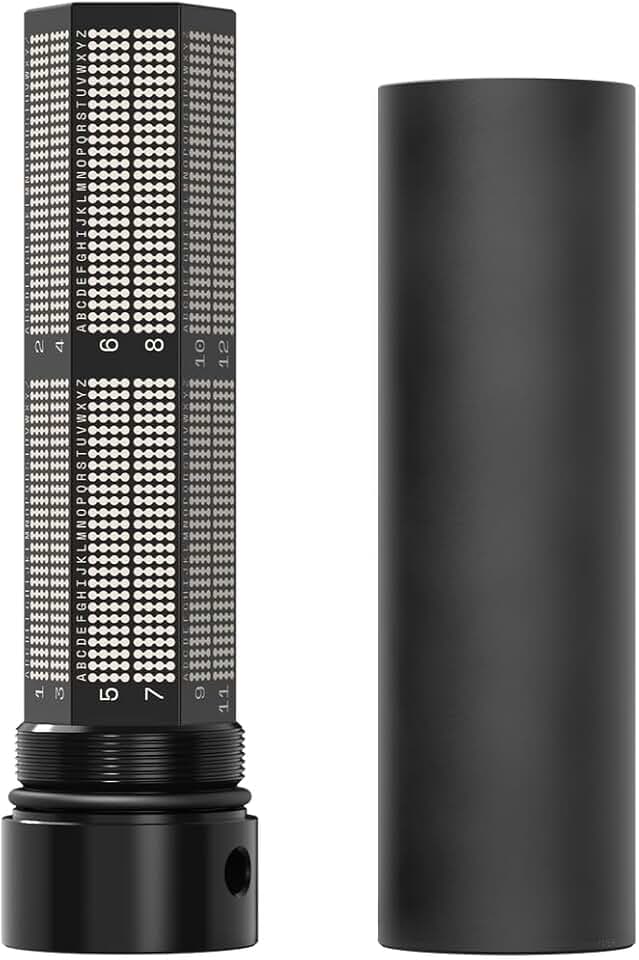
Securing your staked assets is paramount. Hardware wallets provide an offline layer of protection for your private keys, ensuring that even if an exchange is compromised, your funds remain safe. Consider equipping your setup with a reputable hardware wallet and a secure seed phrase storage solution.


As an Amazon Associate, we may earn from qualifying purchases.
Best banks for fiat integration
The friction between traditional banking rails and blockchain networks remains the primary hurdle for daily crypto usage. Regulatory scrutiny has forced many institutions to sever ties with digital asset firms, making the selection of a "crypto-friendly" bank a matter of operational continuity rather than mere convenience. The most reliable institutions are those that maintain active partnerships with regulated exchanges, allowing for seamless, high-volume fiat-to-crypto transfers without triggering unnecessary account freezes.
When evaluating fiat integration, prioritize banks that explicitly support deposits and withdrawals from major, compliant platforms like Coinbase, eToro, and Uphold. Dollar balances held at these exchanges often receive FDIC coverage up to $250,000, providing a critical safety net for your liquid assets. This regulatory alignment ensures that your entry and exit points into the crypto market remain stable, even during periods of heightened financial scrutiny. Transfer limits and processing times can shift rapidly based on bank policy and exchange status, so verify these constraints early.
To protect your capital while navigating this hybrid financial landscape, securing your private keys is non-negotiable. The following hardware wallets provide the necessary cold storage infrastructure to complement your fiat banking strategy, ensuring that your long-term holdings remain isolated from online threats.


As an Amazon Associate, we may earn from qualifying purchases.
Regulated options for institutional capital
As 2026 progresses, the divide between traditional finance and digital assets is narrowing, but only for institutions that prioritize regulatory compliance above all else. High-net-worth individuals and corporate treasuries are no longer satisfied with unregulated exchanges; they require banking partners that can navigate complex licensing frameworks while offering robust custody solutions. This shift has elevated "crypto-friendly" and "regulated" from marketing buzzwords to strict operational requirements.
Institutional capital demands a security infrastructure that mirrors traditional banking standards. Providers like Sygnum Bank in Switzerland and Singapore have built their reputations on operating within strict cantonal and MAS regulations, offering multi-signature custody and insurance coverage that institutional clients require to deploy significant capital. Similarly, US-based institutions are turning to specialized fintech banks like Mercury, which integrate crypto-related transaction monitoring directly into their accounting workflows, ensuring that compliance officers can audit digital asset movements alongside fiat transactions without friction.
The focus here is not on retail convenience, but on institutional-grade security and legal clarity. These banks act as the bridge, allowing capital to flow between the regulated traditional economy and the digital asset space without exposing the institution to the regulatory risks that plagued earlier adopters. For institutions, the choice of bank is a risk management decision as much as a financial one.


As an Amazon Associate, we may earn from qualifying purchases.
While these banking partners handle the fiat and custody layer, institutional security protocols often extend to the hardware level for private key management. For high-value transactions, hardware wallets remain the gold standard for cold storage, providing an air-gapped environment that protects against remote cyber threats. Integrating these physical security measures with regulated banking infrastructure creates a comprehensive defense strategy for institutional digital asset holdings.
How to choose a crypto bank in 2026
Selecting a crypto bank requires balancing yield potential against regulatory safety. The landscape has shifted from speculative experimentation to institutional-grade infrastructure. Your choice should depend on whether you prioritize high-yield staking, seamless fiat integration, or maximum asset security.
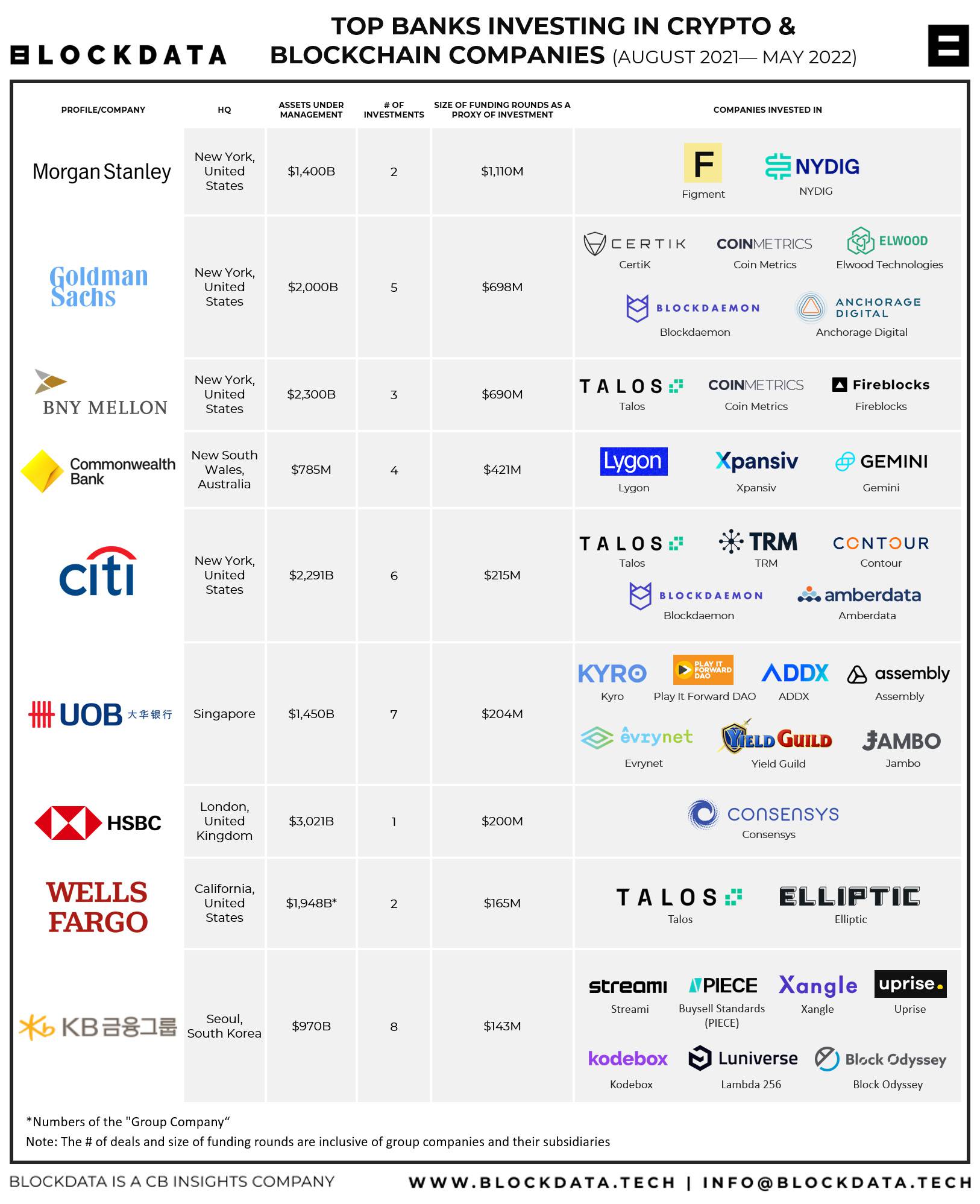
Regulatory status is the primary filter. Ensure the institution holds a banking charter or specific virtual asset service provider (VASP) license in your jurisdiction. Avoid platforms operating in legal gray areas, as these pose significant risk of frozen assets or service shutdowns.
Security protocols must be robust. Look for banks that offer segregated custody for digital assets and multi-signature wallets. Check if the platform has undergone third-party security audits and maintains insurance coverage for digital holdings. This is non-negotiable for protecting your capital.

Yield structures vary widely. Some banks offer native staking rewards for assets like Ethereum or Solana, while others provide interest-bearing fiat accounts. Review current yield data, as these fluctuate with market conditions. Understand the lock-up periods and whether yields are paid in crypto or fiat.
Seamless fiat on-ramps and off-ramps are critical for practical usage. Verify supported currencies, deposit fees, and withdrawal limits. A truly crypto-friendly bank should allow easy movement between traditional currency and digital assets without excessive friction or hidden costs.
Even with a regulated bank, consider using a hardware wallet for long-term holdings. Devices like the Ledger Nano X or Trezor Model T provide an additional layer of security by keeping private keys offline. This is especially important for large amounts that you do not need for daily transactions.


As an Amazon Associate, we may earn from qualifying purchases.
By following this framework, you can identify a crypto bank that aligns with your specific risk tolerance and financial goals. Prioritize transparency and security over short-term yield incentives.
FAQs about crypto banking in 2026
Crypto banking sits at the intersection of traditional finance and digital innovation. In 2026, the distinction between "crypto-friendly" and "regulated" remains the primary filter for safety. Below are answers to the most common questions regarding asset selection, institutional adoption, and banking infrastructure.
Which cryptocurrency is best for banking integration in 2026?
Ripple-backed XRP continues to be the dominant asset for institutional banking integration. Unlike speculative tokens, XRP is designed for cross-border settlement, offering speed and low fees that align with banking compliance standards. Financial institutions increasingly view it as a bridge currency for liquidity management rather than a speculative hold.
Are major banks actually using XRP for transactions?
Yes. Dozens of banks and fintech companies utilize XRP through RippleNet to settle cross-border payments. This isn't theoretical; it is active infrastructure. The network's ability to provide real-time settlement and reduce pre-funded nostro accounts gives XRP a utility profile that few other cryptocurrencies can match in the institutional sector.
Which bank is best for crypto industry operations?
There is no single "best" bank, as suitability depends on your jurisdiction and compliance requirements. However, institutions like Sygnum Bank (Switzerland/Singapore) and Mercury (US) are frequently cited for their robust crypto-friendly frameworks. These institutions offer regulated custody and fiat on-ramps, which are essential for high-stakes operations. Review current fee structures before committing capital.
What hardware should I use to secure crypto banking assets?
If you hold significant crypto assets outside of a bank's custodial service, a hardware wallet is non-negotiable. These devices keep your private keys offline, protecting against remote hacks. For serious users, we recommend evaluating top-tier options like the Ledger Nano X or Trezor Model T. These devices support a wide range of assets and provide an additional layer of security for your digital wealth.


As an Amazon Associate, we may earn from qualifying purchases.

No comments yet. Be the first to share your thoughts!