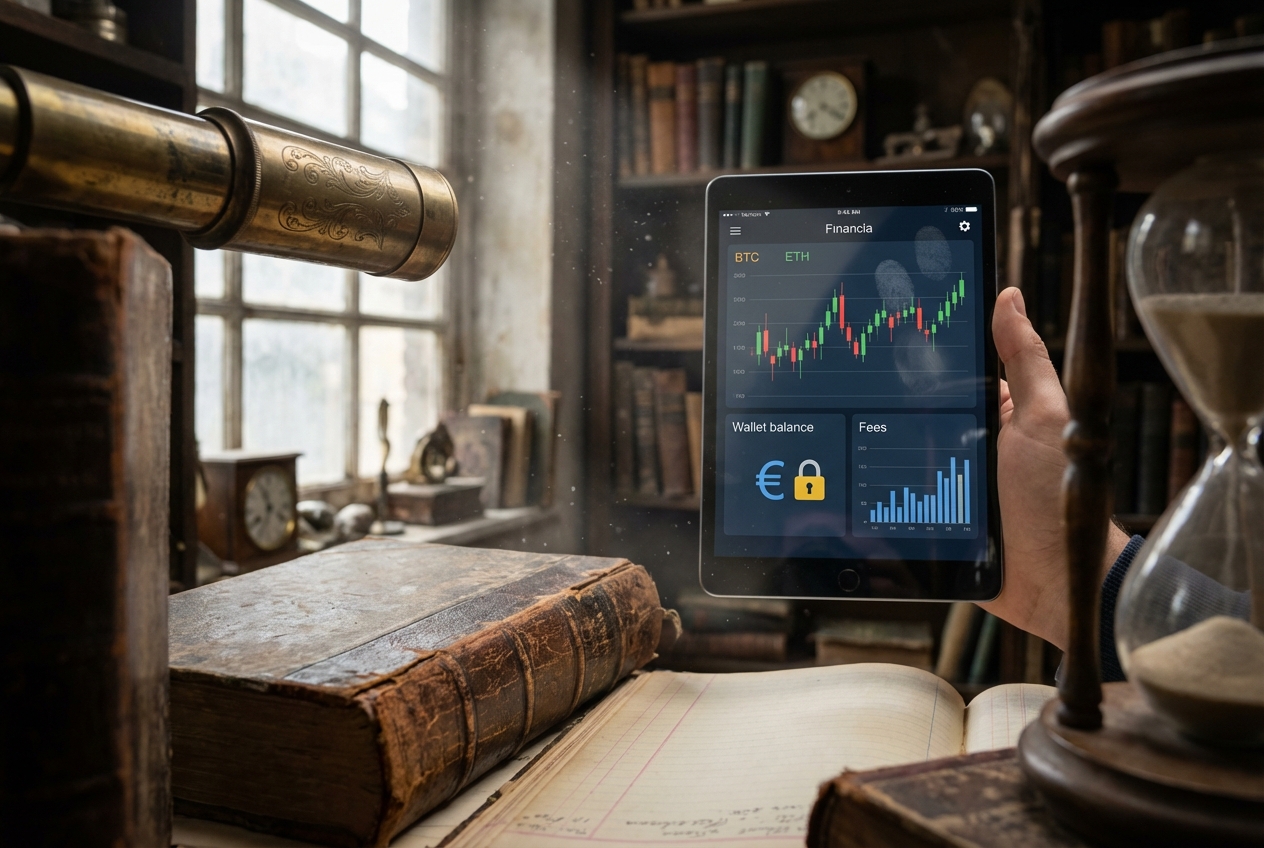
Santander Openbank's entry into cryptocurrency trading marks a pivotal moment for Santander Openbank crypto trading in Germany, blending the stability of a major European bank with the dynamism of digital assets. Launched in September 2025 under the European Union's Markets in Crypto-Assets (MiCA) framework, this service empowers retail clients to buy, sell, and hold leading cryptocurrencies directly through Openbank's intuitive app and website. With no custody fees and a straightforward transaction structure, it addresses key pain points for beginners navigating Openbank Bitcoin Germany and beyond. As of November 2025, the platform has expanded to Spain, signaling broader ambitions while maintaining a strong foothold in the German market.
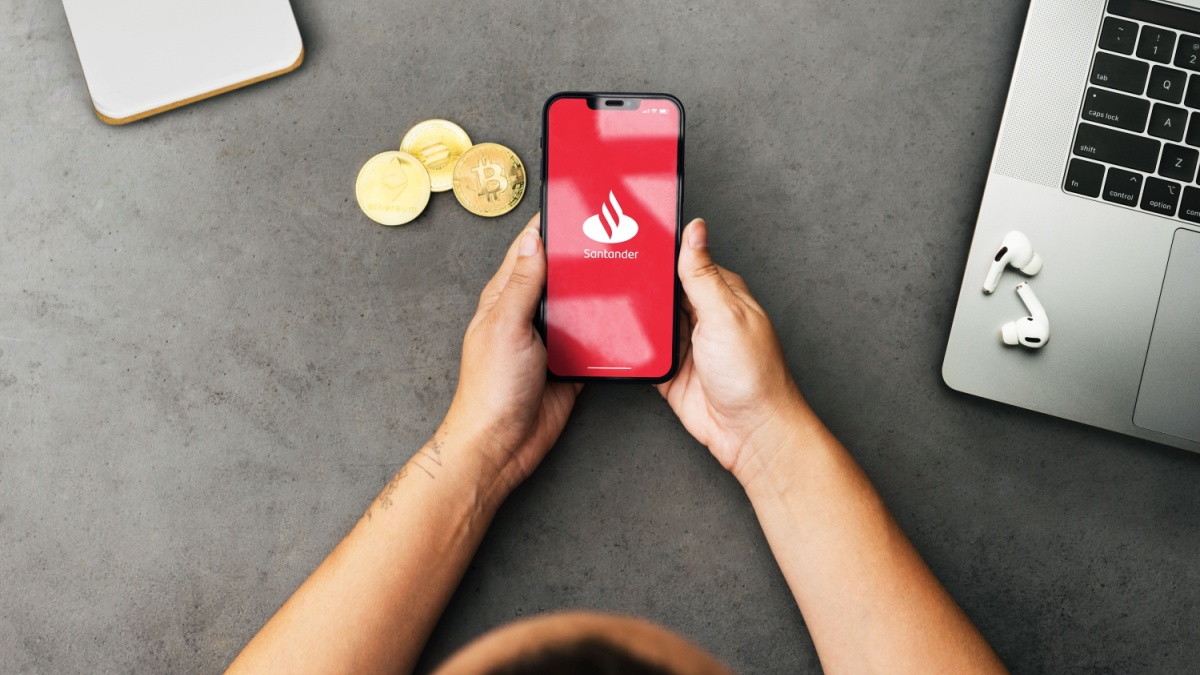
This development reflects a maturing crypto ecosystem where regulated banks like Openbank lower barriers to entry. German customers, previously reliant on third-party exchanges, now benefit from integrated services backed by Santander's robust infrastructure. MiCA compliance ensures enhanced transparency, investor protections, and standardized disclosures, fostering trust in an asset class long plagued by volatility concerns.
Streamlined Retail Access via Openbank Platform
Accessing crypto trading on Openbank requires only an existing account, eliminating the need for external fund transfers or complex verifications beyond standard KYC. German retail investors can initiate trades seamlessly within the mobile app or web portal, funding positions from their fiat balances in euros. This one-stop approach suits conservative users wary of unregulated platforms, aligning with Santander crypto services Germany expectations for security and convenience.
Openbank's design prioritizes usability: real-time quotes, order history, and portfolio tracking appear alongside traditional banking features. Early adopters report intuitive navigation, with trades executing in minutes during market hours. While initial rollout targeted Germany, the Spain expansion leverages the same backend, hinting at EU-wide scalability. For Germans, this means priority support in local languages and compliance with BaFin oversight alongside MiCA.
Core Cryptocurrencies Available for Trading
Openbank supports five established tokens, catering to diversified retail strategies: Bitcoin (BTC), Ethereum (ETH), Litecoin (LTC), Polygon (MATIC), and Cardano (ADA). These selections balance market leaders with utility-focused alternatives, allowing users to capture blue-chip exposure without overwhelming choices.
| Cryptocurrency | Ticker | Key Use Case |
|---|---|---|
| Bitcoin | BTC | Store of value |
| Ethereum | ETH | Smart contracts |
| Litecoin | LTC | Fast payments |
| Polygon | MATIC | Layer-2 scaling |
| Cardano | ADA | Sustainable blockchain |
This lineup avoids speculative memecoins, emphasizing fundamentals that resonate with risk-averse bank clients. BTC and ETH dominate volume, while MATIC and ADA offer growth potential through ecosystem developments. Openbank plans token expansions and crypto-to-crypto swaps in coming months, potentially including stablecoins for hedging.
Competitive Fees Breakdown for Cost-Conscious Traders
At the heart of Openbank's appeal lies its Openbank retail crypto fees: a flat 1.49% per buy or sell transaction, capped with a €1 minimum per operation. Custody remains free, removing ongoing storage costs common on exchanges. For a €1,000 BTC purchase, expect roughly €14.90 in fees, scaling linearly for larger trades.
Compared to peers, this structure shines for infrequent retail traders. No spreads, withdrawal fees, or inactivity charges simplify budgeting. MiCA mandates clear fee disclosures, which Openbank exceeds with in-app calculators previewing costs pre-execution. For high-frequency users, the percentage may accumulate, but most retail profiles favor this predictability over maker-taker models elsewhere.
Explore detailed user experiences highlight how these fees support long-term holding over day trading, aligning with sustainable strategies in volatile markets.
Strategically, Openbank positions itself as a gateway for traditional investors into crypto. By waiving custody, it encourages accumulation, potentially stabilizing portfolios amid market swings. German users gain an edge in a fragmented landscape, where crypto trading German banks lag behind fintechs but offer superior safeguards.
Security forms the bedrock of Openbank's crypto offering, leveraging Santander's enterprise-grade protocols. Assets reside in regulated cold storage, insured against hacks, with multi-factor authentication and transaction monitoring standard. MiCA's stringent requirements compel regular audits and reserve proofs, setting Openbank apart from decentralized alternatives prone to exploits. For German users, this translates to peace of mind, as BaFin supervision adds a domestic layer of recourse absent in offshore exchanges.
Step-by-Step Guide to Your First Openbank Crypto Trade
Embarking on crypto trading via Openbank demands minimal friction, designed for seamless integration into daily banking routines. Verify your account status first, then navigate to the dedicated crypto section in the app. Fund your trades from euro balances, select your asset, and confirm with a fee preview. Execution follows instantly, with holdings reflected in real-time portfolios.
Master Openbank Crypto Trading: Signup to BTC/ETH Portfolio in Germany
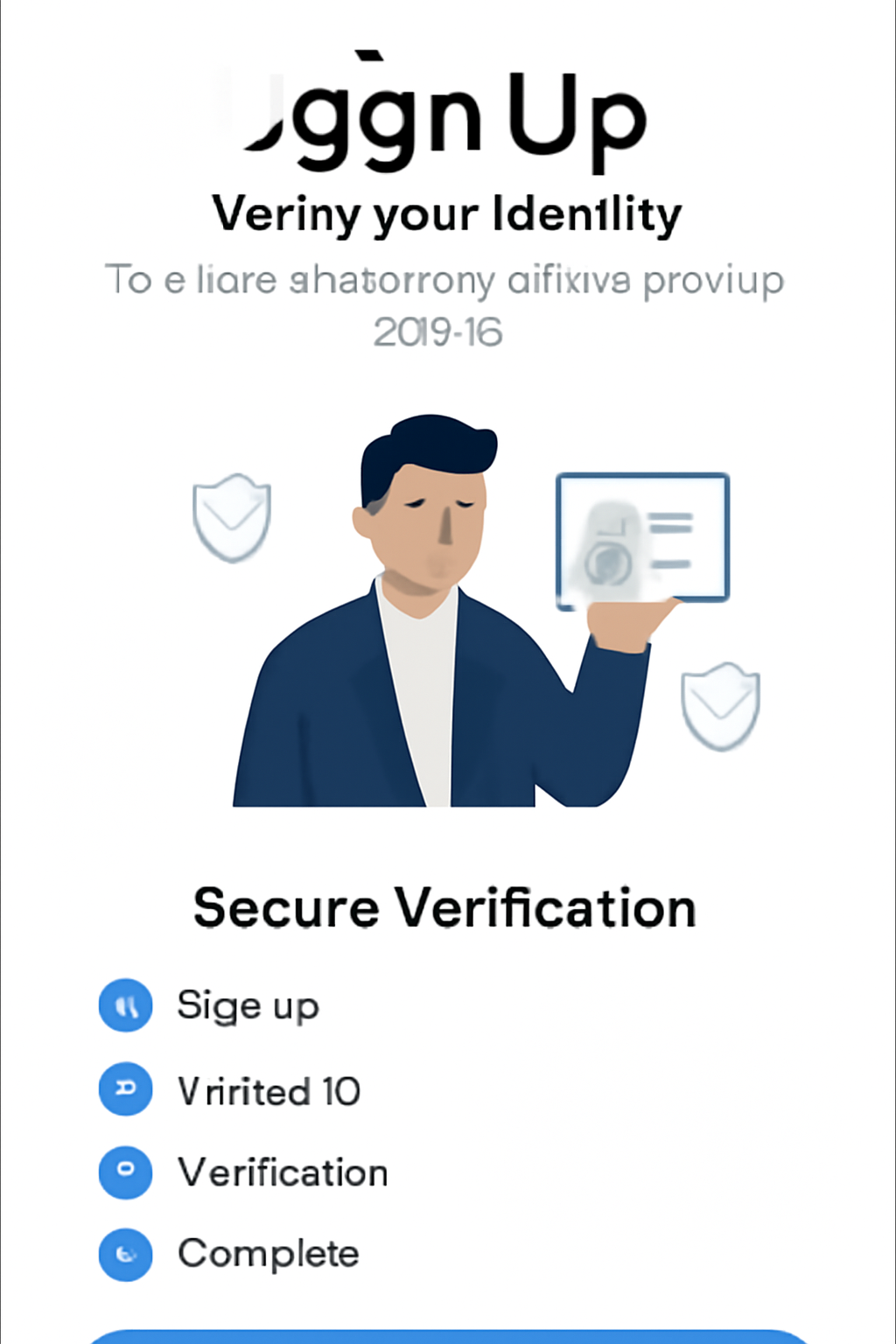
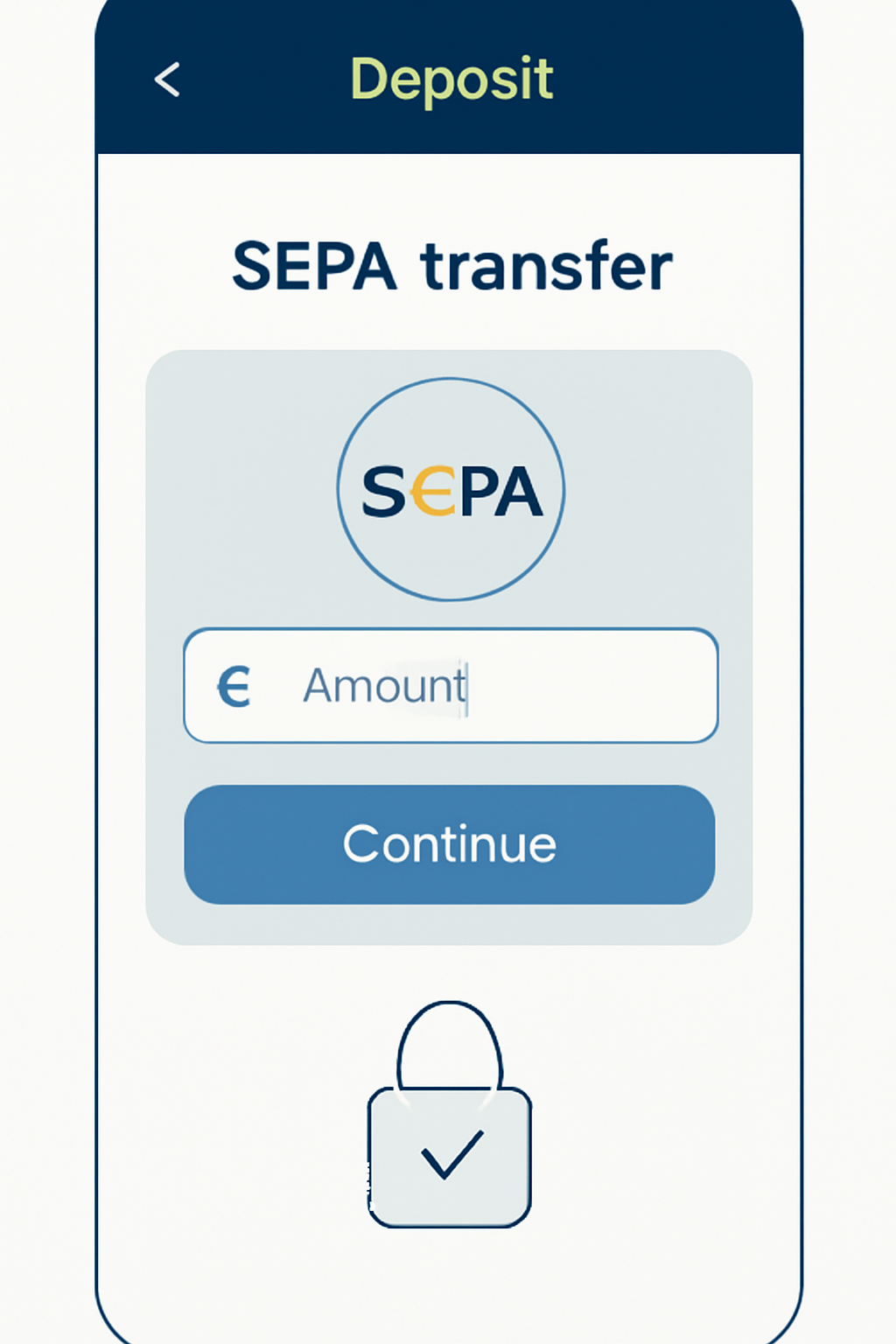
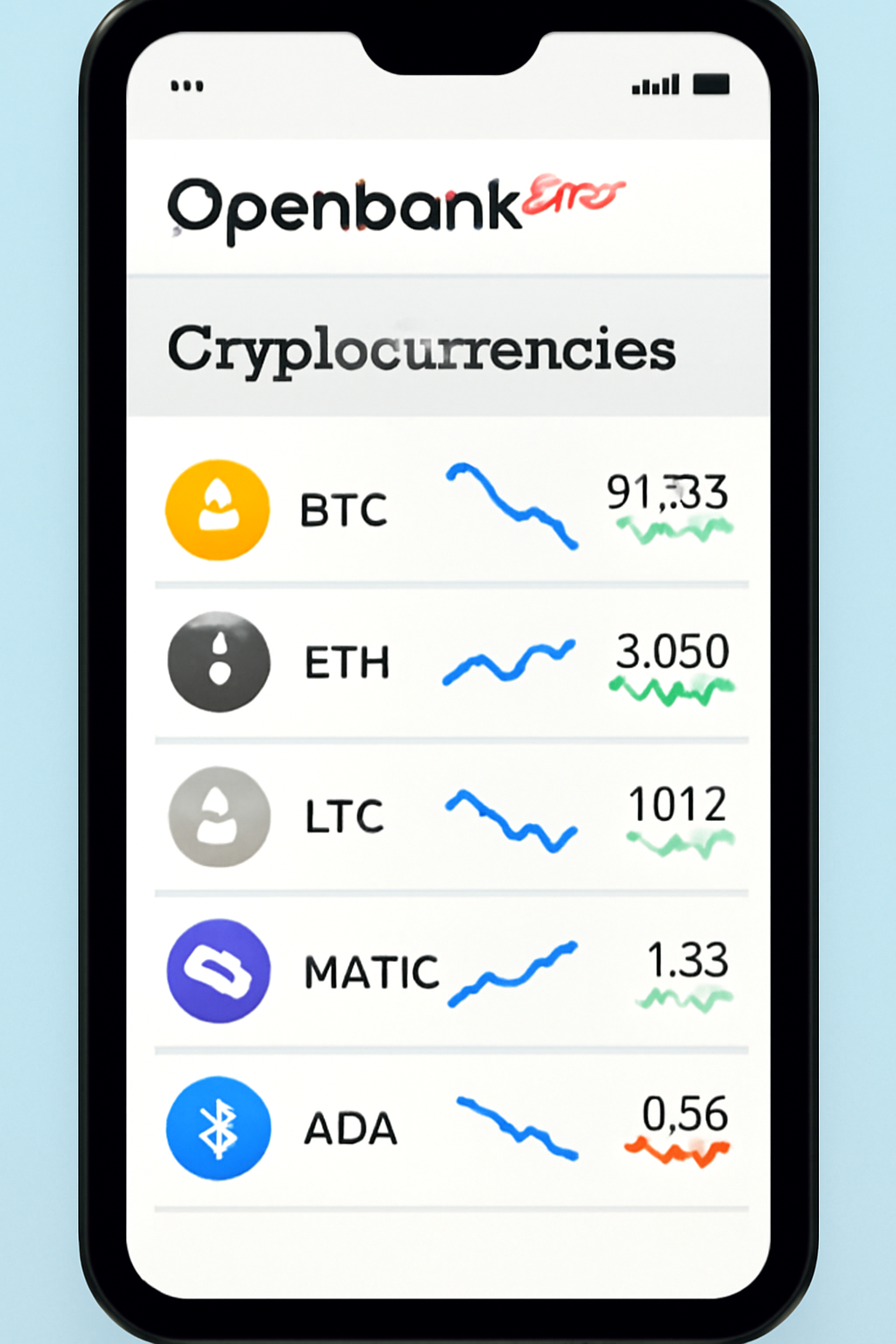
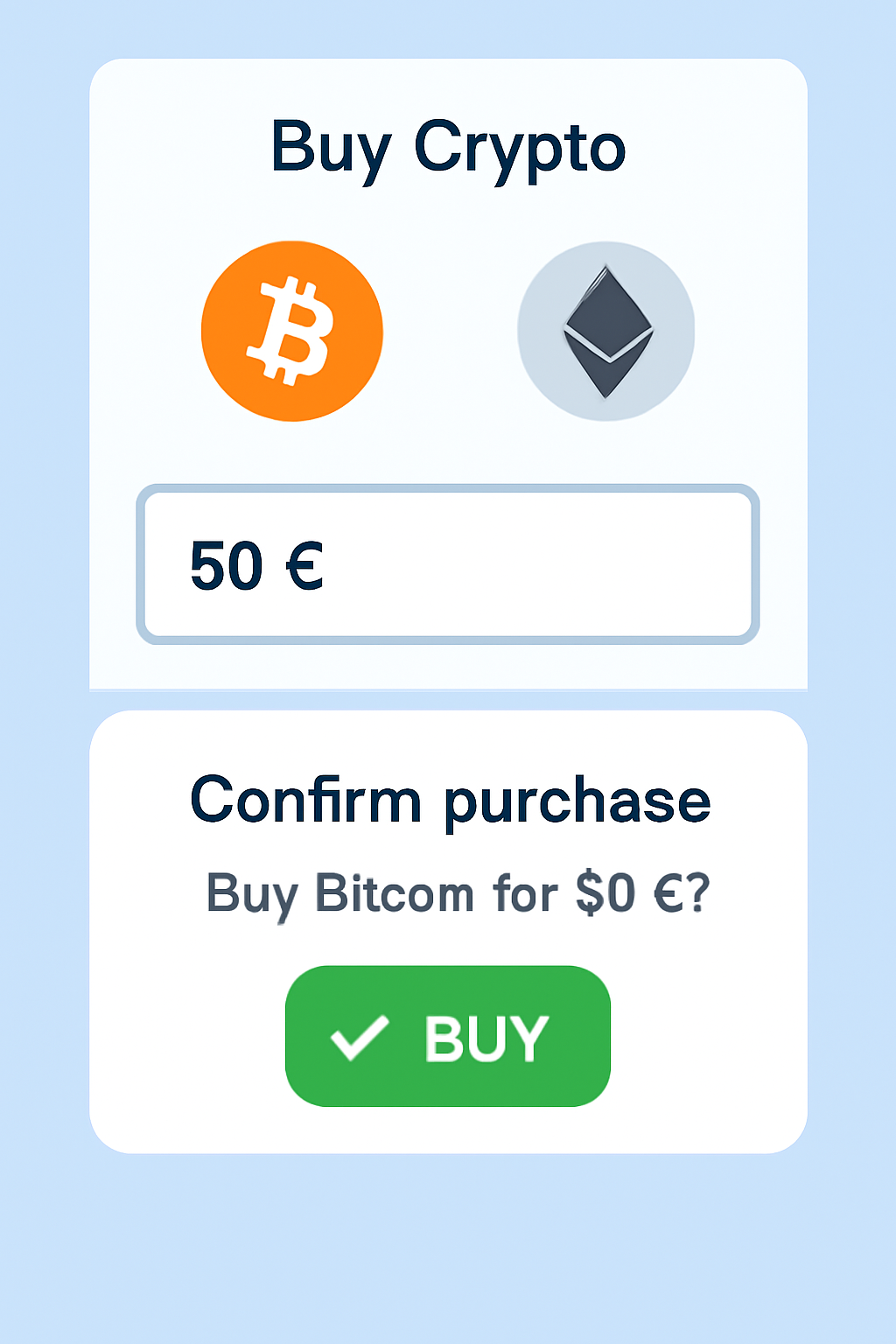
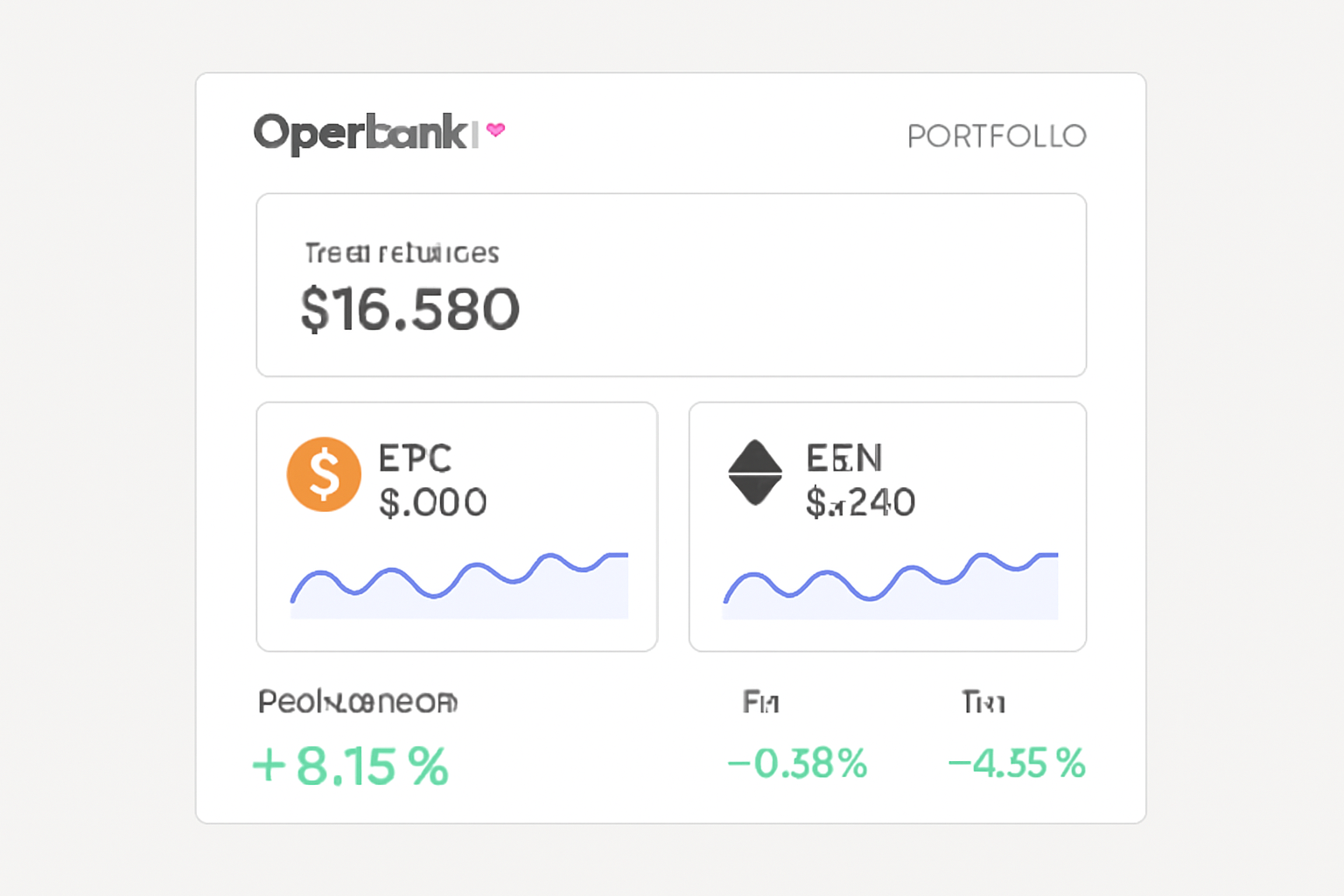
This process underscores Openbank's retail focus, where even novices complete trades without tutorials. Post-purchase, users access educational resources on volatility and diversification, promoting informed holding over speculative flips.
Risk Considerations in a Regulated Environment
Despite safeguards, crypto's inherent volatility persists. Openbank mitigates this through position limits for new users and educational prompts on market risks, but prices can swing 10-20% daily. German regulations cap leverage at zero, preventing margin calls that plague derivatives platforms. Custody separation ensures fiat remains ring-fenced, allowing quick exits to stable euros during downturns.
Opinionated take: Openbank excels for accumulation strategies, not timing peaks. Its fee structure favors dollar-cost averaging over lump-sum bets, ideal for conservative portfolios blending crypto with bonds or equities. Yet, for yield seekers, absent staking rewards positions it behind DeFi, a deliberate choice prioritizing principal protection.
Openbank vs. Competitors: BTC Trading Fees in Germany
| Platform | Trading Fee (BTC Buy/Sell %) | Minimum Fee | Custody Fee | Notes |
|---|---|---|---|---|
| Openbank | 1.49% | €1 per operation | Free | MiCA-regulated, simple app trades for BTC, ETH, LTC, MATIC, ADA |
| Binance | 0.10% maker/taker | None | Free | Volume discounts & BNB reductions; SEPA deposits free |
| Kraken | 0.16% maker / 0.26% taker | None | Free | Tiered by 30-day volume; EU compliant |
| Bitpanda | 1.49% (simple) / 0.10-0.15% (pro) | None | Free | Popular in DE/AT; simple mode for retail, pro for advanced |
As shown, Openbank's predictability trumps variable spreads elsewhere, though volume discounts on exchanges suit pros. Retail Germans prioritizing integration over marginal savings find optimal value here.
Expansion Signals and Competitive Edge
The November 2025 rollout to Spain exemplifies Openbank's pan-EU momentum, replicating Germany's model with identical assets and fees. This dual-market presence enhances liquidity and refines the platform via cross-border feedback. Plans for additional tokens and crypto-to-crypto trades address user demands, potentially including USDC for fiat gateways.
In a landscape where crypto trading German banks like Commerzbank trail, Openbank leads with Santander's balance sheet as ballast. Its no-frills approach demystifies digital assets, drawing savers into measured exposure without fanfare.
Ultimately, Santander Openbank redefines accessible crypto within banking norms, empowering Germans and now Spaniards to navigate digital finance securely. By fusing tradition with innovation, it charts a prudent path forward in an asset class poised for deeper integration.


No comments yet. Be the first to share your thoughts!