
On-chain neobanks are upending the financial world by overseeing billions in assets through blockchain infrastructure alone, sidestepping the need for physical branches or cumbersome legacy systems. These platforms deliver payments, savings, lending, and more directly on-chain, granting users instantaneous, borderless access to their funds. Picture a banking system where transactions settle in seconds across continents, yields accrue automatically via stablecoins, and custody remains firmly in the user's control. As detailed in recent analyses, entities like Pave have processed over $5 billion in transactions for 400 corporate clients across 25 and fiat currencies and stablecoins, while Anchorage Digital holds the distinction of being the first federally chartered crypto bank in the U. S. This isn't mere hype; it's a tangible evolution scaling to hundreds of millions of users and trillions in annual volume by 2025.

The momentum behind on-chain neobanks stems from their ability to fuse crypto's programmability with everyday banking utility. Traditional banks grapple with intermediaries, compliance silos, and slow rails, often charging premiums for cross-border moves. In contrast, crypto neobanks leverage smart contracts for automated compliance, on-chain vaults for secure storage, and stablecoin rails for near-instant FX. Investors recognize this edge, pouring capital into platforms that prioritize long-term asset management over speculative trading, as noted by Investing. com. Lex Sokolin highlights neobanks hitting $5B in on-chain card volumes, separating backend infrastructure from consumer brands for scalable distribution.
Mastering On-Chain Neobanks: 6-Step Mechanics for Branchless Crypto Banking


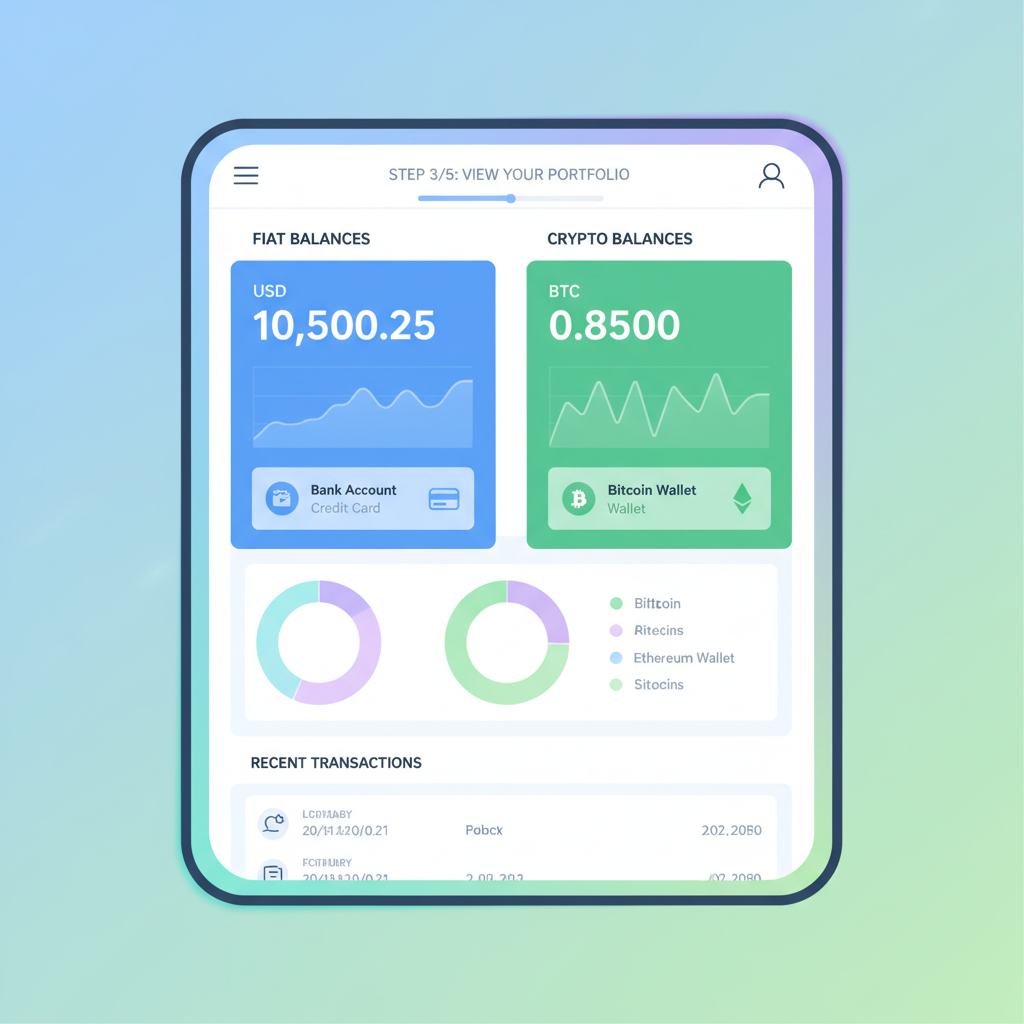

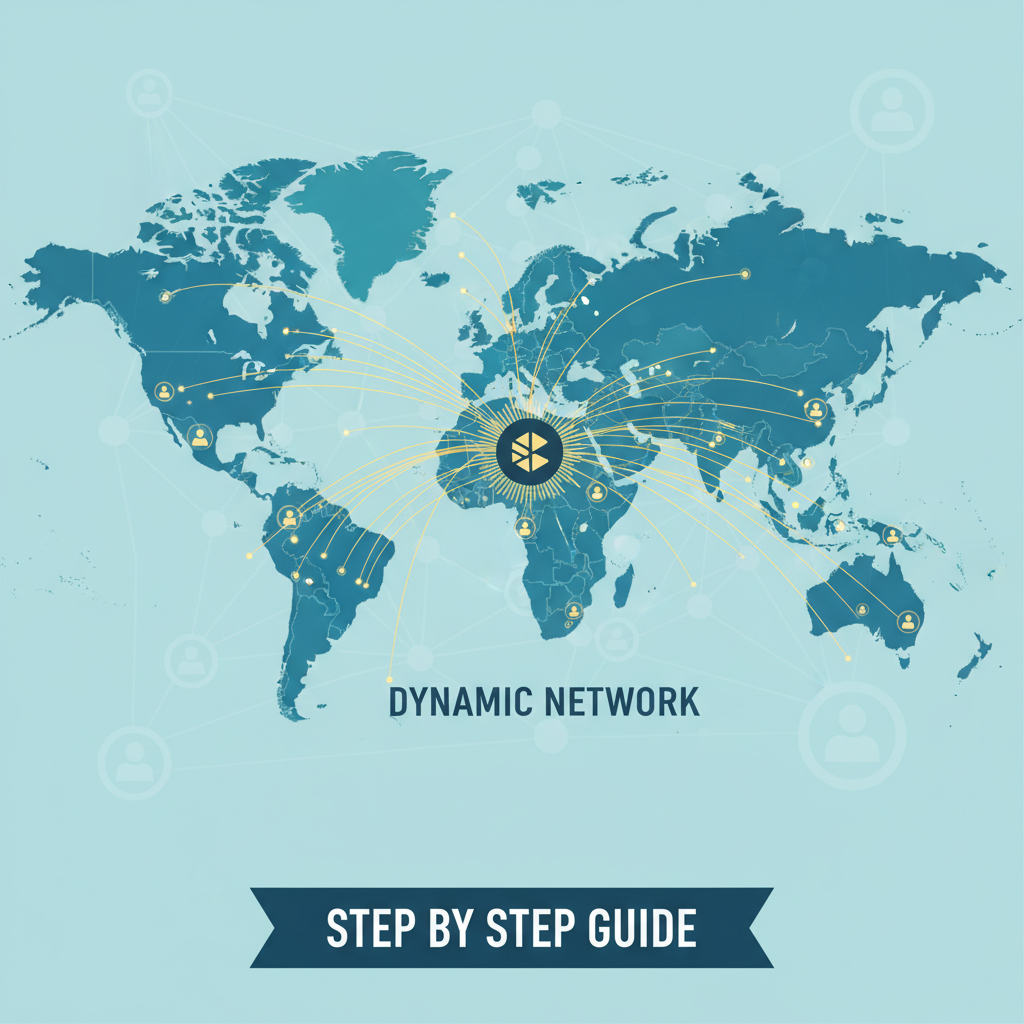
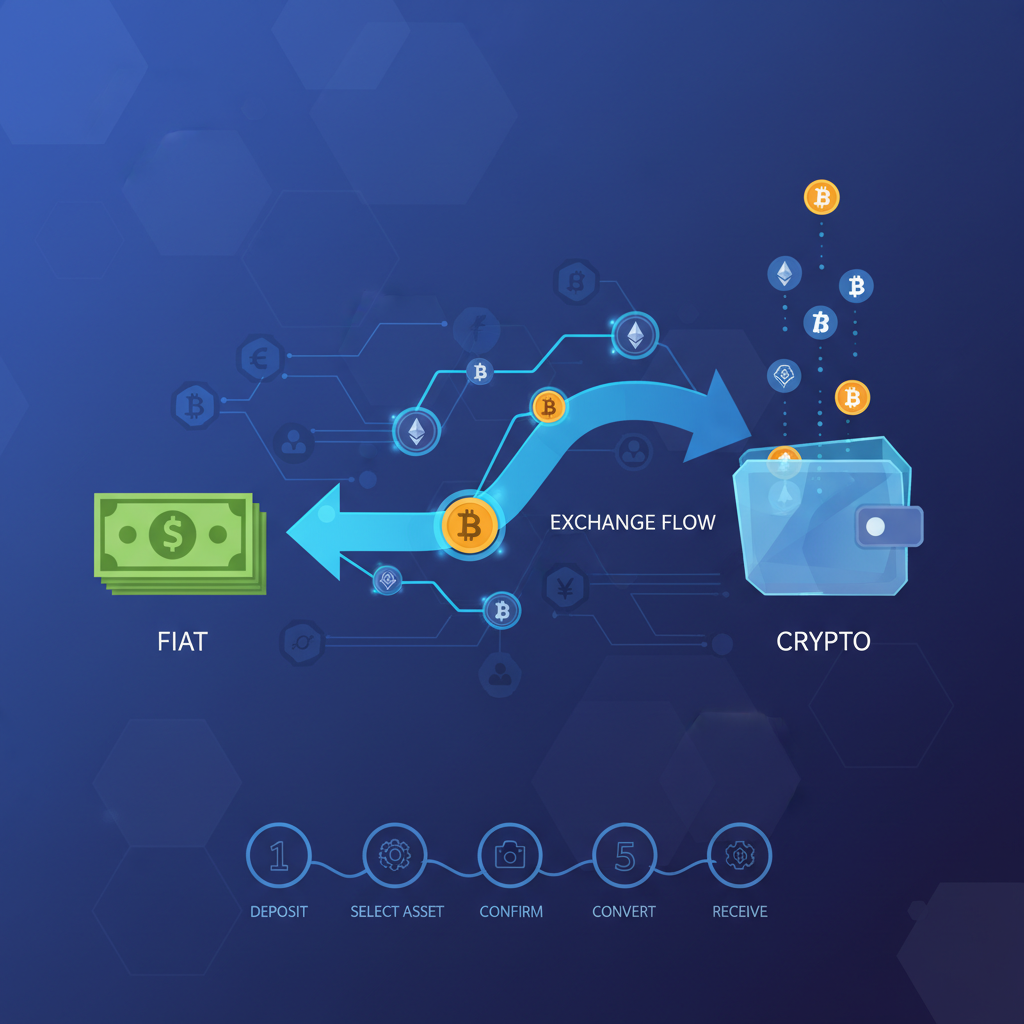
Consider Pave, licensed in Georgia: it serves institutions with commercial banking across fiat and stablecoins, proving regulatory viability without brick-and-mortar overhead. Anchorage Digital, since 2017, custodies for governments and funds, embedding staking yields directly into balances. Gate. com points out the paradigm shift: funds bypass bank accounts for direct wallet control, fostering autonomous management. This model scales efficiently; Vaultody's multi-chain environment unifies accounts across EVM, Bitcoin, and beyond, simplifying operations for neobanks.
Key Advantages of On-Chain Neobanks
- Instant global payments via stablecoins: Platforms like Pave, licensed in Georgia, enable seamless transactions across 25+ fiat currencies and stablecoins, with 400+ clients processing over $5 billion in volume.
- Automated yields without lockups: Stablecoin ecosystems allow users to earn real-time yields on deposits directly on-chain, outperforming traditional banks without requiring asset lockups.
- Self-custodial security reducing counterparty risk: Users hold funds in personal crypto wallets, as seen with Anchorage Digital, the first U.S. federally chartered digital asset bank, minimizing reliance on intermediaries.

- Multi-chain interoperability for diverse assets: Solutions like Vaultody provide unified management across EVM networks, Bitcoin, and more, supporting diverse blockchain ecosystems.
- Lower fees through smart contract efficiency: Blockchain automation via smart contracts eliminates intermediaries, enabling cost-effective mass payouts and on-chain card volumes exceeding $5 billion annually.
Why Stablecoins Supercharge On-Chain Neobanks
Stablecoins act as the lifeblood, providing the stability traditional banks envy while unlocking yields traditional systems can't replicate. American Banker notes on-chain vaults as a low-risk on-ramp for incumbents, embedding them in stablecoin ecosystems for cheap retention. These tokens enable neobanks to offer FX pricing in real-time, outpacing SWIFT's delays. For asset managers, a16z crypto outlines blockchain benefits: expanded distribution, automated operations, and on-chain liquidity for tokenized funds.
Fintech Blueprint observes a rush for charters among neobanks like Nubank, payments firms like Checkout. com, and crypto giants like Circle and Coinbase. This convergence signals decentralized neobanks maturing into system-level players. Unlike exchanges focused on trading, crypto banking without branches emphasizes holistic services: saving with yield, spending via cards, and managing portfolios on-chain.
Bridging TradFi and Web3 Through On-Chain Infrastructure
As neobanks accelerate, they bridge traditional finance with Web3. Blockchains automate fund ops for managers, tapping liquidity pools inaccessible off-chain. Pave's $5B transaction milestone underscores viability for institutions wary of pure DeFi. Yet challenges persist: regulatory clarity varies, and user education lags. Still, the value proposition is compelling; platforms handling billions prove on-chain neobanks deliver where legacy systems falter. For deeper insights on comparisons, explore crypto neobanks vs. traditional banks.
Delving into the operational core reveals how on-chain crypto banks achieve such scale without legacy drag. Smart contracts enforce compliance at the protocol level, reducing manual oversight and error rates that plague traditional setups. For Web3 businesses, this means mass payouts to global contractors in stablecoins or fiat equivalents, funded seamlessly from crypto holdings, as DECTA outlines in comparisons favoring crypto neobanks. Digitap app demystifies the backend: these platforms integrate fiat on-ramps with non-custodial wallets, issuing virtual debit cards that spend on-chain balances instantly. No more waiting days for wires; settlements clear in blocks.
On-Chain Neobanks vs. Traditional Banks
| Feature | On-Chain Neobanks | Traditional Banks |
|---|---|---|
| Branches | None 🚀 | Physical required 🏦 |
| Settlement Speed | Seconds 🚀 | Days 🏦 |
| Yields | Automated via stablecoins 💰 | Low/Variable 📉 |
| Custody | Self-managed wallets 🔐 | Centralized 🏦 |
| Cross-Border Fees | Near-zero 🌍 | High 💸 |
This efficiency draws institutional adoption. Pave's model, handling $5 billion across 400 clients, exemplifies how decentralized neobanks cater to enterprises needing multi-currency rails without geographic limits. Anchorage Digital extends this to sovereign-grade custody, staking assets for yields that compound directly into client ledgers. Investors back these ventures not for moonshots, but for sustainable models emphasizing saving and spending, per Investing. com insights. Lex Sokolin's analysis of $5B on-chain card volumes underscores the split: robust infrastructure powers consumer brands, enabling viral distribution without proportional cost spikes.
Navigating Risks in the On-Chain Era
Objectively assessing crypto banking without branches requires confronting vulnerabilities. Smart contract exploits, though rare post-audits, pose tail risks; platforms mitigate via multi-sig wallets and insurance pools. Regulatory flux remains a hurdle, yet charters like Anchorage's and Pave's signal maturation. Gate. com emphasizes user empowerment through direct wallet control, slashing counterparty defaults inherent in fractional reserve banking. Vaultody's multi-chain unification addresses fragmentation, letting neobanks manage EVM, Bitcoin, and emerging chains from one dashboard. Empirical data supports resilience: amid 2025's trillions in volume, downtime incidents trail legacy peers.
From a risk-adjusted lens, these platforms excel. My 14 years analyzing digital strategies affirm that on-chain transparency trumps opaque balance sheets. TradFi incumbents eye on-chain vaults for stablecoin entry, as American Banker reports, preserving deposits at minimal cost. This convergence accelerates; fintechs like Nubank and Coinbase pursue charters to fuse rails, per Fintech Blueprint. a16z crypto details asset managers' gains: tokenized funds automate distributions, liquidity on-chain boosts NAVs without intermediaries.
The Road Ahead for On-Chain Dominance
Projections point to explosive growth. By embedding yields, cards, and payouts natively, on-chain neobanks capture Web3's workforce and DAOs, underserved by slow banks. Stablecoins supercharge this, offering FX rates that adapt block-by-block. Challenges like oracle dependencies or layer-2 scaling resolve iteratively; Solana and Ethereum upgrades already handle bank-like throughput. For businesses, the calculus shifts: why endure branch queues or wire delays when wallets yield passively?
Institutions hedging into crypto find tailored custody here. Pave's fiat-stablecoin blend suits treasuries, while Anchorage serves pensions staking BTC equivalents. This isn't displacement; it's augmentation, where blockchains handle programmable money, freeing legacy banks for high-touch advice. As volumes crest trillions, crypto neobanks solidify as the efficient layer, managing assets with precision unattainable off-chain.
The trajectory underscores a managed risk paradigm: blockchain's verifiability tames volatility, custody empowers users, and programmability cuts costs. Platforms proving billions in throughput herald a financial system where access scales infinitely, borders dissolve, and value accrues methodically.





No comments yet. Be the first to share your thoughts!