

In a move that bridges traditional banking with the blockchain world, the Office of the Comptroller of the Currency (OCC) issued Interpretive Letter 1186 in November 2025, greenlighting national banks to hold crypto-assets specifically for paying gas fees on blockchain networks. This isn’t just regulatory fine print; it’s a practical unlock for institutions handling digital assets. As Bitcoin trades at $76,920.00 amid a slight 24-hour dip of $1,600.00, this approval signals deeper integration of crypto services into US banking, potentially stabilizing custody and transaction costs for users.

The letter clarifies that banks can maintain limited amounts of crypto on their balance sheets as principal, not just as customer assets. This covers fees for activities like custody, settlements, and payments. Banks must still prioritize safety, with robust risk controls and legal compliance. It’s a cautious yet forward-leaning nod from regulators, building on prior permissions for crypto custody and node operations.
Decoding the OCC’s Latest Crypto Nod
Interpretive Letter 1186 explicitly states banks may hold crypto necessary for “reasonably foreseeable” gas fees. Think Ether for Ethereum transactions or Solana for its network. This resolves a gray area: previously, banks could custody client crypto but risked scrutiny for proprietary holdings. Now, they can proactively manage operational needs. Sources like Davis Wright Tremaine and Steptoe highlight how this facilitates testing of in-house platforms too, whether built internally or from vendors.
In the letter, the OCC affirms: “we confirm that the Bank may hold amounts of crypto-assets as principal necessary for testing otherwise permissible crypto-asset-related activities. “
This isn’t blanket approval for speculative trading. Holdings must tie directly to permissible banking functions. For fintech watchers, it’s the OCC’s pattern of embedding digital assets into the “business of banking, ” from 2020 custody letters to today’s fee mechanics. Check deeper analysis in our guide on OCC rulings for crypto users.

Gas Fees: The Hidden Cost Powering Blockchains
Gas fees aren’t optional; they’re the fuel for blockchain transactions. On Ethereum, users pay in ETH to prioritize actions amid network congestion. Solana uses SOL similarly, though cheaper. Bitcoin miners take BTC fees, but the principle holds: native tokens settle these costs. Without banks holding these, custody services hit friction, third-party conversions add delays and slippage.
Now, with OCC backing, national banks gain efficiency. Imagine seamless DeFi settlements or NFT transfers without off-ramping to exchanges. This matters as crypto volumes swell; at Bitcoin’s current $76,920.00 level, institutional demand for reliable custody surges. Critics worry about volatility exposure, but limited principal holdings mitigate that, demanding sophisticated hedging.
From an investigative lens, this empowers banks over pure-play custodians. It levels the field for Bitcoin custody national banks, where secure vaults meet regulatory trust. Elliptic notes support for ETH and SOL holdings, hinting at multi-chain futures.
Navigating Bitcoin Custody in the Post-1186 Era
Bitcoin custody stands out, even sans traditional gas fees. Banks leverage this ruling for broader digital asset ops, including BTC settlements via Lightning or wrapped forms. 2026 projections eye expanded options as regulators like the OCC push boundaries. Key players are rolling out services blending custody with fee management.
- Secure cold storage with multi-sig protocols.
- Insurance-backed holdings against hacks.
- Integration with trading desks for liquidity.
For businesses eyeing crypto services US regulators approve, this is prime time. Our related read on top custody providers details early adopters. But what’s next for pricing? Experts weigh in.
Bitcoin (BTC) Price Prediction 2027-2032
Forecasts amid OCC Interpretive Letter 1186 enabling US banks to hold crypto for gas fees, boosting institutional adoption and custody
| Year | Minimum Price | Average Price | Maximum Price | YoY % Change (Avg from Prev Year) |
|---|---|---|---|---|
| 2027 | $95,000 | $130,000 | $175,000 | +8% |
| 2028 | $125,000 | $185,000 | $260,000 | +42% |
| 2029 | $160,000 | $235,000 | $340,000 | +27% |
| 2030 | $190,000 | $275,000 | $390,000 | +17% |
| 2031 | $220,000 | $320,000 | $460,000 | +16% |
| 2032 | $260,000 | $375,000 | $550,000 | +17% |
Price Prediction Summary
Bitcoin prices are projected to experience strong growth from 2027-2032, starting from an average of $130K in 2027 and reaching $375K by 2032, fueled by regulatory advancements like OCC Letter 1186, the 2028 halving, and expanding bank custody integration. Conservative mins reflect bearish cycles, while maxes capture bullish adoption surges.
Key Factors Affecting Bitcoin Price
- OCC Interpretive Letter 1186 authorizing banks to hold crypto for gas fees and testing
- Heightened institutional adoption via bank custody and payments
- 2028 Bitcoin halving reducing supply issuance
- Sustained ETF inflows and mainstream integration
- Scalability improvements and DeFi growth
- Macroeconomic trends favoring risk assets post-2026
Disclaimer: Cryptocurrency price predictions are speculative and based on current market analysis.
Actual prices may vary significantly due to market volatility, regulatory changes, and other factors.
Always do your own research before making investment decisions.
With Bitcoin holding steady at $76,920.00 despite a 24-hour dip, institutions face heightened pressure to offer frictionless custody amid volatility. This OCC move doesn’t just enable gas holdings; it paves the way for end-to-end Bitcoin services, from storage to settlement. National banks, long sidelined by custody hesitancy, now compete directly with specialists like Coinbase Custody or Fireblocks. The edge? FDIC oversight meets blockchain precision, slashing counterparty risks for high-net-worth clients and corporations.
Bitcoin Custody Options: Banks vs. Specialists in 2026
Expect a bifurcation: traditional banks emphasizing compliance-heavy custody, while specialists push speed and yield. Pioneers like BNY Mellon and State Street, already in crypto custody per prior OCC letters, likely expand to gas-inclusive packages. New entrants could bundle Bitcoin vaults with Ethereum gas reserves for hybrid DeFi plays. For users, the win lies in Bitcoin custody national banks offering insured, audited storage without exchange hacks looming large.
Comparison of Top US Banks and Custodians for Bitcoin Custody
| Provider | Gas Fee Support | Insurance Coverage | Min Deposit | Fees |
|---|---|---|---|---|
| BNY Mellon | Yes | $600M | $1M | 0.25% |
| State Street | Yes | $500M | $5M | 0.3% |
| Coinbase Custody | Partial | Unlimited | $100K | 0.1-0.5% |
This table underscores why banks shine for scale: deeper insurance pools and regulatory moats. Yet specialists undercut on fees, vital as Bitcoin’s $76,920.00 perch tempts profit-taking. Dive into specifics via our breakdown on US banks offering Bitcoin services.
Bitcoin Custody Checklist
-
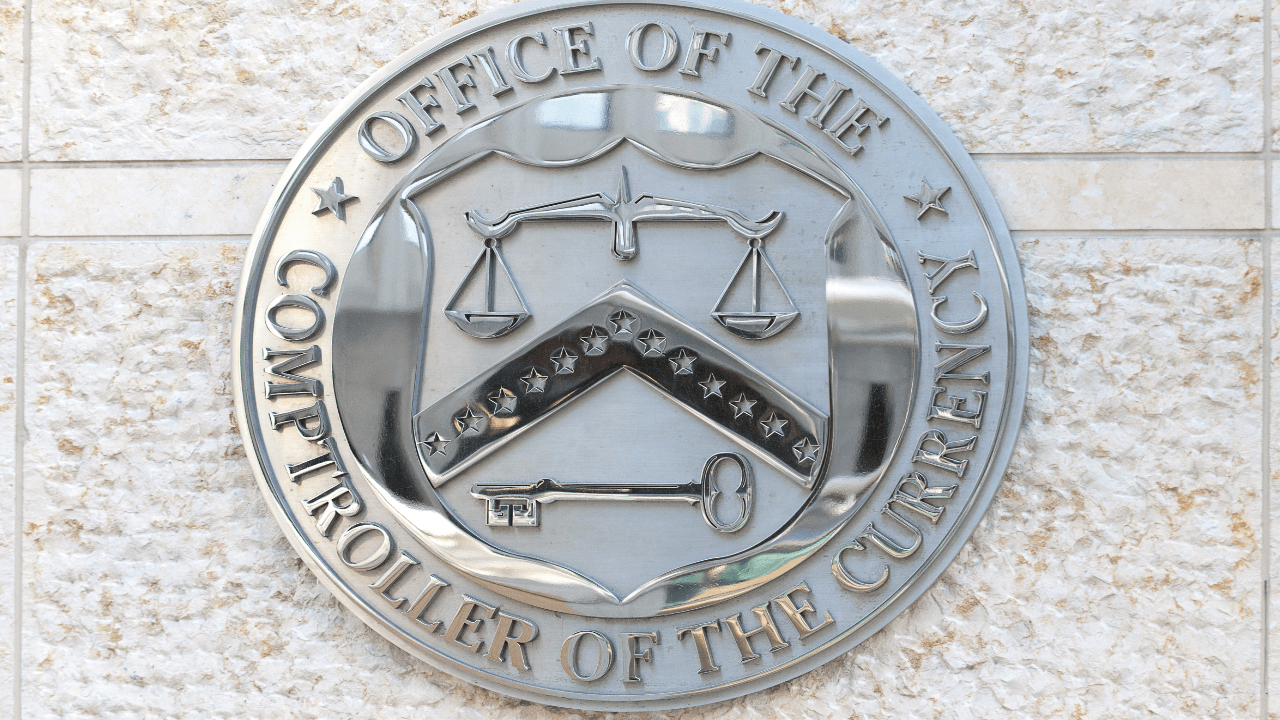
✓ Regulatory Compliance (OCC-Approved) – Verify custodian follows OCC Interpretive Letter 1186 for safe crypto custody and gas fee holding.
-
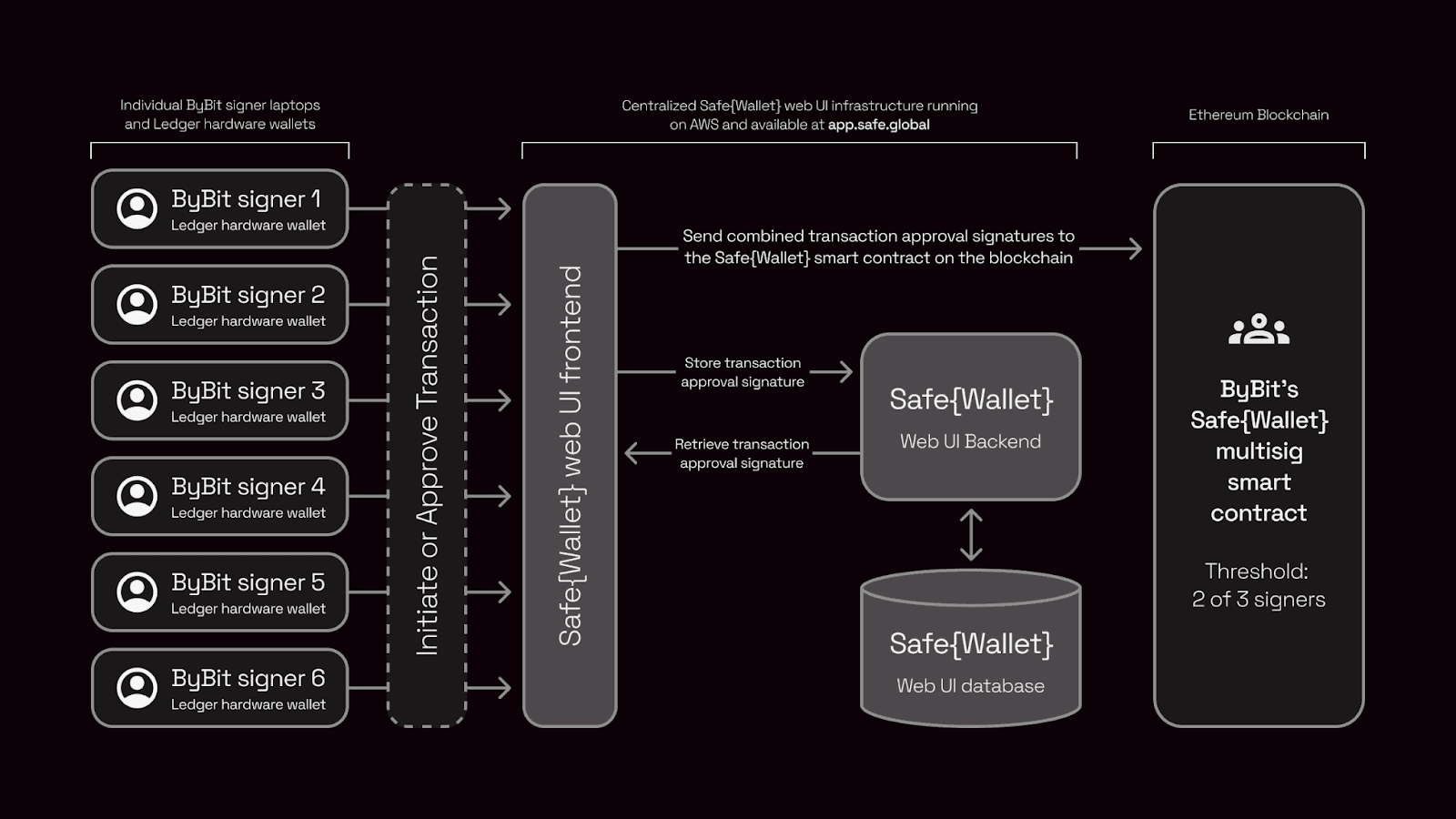
✓ Multi-Sig Security – Require multi-signature wallets (e.g., 2-of-3) from providers like Casa or Unchained Capital.
-

✓ Insurance Limits – Seek high coverage like Fidelity Digital Assets ($100M+) or Coinbase ($320M crime insurance).
-

✓ Gas Fee Integration – Confirm support for holding crypto principal for network fees per OCC guidelines.
-
✓ 24/7 Support – Ensure round-the-clock access via providers like BitGo or Bakkt.
-

✓ API Connectivity – Check robust APIs for businesses from custodians like Fireblocks or Copper.co.
Overlooked in the hype: banks must hedge gas tokens against swings. Ethereum’s ETH, volatile as Bitcoin, demands delta-neutral strategies. Solana’s low fees suit high-volume ops, but centralization risks persist. My take? This ruling accelerates banks blockchain network fees 2026 adoption, pressuring non-banks to federate or fold. Early movers gain first-mover audits, locking in enterprise clients chasing yield on idle BTC.
Risks and Realities for Crypto Users
Volatility bites both ways. At $76,920.00, a 2% drop erodes gas reserves fast, forcing banks to top up amid scrutiny. OCC mandates “safe and sound” practices, translating to liquidity buffers and stress tests. Users benefit from transparency mandates, but watch for pass-through fees inflating costs. Forensic firms like Elliptic flag illicit exposure risks, yet bank-grade KYC filters that noise.
Businesses stand to gain most. Payroll in stablecoins? Cross-border payments settled on-chain? Gas autonomy unlocks it without exchange dependency. For retail, indirect exposure via bank ETFs or loans grows safer. This isn’t crypto’s wild west anymore; it’s regulated rails, with Bitcoin as the anchor.
Peering ahead, 2026 forecasts hinge on ETF inflows and halving echoes. Conservative models peg Bitcoin above $90,000, but custody maturity could catalyze breakouts. Banks, once crypto skeptics, now architect the infrastructure. Users prioritizing crypto services US regulators endorse should prioritize these incumbents. The blockchain-bank fusion is here, powering transactions at scale without the legacy drag.
About the Author