

Opening a business account with a crypto bank in 2024 is a strategic move for companies seeking agility, global reach, and seamless access to digital assets. However, this process involves unique regulatory hurdles and documentation requirements that set it apart from traditional business banking. Whether you’re a blockchain startup, an established exchange, or an enterprise looking to accept crypto payments, understanding the latest steps is crucial for success.

Why Open a Crypto Bank Business Account in 2024?
The rise of digital finance has made crypto bank accounts more attractive than ever for businesses. With instant settlement times, multi-currency support (including fiat and crypto), and access to innovative payment rails, these accounts empower companies to operate globally while managing compliance risks. Leading platforms like BankProv, Bankera, Monetum, and Mercury now cater specifically to the needs of crypto enterprises, offering features such as API banking, SEPA/IBAN access, and robust transaction monitoring.
But why are so many companies making the switch? Here are the main drivers:
Top Reasons Businesses Choose Crypto Bank Accounts in 2024
- Access to Global Payments: Crypto bank accounts enable businesses to send and receive payments worldwide, often faster and with lower fees than traditional banking systems.

- Seamless Fiat and Crypto Integration: Many crypto-friendly banks, such as BankProv and Bankera, offer accounts that support both fiat and cryptocurrencies, streamlining operations for businesses that transact in multiple currencies.

- Enhanced Security with Multi-Signature Wallets: Crypto business accounts often provide access to multi-signature wallets, which require multiple approvals for transactions, reducing the risk of unauthorized transfers.

- Improved Compliance and Transparency: Leading crypto banks emphasize strong AML and KYC procedures, helping businesses meet regulatory requirements and build trust with partners and clients.

- Access to Modern Banking Tools: Platforms like Mercury and Monetum provide digital-first features, including API banking, virtual cards, and real-time transaction monitoring, tailored for crypto enterprises.

- Alternative Banking Solutions for High-Risk Industries: Crypto banks and Electronic Money Institutions (EMIs) offer services to businesses often classified as high-risk by traditional banks, ensuring continued access to essential financial services.
Step 1: Understand Regulatory Requirements Before You Apply
Crypto businesses face heightened scrutiny from regulators and banks alike. In most jurisdictions, including the US and EU, digital asset firms are classified as high-risk due to money laundering concerns. This means your company must be prepared to demonstrate rigorous compliance with Anti-Money Laundering (AML) and Know Your Customer (KYC) laws.
If you’re operating in New York State or similar regions with strict licensing regimes, you may need credentials like a Virtual Asset Service Provider (VASP) license or even a BitLicense.
Learn more about virtual currency business licensing requirements here.
Pro tip: Stay proactive by regularly updating your internal policies to reflect evolving regulations, and be ready to explain them during onboarding.
Step 2: Gather All Required Documentation
Your documentation package is your first impression, and it must be airtight. Crypto banks will typically ask for:
- Business registration documents and licenses: Proof of incorporation and any sector-specific licenses (such as VASP).
- ID for directors and UBOs: Passports or government-issued ID for all key company figures.
- KYC/AML policies: Detailed descriptions of how your company screens clients and monitors suspicious activity.
- A clear business plan: Outline your model, target market, projected volumes, and risk controls.
- Proof of address: Recent utility bills or lease agreements confirming your operational base.
The more transparent you are about your operations, and the more comprehensive your paperwork, the better your odds of approval.
See an in-depth guide on preparing documentation here.
Selecting The Right Crypto-Friendly Bank For Your Company
The landscape of crypto-friendly banks for companies has expanded rapidly, but not all providers are created equal. Some institutions specialize in serving exchanges and trading desks; others focus on payment processors or Web3 startups. Key players include:
Top Crypto-Friendly Business Banks for 2024
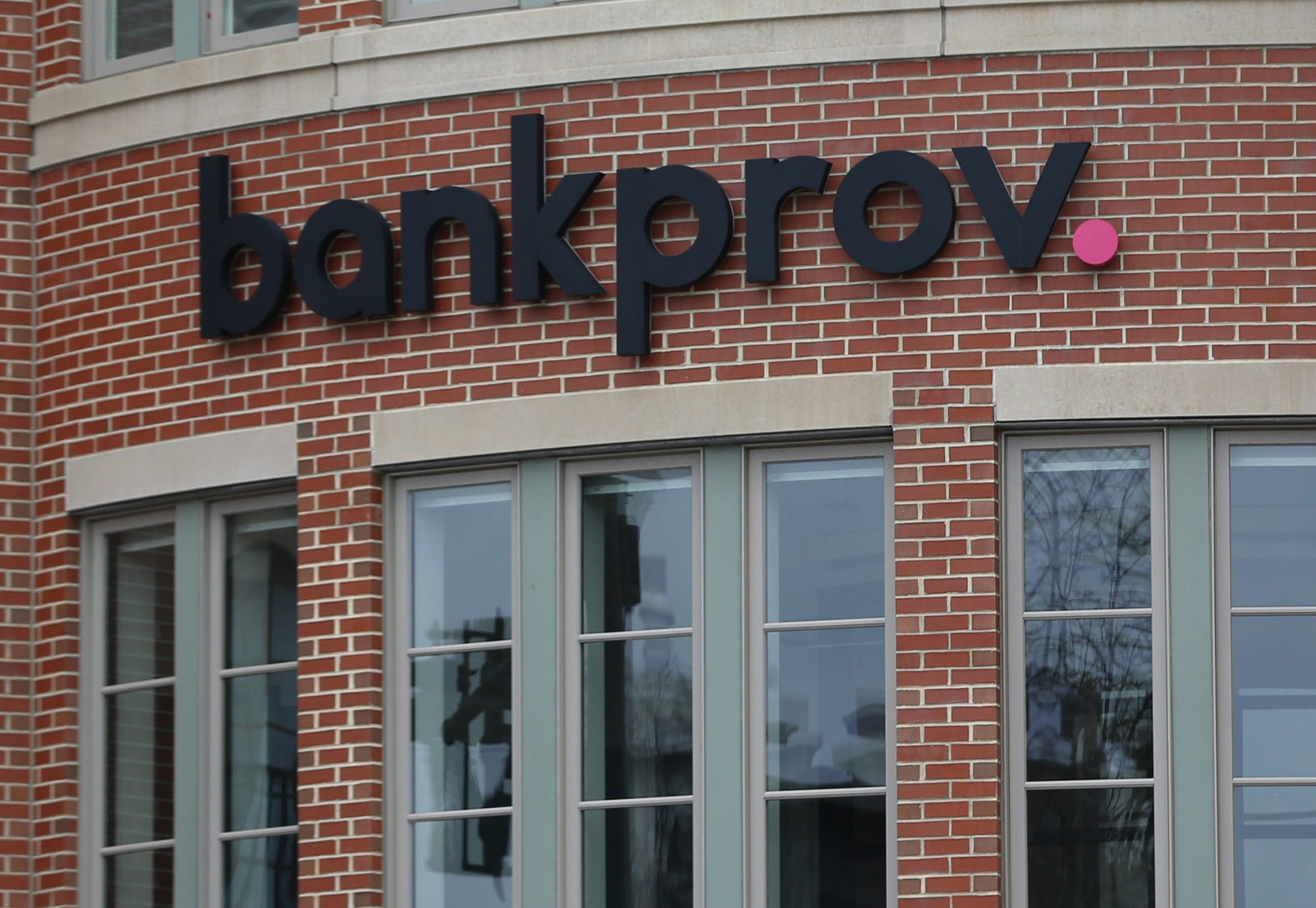
- BankProv: A US-based commercial bank offering API-powered crypto banking, unlimited deposit insurance, and tailored services for crypto businesses. Known for its experience with blockchain companies and robust compliance support.
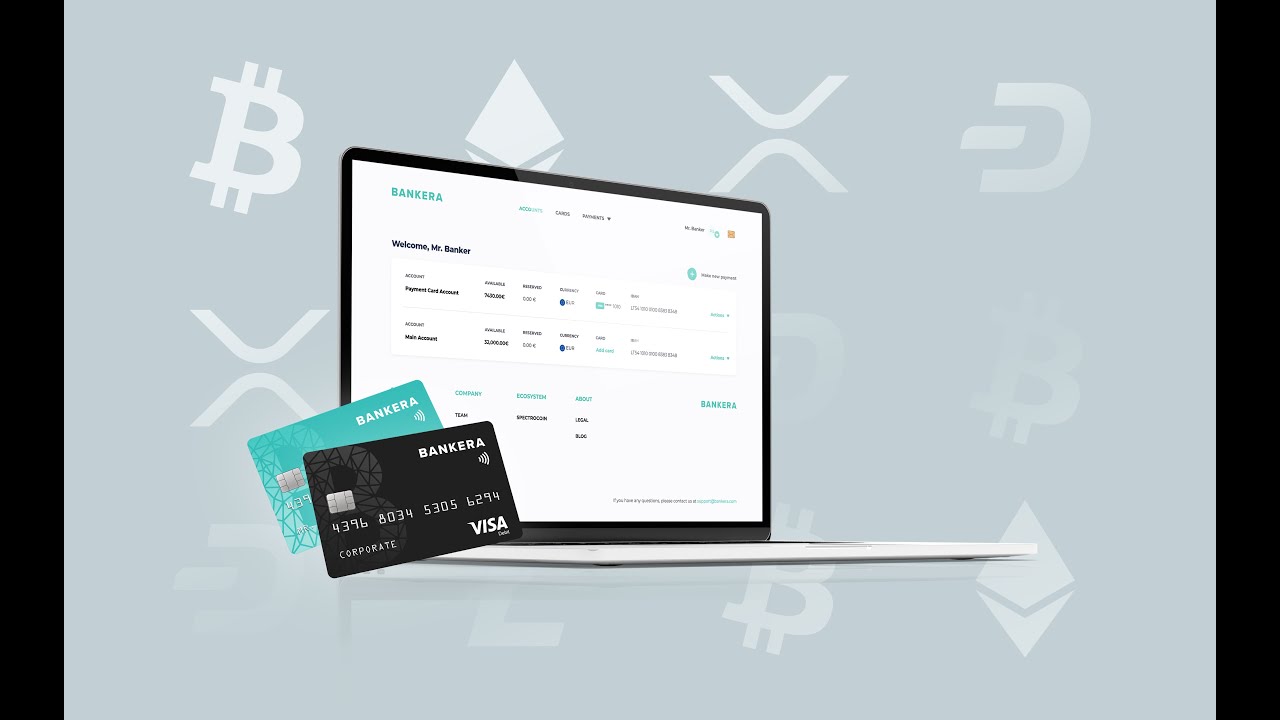
- Bankera: European digital bank providing business accounts for crypto exchanges and mining operations. Features include multi-currency IBANs, SEPA payments, and support for both fiat and crypto transactions.
- Monetum: EU/EEA-based platform offering European IBAN business accounts with SEPA access, fiat-crypto on/off ramps, and payment processing designed for crypto companies.

- Mercury: US fintech bank supporting crypto companies with USD business accounts, ACH, check, and wire transfers, plus physical and virtual debit cards. Known for a streamlined, digital-first onboarding process.

- Revolut Business: Offers multi-currency business accounts with crypto trading, payment processing, and expense management. Popular in the UK and EU for its user-friendly interface and broad currency support.

- Signature Bank (Signet platform): Although Signature Bank was acquired by Flagstar Bank, its Signet real-time payments platform remains a notable solution for institutional crypto clients seeking instant USD settlement and robust compliance.

You’ll want to compare account fees, supported currencies (both fiat and digital), customer support quality, integration options (API/webhooks), and their track record with similar clients.
Explore Monetum’s offerings here if you’re seeking EU-based solutions.
Step 3: Apply and Navigate the Due Diligence Process
Once you’ve chosen your preferred crypto bank, it’s time to initiate the application. Prepare for a rigorous due diligence process: banks will scrutinize your business model, compliance frameworks, and even the backgrounds of your leadership team. Be transparent about your sources of funds, expected transaction volumes, and the specific crypto activities you’ll engage in.
Expect requests for additional information or clarifications. The more responsive and forthcoming you are, the smoother this stage will be. Many banks now use secure digital portals for document uploads and status tracking, making communication more efficient.
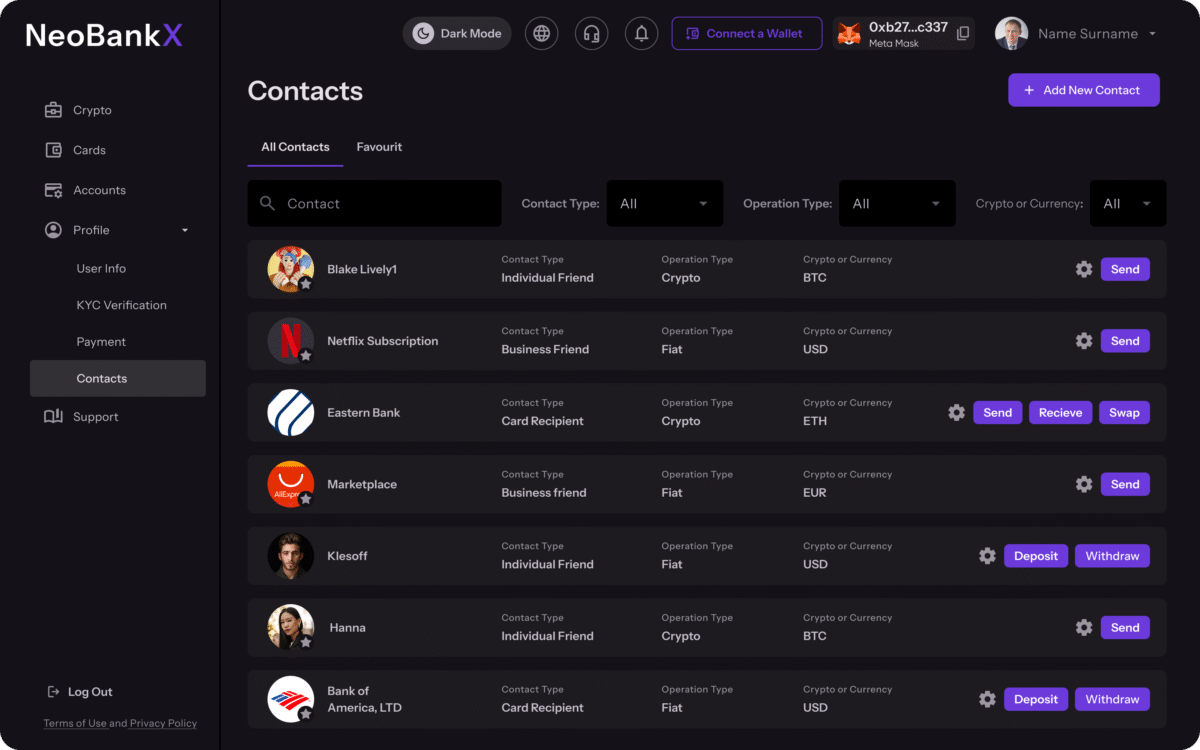
How to Submit a Business Account Application at a Crypto Bank: A Visual Guide







Step 4: Consider Alternative Banking Solutions
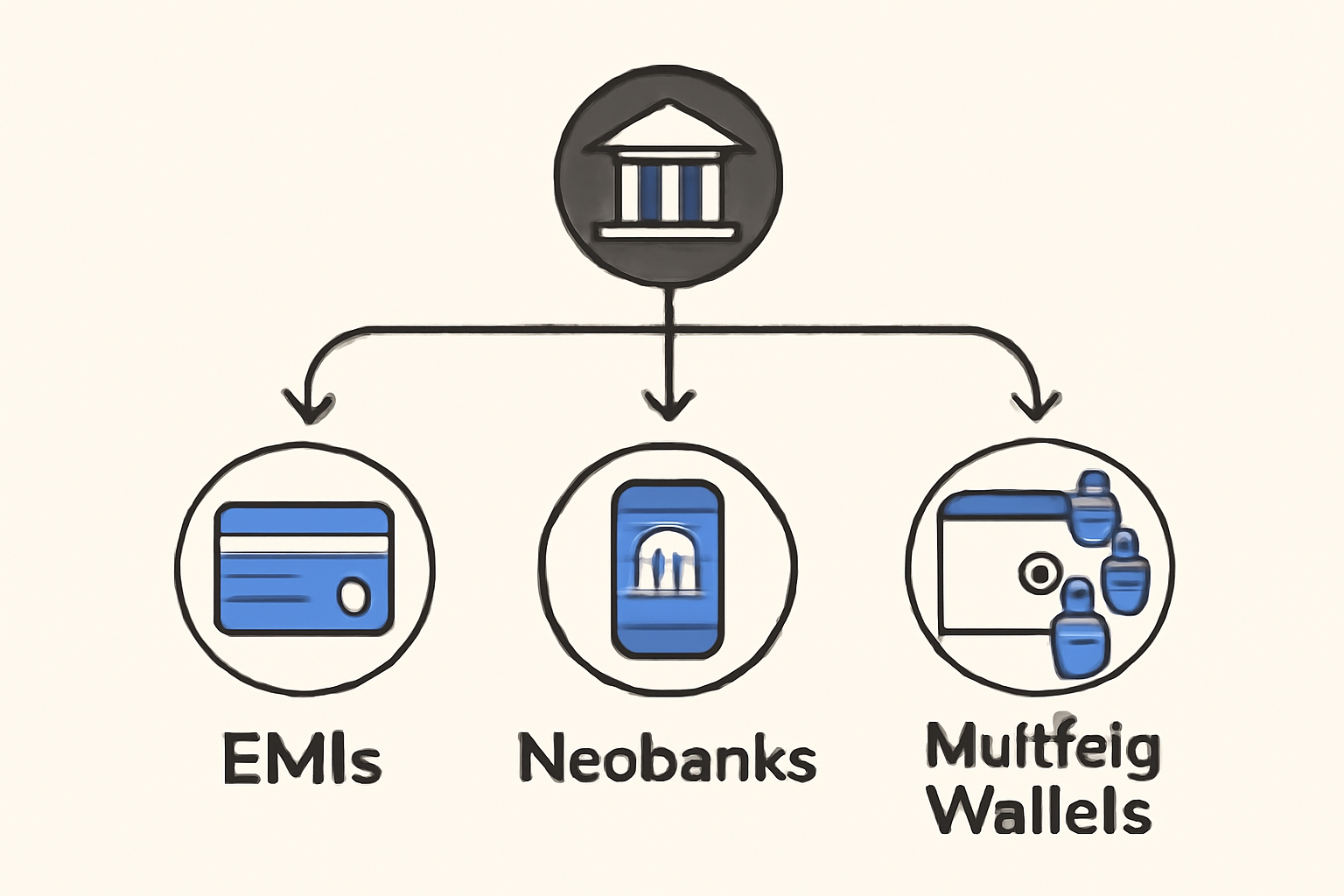
If your application is delayed or declined by traditional banks, don’t be discouraged. The ecosystem now includes Electronic Money Institutions (EMIs), neobanks, and payment platforms that cater to high-risk or innovative business models. These alternatives often offer multi-currency accounts (including both fiat and crypto), IBANs for cross-border payments, and seamless API integrations.
Some leading alternatives include:
Top Alternative Banking Solutions for Crypto Businesses
- BankProv: A leading U.S. bank offering API-driven crypto banking and unlimited deposit insurance, specifically tailored for crypto companies.

- Bankera: Provides business accounts for crypto exchanges and miners in the EU/EEA and the UK, with support for both fiat and digital assets.
- Monetum: Offers European IBAN accounts with SEPA access, designed for crypto businesses needing payment processing and fiat-crypto on/off ramps.

- Mercury: A U.S.-based digital bank providing USD business accounts for crypto companies, with support for ACH, wire transfers, and physical/virtual cards.

- Revolut Business: A global neobank offering multi-currency business accounts and crypto trading capabilities, suitable for international crypto enterprises.

- Wise Business: Known for international payments and multi-currency accounts, Wise supports crypto-related businesses in select jurisdictions.

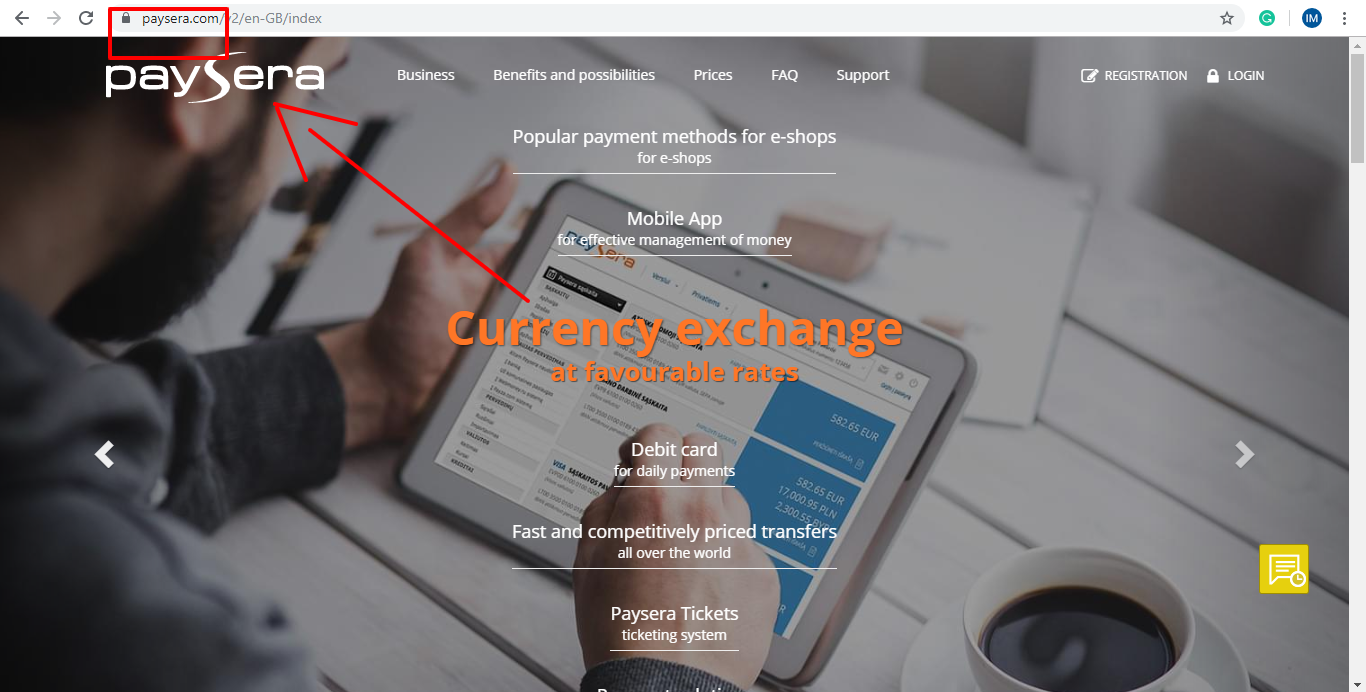
- EMIs (Electronic Money Institutions): Platforms like Paysera and Railsr (formerly Railsbank) provide flexible business accounts and payment solutions for crypto companies.
- Multi-Signature Wallets: Solutions such as Gnosis Safe offer secure, multi-approval crypto asset management for business treasury operations.
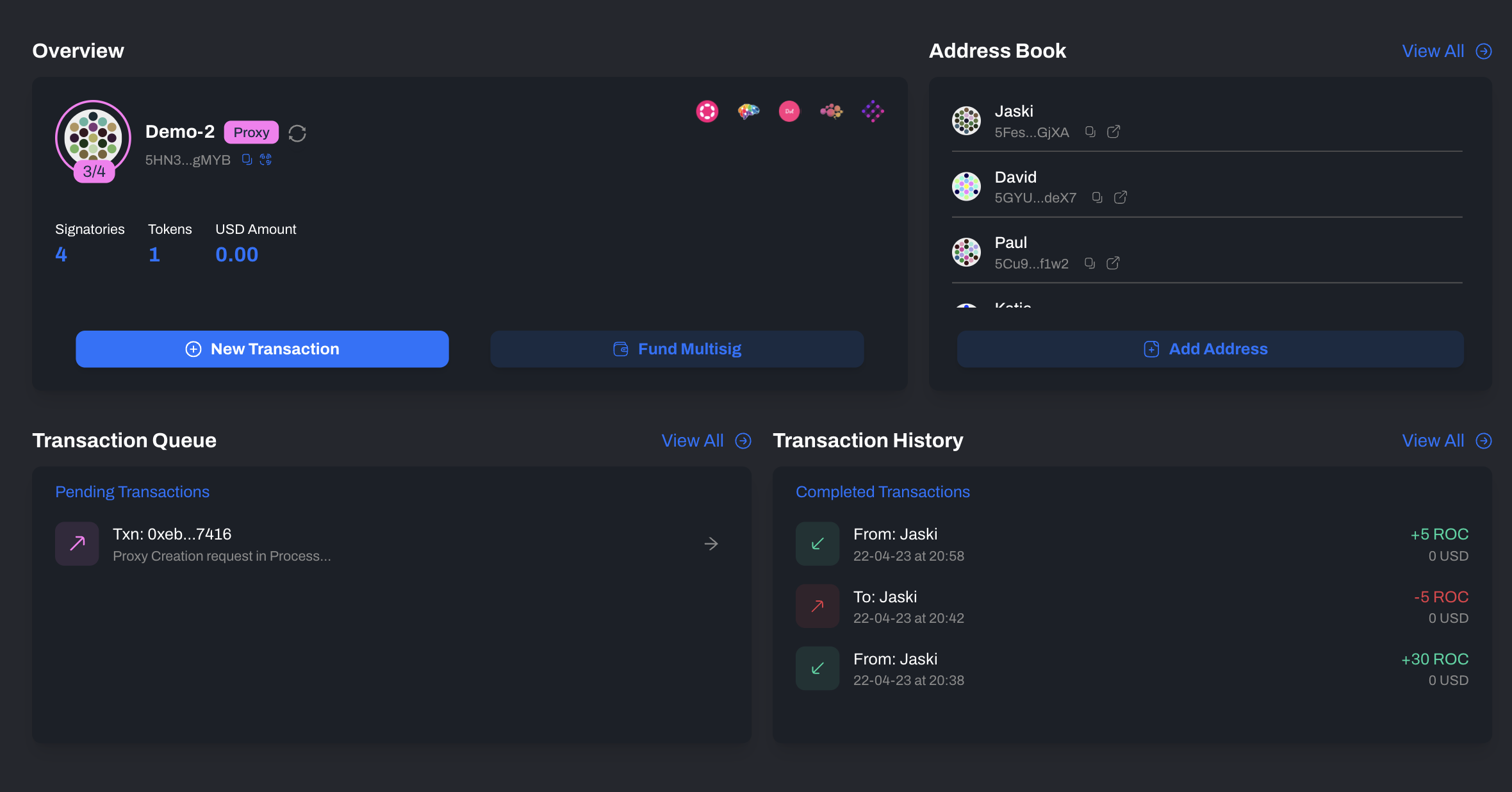
For added security when managing corporate funds on-chain, consider multi-signature wallets, these require multiple approvals per transaction, reducing risk from internal errors or external threats.
Step 5: Maintain Compliance and Build a Strong Bank Relationship
Your responsibilities don’t end at account approval. Ongoing compliance is essential, not just to satisfy regulators but also to maintain uninterrupted banking access. Regularly update your AML/KYC procedures as regulations evolve, especially if you expand into new markets or launch new products.
Establish open lines of communication with your bank’s relationship manager. Proactively disclose any major operational changes or unusual transaction patterns before they trigger compliance alerts. This approach builds trust and can help prevent unexpected account freezes or service interruptions.
The Bottom Line: Setting Up Your Crypto Bank Business Account in 2024
The landscape for crypto bank account setup is evolving rapidly, regulatory clarity is improving, more banks are entering the space, and digital onboarding tools are making applications less burdensome than ever before. Still, success hinges on preparation: airtight documentation, robust compliance policies, and choosing partners who understand crypto risk profiles.
If you’re ready to take advantage of global settlement networks, instant payments in digital assets, and future-ready treasury management tools, opening a business account with a crypto-friendly bank could be your most strategic move this year.





No comments yet. Be the first to share your thoughts!