U. S. banks have entered a new phase of crypto integration in 2024, moving decisively beyond pilot programs and limited partnerships. The landscape shifted rapidly in the wake of regulatory changes, with major financial institutions now offering robust crypto custody and payment services for both institutional and retail clients. This transformation is not just a response to client demand, but a calculated bet on the future of digital assets as a core component of modern banking.

Regulatory Clarity Fuels Crypto Custody Momentum
The biggest catalyst for this surge has been regulatory clarity. In March 2025, the OCC issued a pivotal interpretative letter allowing banks to engage in cryptocurrency-related activities without prior approval, provided they maintain rigorous risk controls. The FDIC soon followed, rescinding restrictive guidance and giving banks greater freedom to pursue crypto custody, stablecoin issuance, and digital payments. The SEC’s decision to rescind Staff Accounting Bulletin 121 in January 2025 further removed compliance hurdles, restoring banks’ ability to custody crypto assets under established safeguards.
This regulatory green light triggered a wave of product launches and service expansions. By mid-2024, U. S. banks collectively held nearly $16 billion in crypto assets under custody, a figure that continues to climb as institutional investors seek compliant, insured storage for Bitcoin, Ethereum, and tokenized funds.
Bank-Led Crypto Custody: From Niche to Mainstream
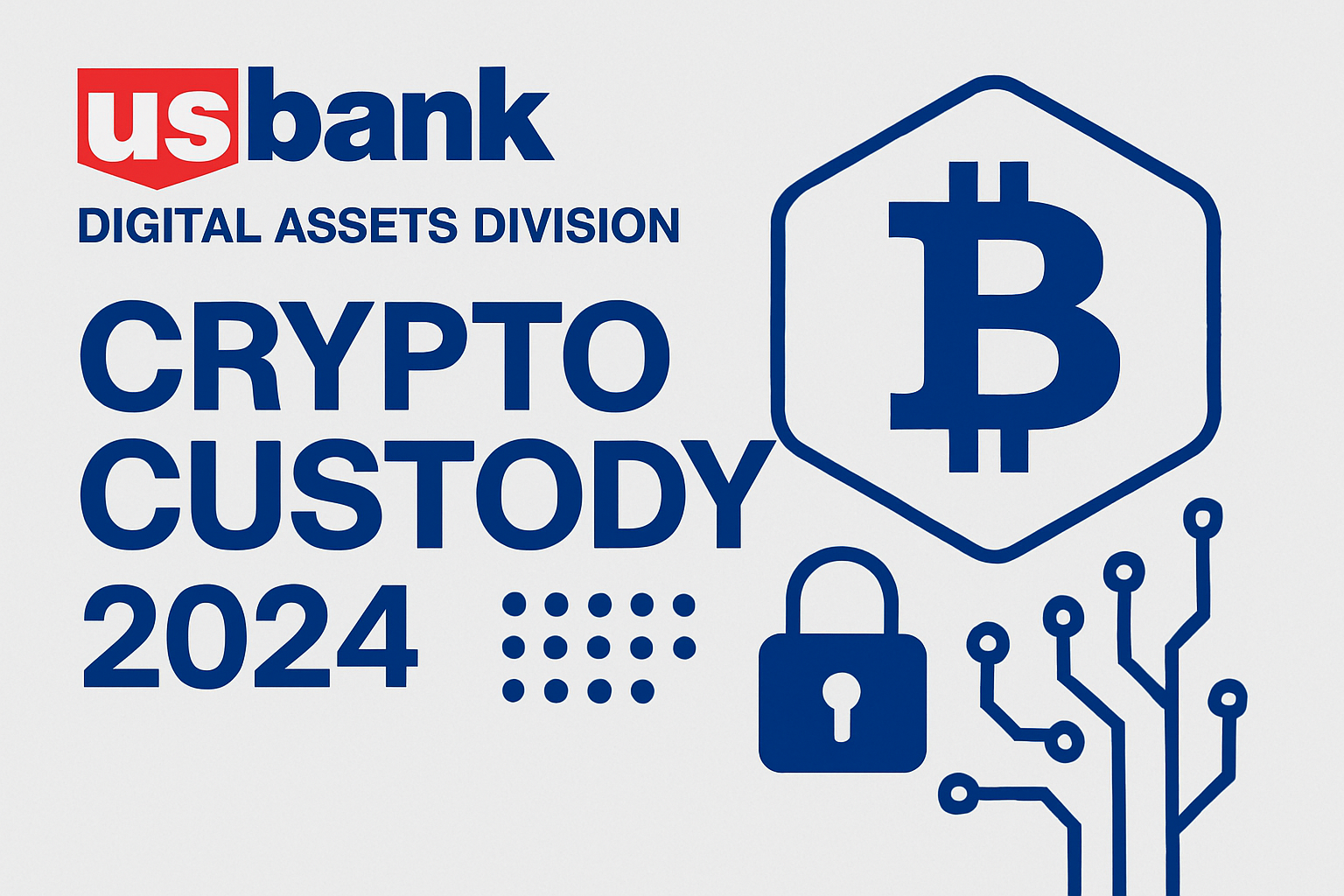
U. S. Bank, a pioneer among regulated banks, relaunched its Bitcoin custody service for institutional investment managers in September 2025, partnering with NYDIG as sub-custodian. The offering now includes custody for Bitcoin ETFs and other digital asset vehicles, leveraging investment-grade security and risk management frameworks. According to U. S. Bank, these solutions are designed to meet the standards of pension funds, endowments, and asset managers who demand both regulatory compliance and operational resilience.
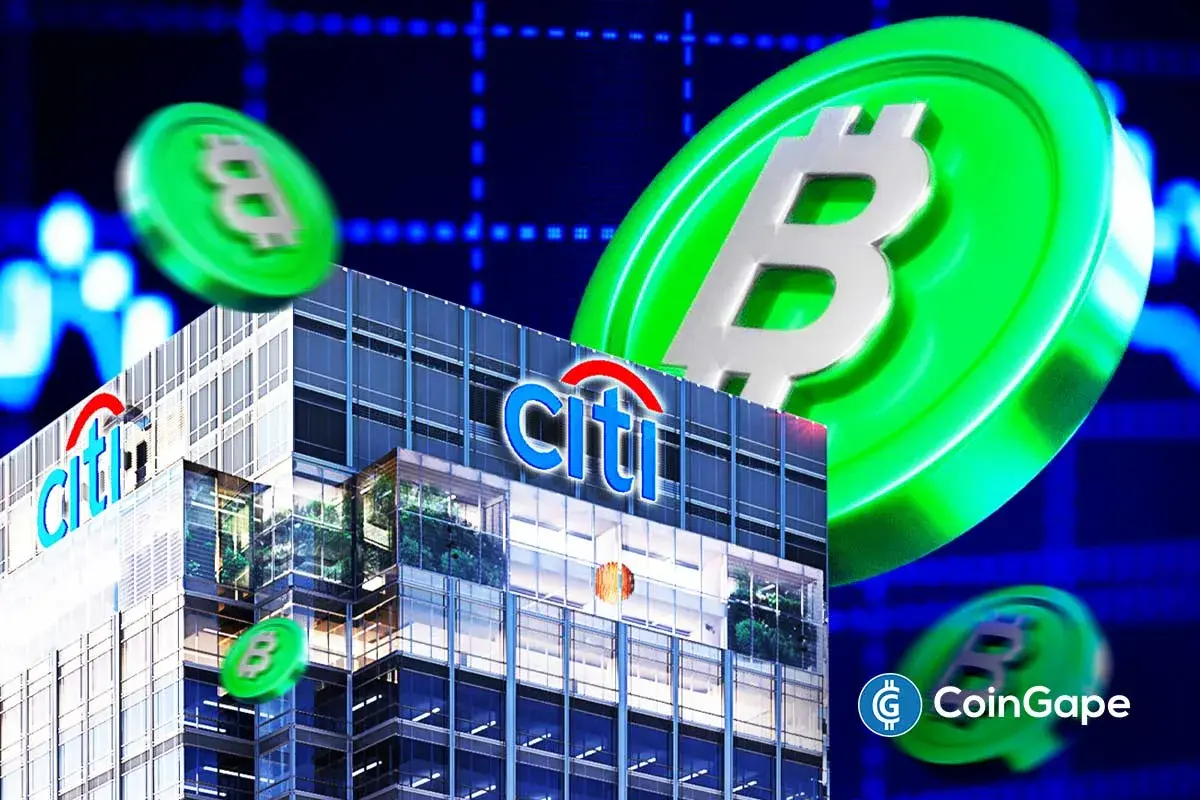
Citigroup has also moved aggressively, exploring custody solutions for assets backing stablecoins and crypto ETFs. The bank is piloting stablecoin-based payment rails to speed up settlement and reduce friction in cross-border transactions, a move that could set a new standard for institutional money movement. Meanwhile, JPMorgan’s partnership with Coinbase has enabled Chase credit card holders to purchase crypto directly, with plans underway for seamless account linking and USDC stablecoin rewards, blurring the line between traditional and digital finance.
Top U.S. Banks Rolling Out Crypto Custody & Payment Services in 2024
- U.S. Bank relaunched its Bitcoin custody services for institutional clients in September 2025, partnering with NYDIG as sub-custodian. In October 2025, it formed a dedicated Digital Assets and Money Movement division focused on stablecoin issuance, crypto custody, asset tokenization, and digital fund transfers.
- Citigroup explored providing custody for assets backing stablecoins and crypto ETFs in 2024, and is considering stablecoin-based payment solutions to enhance settlement speeds and efficiency for institutional clients.
- JPMorgan Chase partnered with Coinbase in 2024 to enable customers to use Chase credit cards for cryptocurrency purchases. The bank plans to allow direct account linking and reward redemption in USDC stablecoins for its clients.
Crypto Payment Integration: Beyond Custody
Custody is only one side of the equation. In 2024, payment integration has become a strategic focus for banks seeking to retain clients who are increasingly transacting in digital assets. U. S. Bank’s dedicated digital assets and money movement division, launched in October 2025, now offers stablecoin issuance, asset tokenization, and digital fund transfers. These services are designed for small businesses and corporate clients who want to streamline payroll, supplier payments, and treasury management using blockchain rails.
Citigroup’s stablecoin initiatives mirror this trend, with pilot programs aimed at reducing settlement times for institutional clients. JPMorgan’s USDC rewards program, tied to its credit card ecosystem, signals a shift toward mainstream adoption and everyday utility for digital dollars. For banks, these moves are not just about new revenue streams, they are about future-proofing their core business against fintech and crypto-native challengers.
What’s Driving Adoption? Client Demand and Competitive Pressure
The push for crypto custody and payment integration is not happening in a vacuum. Institutional investors, corporate treasurers, and high-net-worth individuals have become more vocal in their demand for secure, regulated crypto services. The approval of spot Bitcoin and Ethereum ETFs in 2024 further legitimized digital assets as investable products, prompting banks to respond with custody solutions that combine traditional safeguards with digital-first innovation.
Competitive pressure is also mounting. As more banks roll out crypto services, laggards risk losing market share to both peers and fintech upstarts. The message from the market is clear: crypto custody banks in the USA for 2024 must offer seamless integration, bulletproof security, and regulatory compliance, or risk irrelevance.
One of the more striking shifts in 2024 has been the willingness of legacy banks to directly compete with crypto-native firms, both in custody and payment infrastructure. This is no longer a matter of speculative side projects; it’s a top-down strategic imperative. For example, KeyBank and PNC Bank have launched pilot programs for business clients that allow real-time settlement using tokenized dollars, while Citi Bank’s crypto custody division is exploring interoperability with DeFi protocols to future-proof their offerings. This rapid evolution is setting a new bar for what clients expect from their banking partners.
Risks, Controls, and the Path Forward
Despite the enthusiasm, banks are acutely aware of the risks involved. The regulatory clarity achieved in 2025 did not eliminate the need for robust internal controls, if anything, it raised expectations for compliance and transparency. Cybersecurity remains paramount; multi-layered cold storage solutions, frequent audits, and insurance coverage are now standard requirements for qualified custodians.
Operational risk is also under scrutiny as banks scale up digital asset services. The integration of blockchain payment rails must not disrupt existing systems or compromise customer data privacy. As such, most major institutions are taking a staged approach: piloting new features with select clients before broader rollouts.
Looking Ahead: Crypto Banking Trends for 2025
The trajectory is clear, crypto custody and payment integration are fast becoming table stakes for U. S. banks intent on remaining competitive through 2025 and beyond. Analysts expect further expansion into staking services, lending against digital collateral, and tokenized asset management as regulatory frameworks mature.
For those evaluating providers today, whether you’re a family office seeking insured Bitcoin storage or a CFO exploring stablecoin payroll, the key is to focus on partners who combine digital expertise with traditional risk discipline. Banks that can bridge these worlds will shape the next era of financial services.





No comments yet. Be the first to share your thoughts!