

Crypto banks in the US are facing a new era of opportunity and responsibility as the Federal Reserve and other regulators dramatically shift their stance in 2024. For years, banks offering crypto services operated in a climate of cautious oversight, with layers of approvals and regulatory hoops to jump through. But this year marks a turning point: the US Federal Reserve has withdrawn key guidance that previously required banks to seek advance permission before engaging in crypto-asset activities. The message is clear - innovation is welcome, but risk management is non-negotiable.

Regulatory Reset: What Changed for Crypto Banks?
In April 2024, the Federal Reserve Board announced it was pulling back supervisory letters SR 22-6 and SR 23-8, effectively removing the requirement for banks to notify or get non-objection for crypto activities. The FDIC followed suit, rescinding FIL-16-2022. The Office of the Comptroller of the Currency (OCC) echoed this permissive stance. Now, as long as banks can demonstrate robust risk controls and compliance practices, they are free to explore digital asset services without waiting for a green light from Washington.
This regulatory reset means US financial institutions can move faster on launching Bitcoin custody solutions, stablecoin payment rails, tokenized deposits, and more. However, regulators have made it clear that these freedoms come with a catch: heightened scrutiny through standard supervisory processes. In short, no more hand-holding - but also no more excuses for lapses in security or compliance.
The GENIUS Act: Stablecoins Get Their Own Rulebook
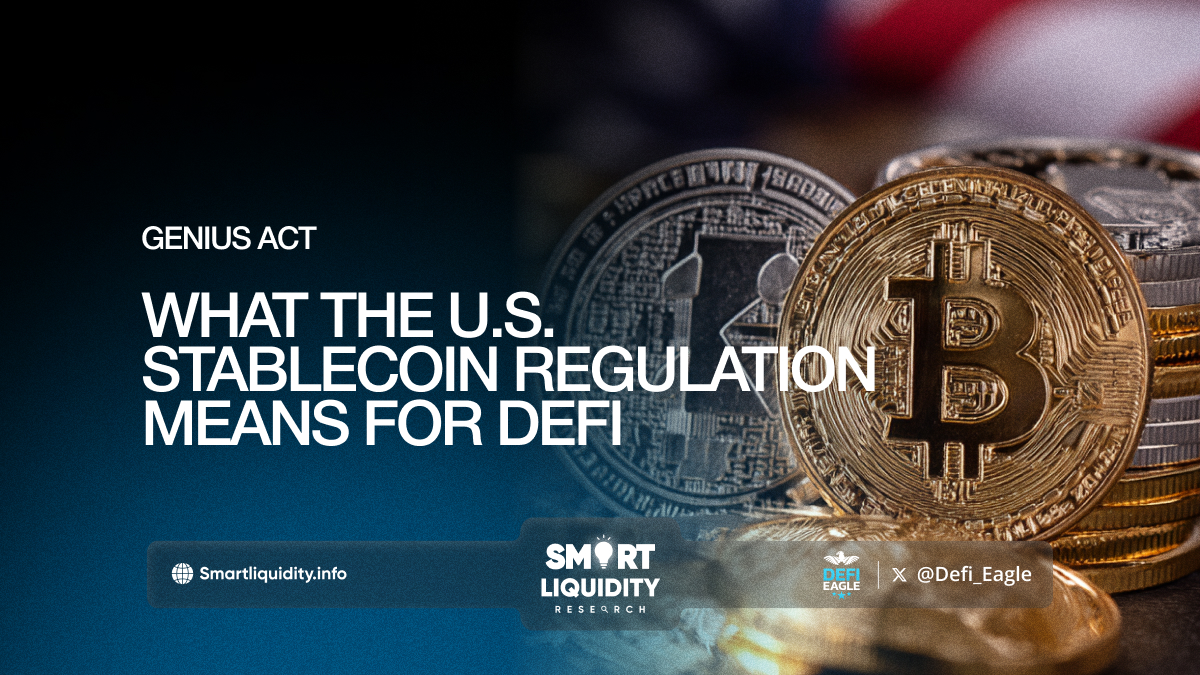
The deregulatory wave crested again in July 2025 when Congress passed the Guiding and Establishing National Innovation for U. S. Stablecoins Act (GENIUS Act). This landmark legislation creates America’s first comprehensive federal framework for stablecoins - digital tokens pegged to fiat assets like the US dollar. Under the GENIUS Act:
- Stablecoin issuers must maintain reserves in approved assets such as cash or Treasuries
- Tougher capital and liquidity standards apply to ensure solvency during market shocks
- Rigorous risk management protocols, including audits and reporting requirements, are mandatory
This act signals Washington’s intent to bring stability and confidence to dollar-backed tokens while keeping innovation alive. For crypto banks, it means new business opportunities - but also higher expectations around transparency and operational resilience.
Key Crypto Service Rules for US Banks in 2024
- Prior Approval No Longer Required: The Federal Reserve, FDIC, and OCC rescinded previous guidance, so banks can now engage in permissible crypto activities without seeking advance regulatory approval, as long as they manage risks appropriately.

- Standard Supervisory Oversight Applies: While special crypto supervision programs have ended, banks must still comply with existing laws and are subject to regular supervisory reviews for all crypto-related activities.

- GENIUS Act Sets Federal Stablecoin Standards: The GENIUS Act (2025) established clear federal rules for stablecoin issuers, including reserve requirements and risk management standards that banks must follow when offering stablecoin services.
- Risk Management Remains Critical: Banks must implement robust risk management, including anti-money laundering (AML), cybersecurity, and consumer protection measures when offering crypto services.

- Innovation Encouraged, But Compliance Required: Regulators are fostering a more open environment for digital asset innovation, but banks must ensure full compliance with all applicable federal and state laws.
Banks Offering Crypto Services: What’s Now Permitted?
The regulatory shift has already triggered a surge in interest from traditional banks eager to offer Bitcoin custody or stablecoin settlement services. Here’s what’s changed:
- Banks no longer need prior approval from federal regulators before rolling out permissible crypto activities (source)
- The focus has moved from preemptive restriction to active supervision through standard exams
- Banks must still comply with anti-money laundering (AML), know-your-customer (KYC), cybersecurity rules, and all applicable laws
- The GENIUS Act overlays additional requirements for any institution dealing with stablecoins (source)
This environment rewards agility but punishes complacency. As competition heats up among US banks Bitcoin services are becoming mainstream - but so is scrutiny from both regulators and customers.
For crypto banks, the new landscape means opportunity is finally catching up with ambition. Institutions that have been quietly building digital asset infrastructure can now launch products at scale, provided they maintain best-in-class compliance and risk management. The days of waiting months for regulatory sign-off are over - but so is the era of regulatory ambiguity. Every bank’s crypto strategy will be measured by its ability to detect, mitigate, and report risks in real time.
Risk Management and Compliance: The New Non-Negotiables
While the Federal Reserve’s withdrawal of restrictive guidance opens doors, it also sharpens the focus on risk management. Examiners are expected to drill deeper into how banks handle custody security, counterparty exposures, and operational resilience - especially as more institutions offer US banks Bitcoin services or stablecoin rails. The GENIUS Act’s requirements for stablecoin issuers will likely become a blueprint for broader digital asset oversight.
- Continuous monitoring for suspicious activity (AML/KYC) is critical
- Cybersecurity protocols must evolve to counter emerging blockchain threats
- Audit trails and transparent reporting are not optional - they’re essential to maintaining trust with both regulators and customers
- Banks should expect ongoing dialogue with supervisors as part of routine exams
This isn’t just about checking boxes: it’s about building resilient systems that can withstand market shocks or cyberattacks. With stablecoins now federally regulated under the GENIUS Act framework (source), expect similar standards to bleed into other crypto offerings over time.
Should traditional banks be required to publish real-time proof-of-reserves for their crypto assets?
With recent regulatory changes allowing banks greater freedom to engage in crypto activities, transparency and risk management remain top priorities. Requiring banks to publish real-time proof-of-reserves could boost trust, but may also introduce operational challenges. What do you think?
What Crypto Banks Need to Watch Next
The deregulatory momentum in Washington could face headwinds if there are high-profile failures or hacks involving digital assets. For now, though, the message is clear: US federal agencies want banks to innovate responsibly. That means:
- Developing agile compliance teams that can adapt as new rules emerge
- Investing in blockchain analytics and transaction monitoring tools
- Staying ahead of evolving standards from international bodies like the FATF and BIS
- Proactively educating staff and clients about both opportunities and risks in digital finance
The next frontier? Interoperability between traditional payment systems and tokenized assets. As more banks launch crypto services - from instant settlement using stablecoins to on-chain lending - collaboration with fintechs and DeFi platforms will accelerate. But remember: every new product is a potential new risk vector.
Key Takeaways for US Crypto Banks in 2024-2025
The regulatory shakeup has redefined what’s possible for American banks looking to lead in digital assets. Here’s what matters most:
- No more pre-approval needed: Banks can move faster on launching compliant crypto services.
- The GENIUS Act sets a federal standard: Stablecoins have clear rules around reserves, audits, and transparency.
- Risk management is paramount: Regulators expect robust controls, ongoing supervision, and zero tolerance for security lapses.
- Banks offering crypto services must stay nimble: The only constant is change - agility will separate leaders from laggards.
If you’re a bank executive or compliance leader eyeing this space, now’s the time to double down on technology investment, staff training, and cross-departmental coordination. The doors are open wider than ever before - but so are expectations from regulators and customers alike.





No comments yet. Be the first to share your thoughts!