Regulated crypto banks 2026 budget
Finding a bank that balances safety with crypto access in 2026 requires weighing strict regulatory compliance against the flexibility of digital asset custody. The landscape has shifted from speculative experimentation to structured integration, where institutions must navigate evolving federal guidelines while offering tangible yield and staking services. For budget-conscious investors, this means prioritizing platforms that offer transparent fee structures and insured custody solutions over those promising unregulated high returns.
The most crypto-friendly banks in the USA now operate with clear mandates. Institutions like Cash App provide accessible entry points for retail users, while specialized entities like Bank Frick cater to institutional needs with regulated access established since 2018. These banks do not merely hold assets; they integrate stablecoins and Bitcoin into traditional banking rails, allowing for seamless fiat-to-crypto conversions without exposing user funds to unregulated exchanges. This structural shift ensures that your capital remains within a framework that can withstand market volatility and regulatory scrutiny.
When evaluating these options, consider the tradeoff between accessibility and control. US-based banks often limit direct custody of private keys to mitigate risk, meaning you may rely on the bank’s custodial partners. Conversely, international regulated banks may offer greater autonomy but introduce jurisdictional complexities. The key is to identify institutions that are transparent about their custodial partners and regulatory licenses, ensuring that your staking rewards and yield are generated through compliant, auditable processes rather than opaque lending arrangements.
Shortlist real options
Finding a bank that genuinely supports cryptocurrency without exposing you to regulatory gray areas requires looking past marketing claims. In 2026, the landscape has split into distinct categories: traditional US banks that offer limited exposure, specialized offshore institutions with full custody, and fintech hybrids that bridge the gap. Understanding these differences is essential for safe staking and yield generation.
US-Based Hybrid Banks
Traditional US banks like JPMorgan Chase and Bank of America have not launched full-service crypto custody. Instead, they partner with fintechs or offer indirect exposure through investment products. For consumers seeking direct bank-level integration, Cash App and PayPal remain the most accessible options. These platforms allow users to buy, sell, and hold Bitcoin and Ethereum directly within their banking interface, though they often restrict withdrawals to external wallets or limit stablecoin utility to internal transfers. This "walled garden" approach offers convenience but sacrifices true ownership.
Offshore Regulated Institutions
For institutional investors and high-net-worth individuals seeking true custody, offshore banks like Bank Frick in Liechtenstein and Baunat Bank in Belgium provide regulated access. These institutions have been operating in the crypto space since 2018, offering full fiat and digital asset accounts under strict EU and Swiss regulatory frameworks. They support a wider range of assets, including XRP and various stablecoins, and allow for direct blockchain interactions. The trade-off is higher minimum deposits and a more complex onboarding process involving thorough KYC/AML checks.
Comparison of Top Options
The table below compares the strongest regulated crypto banking options available in 2026. It highlights key differentiators such as regulatory jurisdiction, asset support, and target audience.
| Institution | Jurisdiction | Key Assets | Best For |
|---|---|---|---|
| Cash App | USA | BTC, ETH | Beginners |
| Bank Frick | Liechtenstein | BTC, ETH, XRP, Stablecoins | Institutional Investors |
| Baunat Bank | Belgium | BTC, ETH, XRP | High-Net-Worth Individuals |
| JPMorgan Chase | USA | Indirect via Investment Products | Traditional Banking Integration |
Choosing the Right Fit
Your choice depends on your primary goal: convenience or control. If you need seamless integration with your daily spending and are comfortable with platform-held assets, US-based fintechs like Cash App are sufficient. However, if you require true self-custody, support for altcoins like XRP, or institutional-grade security, a regulated offshore bank is the only viable path. Always verify the institution’s regulatory status with local authorities before depositing funds.
How to inspect a crypto bank
Most crypto banking failures happen at the edges, not the core. When a bank blocks your withdrawal or freezes your stablecoins, the damage is immediate and often irreversible. You need to verify the mechanical links between your crypto wallet and the bank account before committing significant capital.
Use this inspection sequence to spot the expensive failure points. Treat each step as a gate; if a bank fails one, move on.
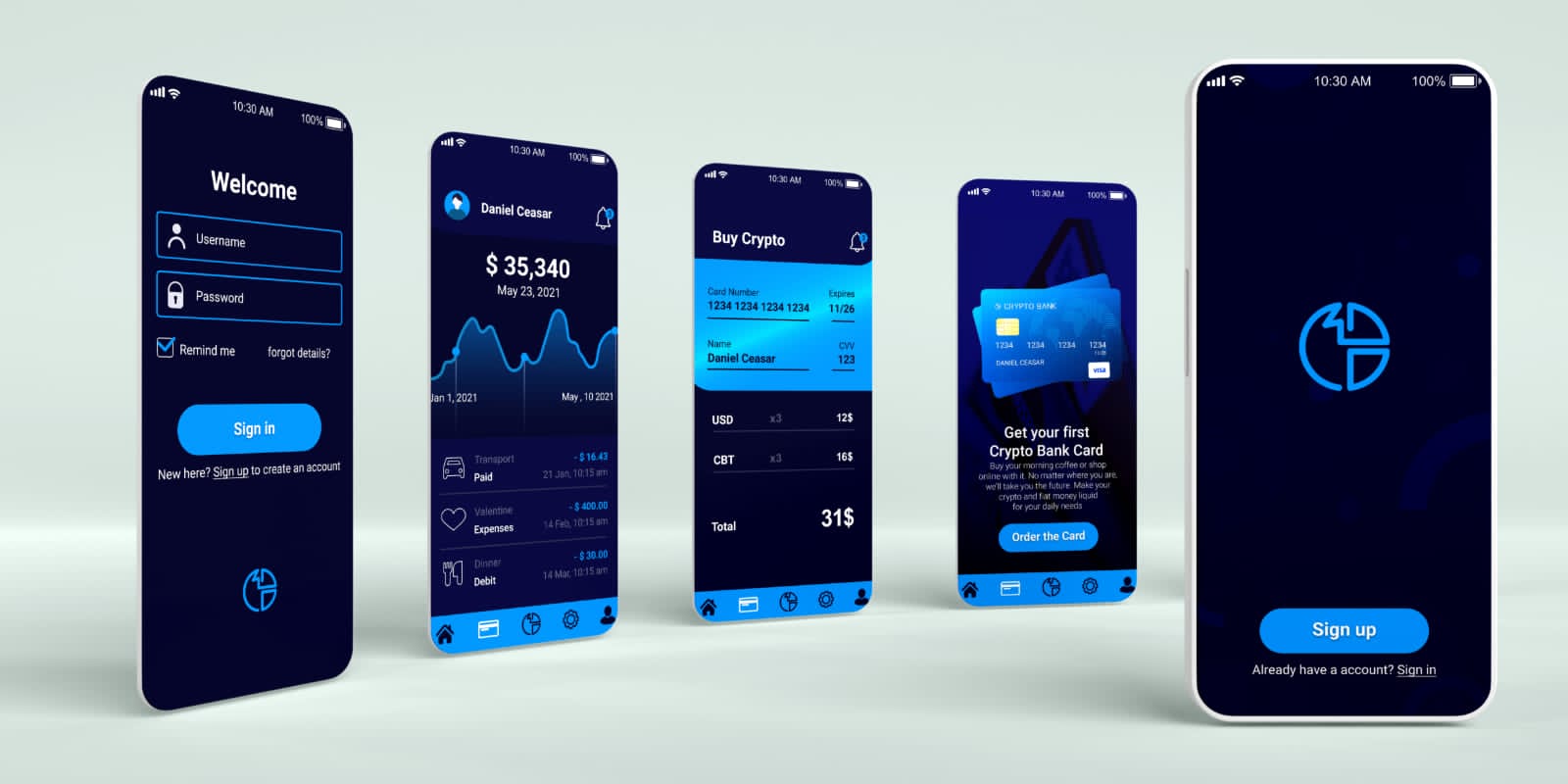
Check if the bank allows outgoing transfers to crypto exchanges or self-custody wallets. Many institutions allow deposits but block withdrawals entirely. Look for explicit language in their terms of service regarding "digital asset transfers." If the policy is vague, assume it is blocked.
Not all banks treat USDC and USDT the same. Some block USDT due to regulatory concerns, while others only support USDC. Confirm which specific stablecoins are accepted for both deposit and withdrawal. A bank that accepts USDC but blocks USDT withdrawals creates a liquidity trap.
Review daily and monthly transfer caps. Crypto banks often impose lower limits for crypto-related transactions than for standard wire transfers. Ensure the limits align with your intended volume. A $5,000 daily cap is useless for active traders or those moving larger sums.

Understand what triggers a manual review. Some banks flag any transaction involving a known exchange address. Others monitor for high-frequency trading patterns. Ask how long a held account typically stays frozen during a review. A 30-day hold can be fatal to a time-sensitive trade.
Plan for ownership costs
A low purchase price often masks higher long-term expenses. When you hold crypto outside a regulated bank, you are responsible for the security infrastructure that institutions absorb. This ownership cost includes hardware, insurance premiums, and the time spent managing keys. If a cold wallet is lost, the asset is gone forever; there is no customer service to reset a password.
Maintenance surprises can erode returns quickly. Hardware wallets require firmware updates, and exchange accounts may charge dormant fees or withdrawal spreads. Staking rewards might look attractive, but network slashing risks or validator downtime can reduce the net yield. Always calculate the net annual percentage yield (APY) after subtracting these hidden operational costs.
A cheap buy stops being cheap when the cost of security exceeds the asset's growth. For most retail investors, the convenience and insurance of a regulated institution justify the management fees. You are paying for the peace of mind that your assets are backed by legal recourse and professional custody.


As an Amazon Associate, we may earn from qualifying purchases.
Regulated crypto banks 2026: what to check next
Navigating the intersection of traditional finance and digital assets requires clarity on what is actually available in 2026. The following answers address the most common objections and practical concerns regarding regulated crypto banking.

No comments yet. Be the first to share your thoughts!