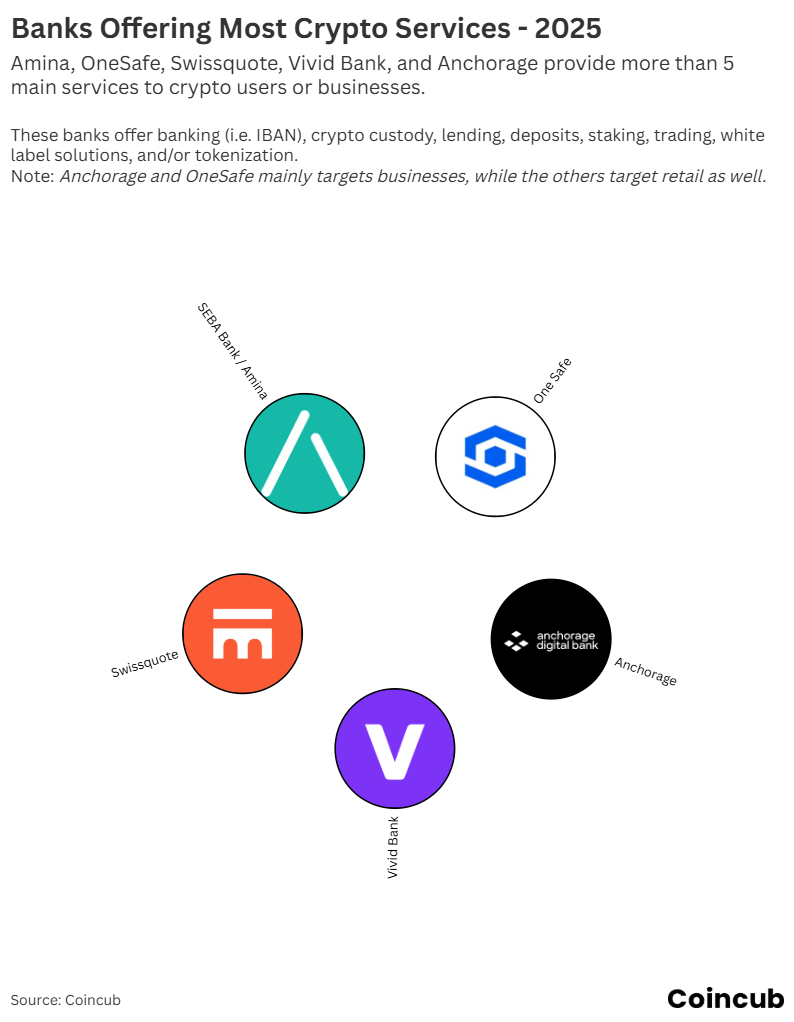
5 Crypto Banks in 2026: Safe, Regulated & High-Yield Options for Beginners
By 2026, regulatory clarity has transformed crypto banking from a speculative gamble into a structured financial utility. This roundup identifies five institutions that combine FDIC-eligible custodial solutions with compliant yield products, prioritizing verified security over abstract promises.
1. Coinbase: Best overall platform for beginners
Coinbase simplifies crypto entry with an intuitive interface designed for newcomers. Its regulated status and straightforward buying process make it a reliable starting point. The platform offers essential educational resources through Learn and Earn, helping users understand market basics while earning small crypto rewards. This approach lowers the barrier to entry for those new to digital assets.
2. Kraken: Best for security and advanced features
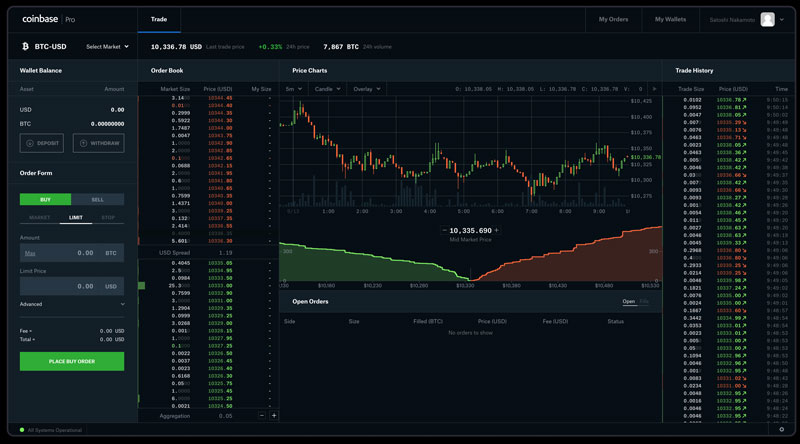
Kraken prioritizes robust security with a long track record of protecting user funds. It offers advanced trading tools, margin options, and staking capabilities for experienced investors. The platform’s transparent proof-of-reserves model builds trust among serious traders. Its fee structure scales with volume, benefiting high-frequency traders who need cost-effective execution for complex strategies.
3. Crypto.com: Best for high-yield savings
Crypto.com stands out for its high-yield savings options on stablecoins and select cryptocurrencies. Users can earn competitive interest rates by locking assets in flexible or fixed-term plans. The platform also offers a Visa card that rewards crypto spending with cashback. This combination of yield generation and everyday utility makes it attractive for those seeking passive income from their digital holdings.
4. Revolut: Best for multi-currency trading
Revolut integrates crypto trading seamlessly into its popular multi-currency banking app. Users can buy, sell, and hold various cryptocurrencies alongside traditional fiat currencies. This all-in-one approach simplifies financial management by consolidating assets in a single interface. The platform’s real-time exchange rates and instant transfers make it convenient for frequent traders who value efficiency and accessibility.

5. Gemini: Best for institutional-grade security
Gemini focuses heavily on security, offering insurance coverage for digital assets held on the platform. It provides a custodial service suitable for both individual and institutional investors seeking peace of mind. The platform’s compliance with strict regulatory standards ensures a secure trading environment. Gemini’s straightforward fee structure and reliable customer support further enhance its appeal for security-conscious users.

How we picked the best crypto banks
Selecting a crypto bank requires balancing traditional banking safeguards with digital asset accessibility. We evaluated platforms based on four strict criteria: regulatory compliance, security infrastructure, yield transparency, and ease of use for beginners. This approach ensures that the five platforms listed are not just convenient, but genuinely safe for storing and growing crypto holdings.
Regulation is the non-negotiable foundation. We prioritized institutions that hold clear regulatory licenses in major jurisdictions such as the US, EU, and UK. This means your funds are subject to oversight, and the platform cannot simply disappear with your assets. For context, traditional US banks like Ally and Chase are increasingly supporting crypto via integrations with exchanges like Coinbase, but for a dedicated "crypto bank" experience, we looked for entities with specific digital asset charters or partnerships.
Security and yield go hand in hand. High yields often signal high risk. We filtered out platforms offering unrealistic returns, focusing instead on those that generate yield through transparent, low-risk mechanisms like staking or lending to regulated institutions. We also verified that these platforms offer robust security features, including cold storage for the majority of assets and multi-signature withdrawals.
Usability was the final filter. The best crypto bank is useless if it is too complex to use. We tested the onboarding process, fee structures, and customer support responsiveness. The goal was to identify platforms that feel as intuitive as a standard banking app while providing the unique benefits of crypto, such as 24/7 access and competitive interest rates.
Compare top crypto banks side by side
Choosing the right platform depends on your specific needs. The table below compares five leading options on trading fees, security standards, and supported assets. Kraken offers the lowest maker fees for active traders, while Coinbase provides the most intuitive interface for beginners. Crypto.com and Gemini focus on security and asset diversity, respectively.
| Platform | Trading Fees | Security | Supported Assets |
|---|---|---|---|
| Kraken | 0.16% maker / 0.26% taker | Cold storage, proof of reserves | 200+ cryptocurrencies |
| Coinbase | 0.4% - 1.5% | FDIC insured cash, cold storage | 200+ cryptocurrencies |
| Crypto.com | 0.4% maker / 0.07% taker | Multi-party computation, cold storage | 250+ cryptocurrencies |
| Gemini | 1.49% - 0.35% | 100% cold storage, NYDFS regulated | 100+ cryptocurrencies |
| Revolut | 0.1% - 1.5% | Cold storage, insurance up to €110k | 25+ cryptocurrencies |
Checklist for choosing a crypto bank
Selecting the right platform requires verifying three core pillars: regulatory status, security infrastructure, and fee transparency. Treat this process like a pre-flight inspection; skipping a single check can lead to significant friction later.
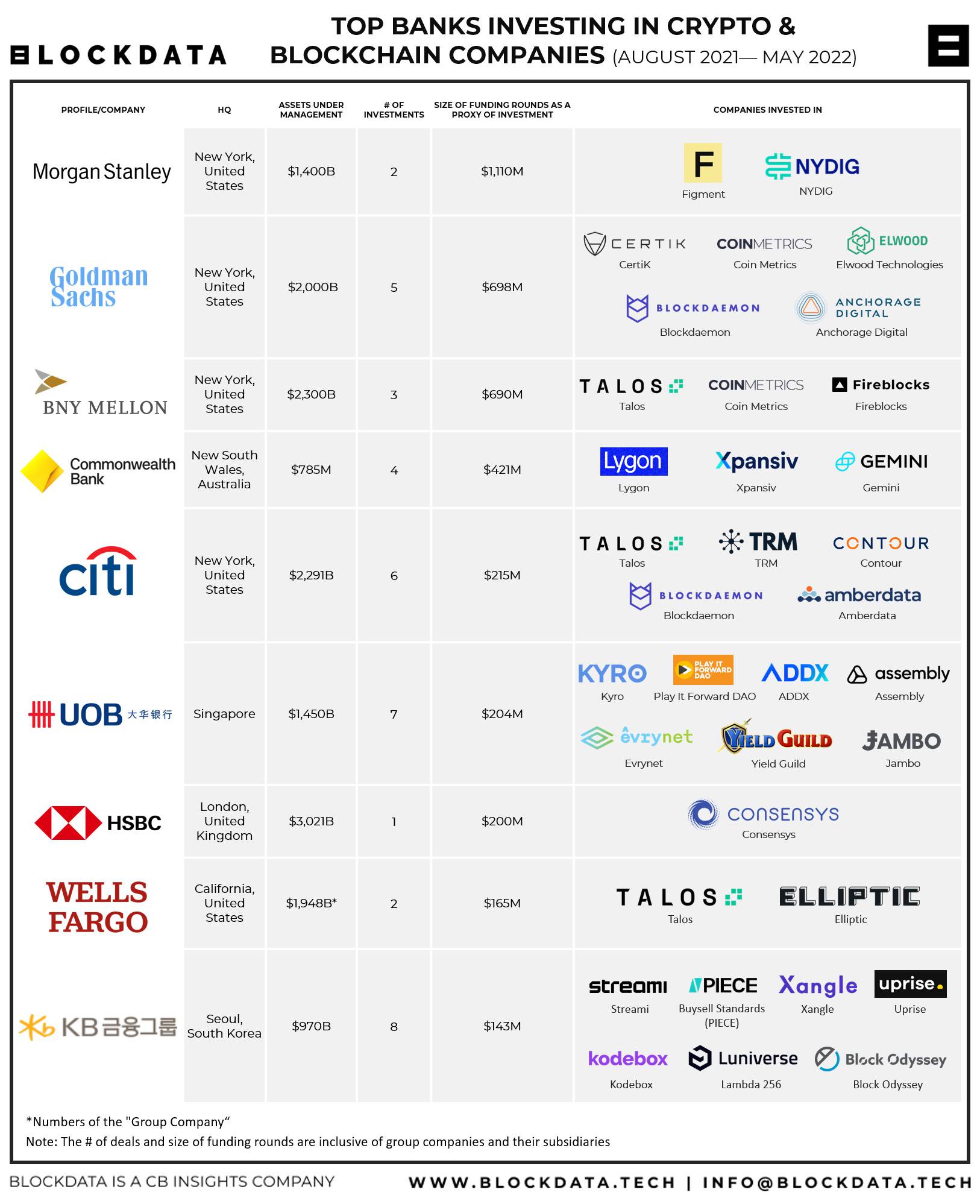
Confirm the platform is registered with relevant financial authorities. Major providers like Kraken operate with strict compliance measures, while others may offer higher yields at the cost of regulatory oversight. Check for public audit reports or government licensing.

Look beyond the headline interest rate. Deposit fees, withdrawal costs, and inactivity charges can erode your returns. Coinbase and Revolut are popular for their straightforward fee models, but always read the fine print to understand the total cost of holding crypto.
Ensure the platform offers two-factor authentication (2FA) and cold storage for the majority of user funds. Security is the foundation of trust. Avoid platforms that store all user assets in hot wallets connected to the internet.
Use a demo account or small deposit to explore the app. A confusing interface often leads to costly mistakes. Beginners should prioritize platforms like Uphold or Coinbase for their intuitive design and clear educational resources.


As an Amazon Associate, we may earn from qualifying purchases.

No comments yet. Be the first to share your thoughts!