Regulated crypto banks 2026 budget
Finding a bank that balances strict regulation with accessible crypto services in 2026 requires looking at the full cost of banking, not just the headline fee. The budget for crypto banking now includes compliance overhead, custody fees, and the liquidity spreads inherent in fiat-to-crypto transfers. Traditional banks that have adopted crypto infrastructure often pass these costs to consumers through wider bid-ask spreads or higher minimum balance requirements.
When comparing options, prioritize institutions that offer transparent fee schedules for both fiat deposits and crypto withdrawals. Banks like Ally Bank and Cash App provide straightforward integration, but their crypto trading spreads can exceed those of dedicated exchanges. Conversely, specialized crypto-native banks often charge explicit custody fees that add up quickly for larger balances. The most cost-effective approach usually involves using a highly regulated bank for fiat storage and a separate, compliant exchange for active trading, minimizing the friction of internal bank-crypto bridges.
The regulatory landscape in 2026 has forced many institutions to raise the bar for account holders. Expect higher due diligence requirements and potential restrictions on certain stablecoin transactions. While this adds friction, it also provides a layer of security that unregulated platforms cannot match. For most users, the best strategy is to choose a bank with low fiat transaction fees and use a separate, low-cost crypto wallet for long-term holding, rather than relying on a single hybrid institution for all operations.


As an Amazon Associate, we may earn from qualifying purchases.
Shortlist real options
Finding a crypto bank in 2026 means navigating a split landscape. Traditional US banks like Chase and Capital One remain largely hostile to digital assets, while fintech giants like Revolut and Ally Bank have integrated crypto services directly into their main apps. Meanwhile, new charter holders like Ripple and Paxos are building regulated banking subsidiaries to offer institutional-grade custody and fiat rails.
The following table compares the strongest regulated crypto banks for secure staking and fiat transfers. We focus on regulatory standing, asset support, and transfer capabilities rather than speculative features.
| Bank / Entity | Regulatory Status | Key Assets | Fiat Transfers |
|---|---|---|---|
| Revolut | EU/UK Regulated Fintech | BTC, ETH, Stablecoins | Instant SEPA/GBP |
| Ally Bank | US FDIC Insured | Bitcoin, Ethereum, Stablecoins | ACH/Wire (Crypto-linked) |
| Ripple (Charter Holder) | US OCC Conditional Charter | XRP, USD, EUR | Real-time Cross-border |
| Paxos Trust Company | US NYDFS Regulated | BTC, ETH, BUSD, USDP | Institutional Wire/ACH |
| Circle (Charter Holder) | US OCC Conditional Charter | USDC, Fiat | Real-time USD Settlement |
Revolut and Ally Bank represent the easiest entry points for retail users. Revolut offers instant stablecoin transfers within its ecosystem, while Ally Bank allows US customers to buy and sell Bitcoin directly from their savings accounts. For institutional needs, Paxos and the newly chartered entities like Ripple provide the regulatory certainty required for large-scale custody and compliance.
Inspect the expensive parts
Before funding an account, verify the infrastructure holding your assets. A crypto bank’s stability depends on how it manages custody, liquidity, and regulatory compliance. Miss these details, and you risk frozen funds or regulatory shutdowns.


Ownership costs: when cheap buys stop being cheap
The sticker price of a crypto banking solution is rarely the final cost. Hidden fees, compliance overhead, and operational friction often erode the initial discount. A platform that charges zero for staking might charge premium rates for fiat on-ramps, while a "free" hardware wallet may require expensive software subscriptions to unlock full security features.
Maintenance and compliance surprises
Regulatory shifts in 2026 mean that "free" services are increasingly subsidized by data usage or limited functionality. Users must account for the time cost of verifying identities, managing multi-signature keys, or rebalancing portfolios across fragmented exchanges. If a bank freezes assets during a regulatory audit, the opportunity cost of lost staking rewards can exceed any saved fees.
Evaluating total cost of ownership
Compare platforms using a total cost of ownership (TCO) model. Include:
- Transaction fees for deposits and withdrawals
- Staking rewards vs. platform spreads
- Custody fees for cold storage solutions
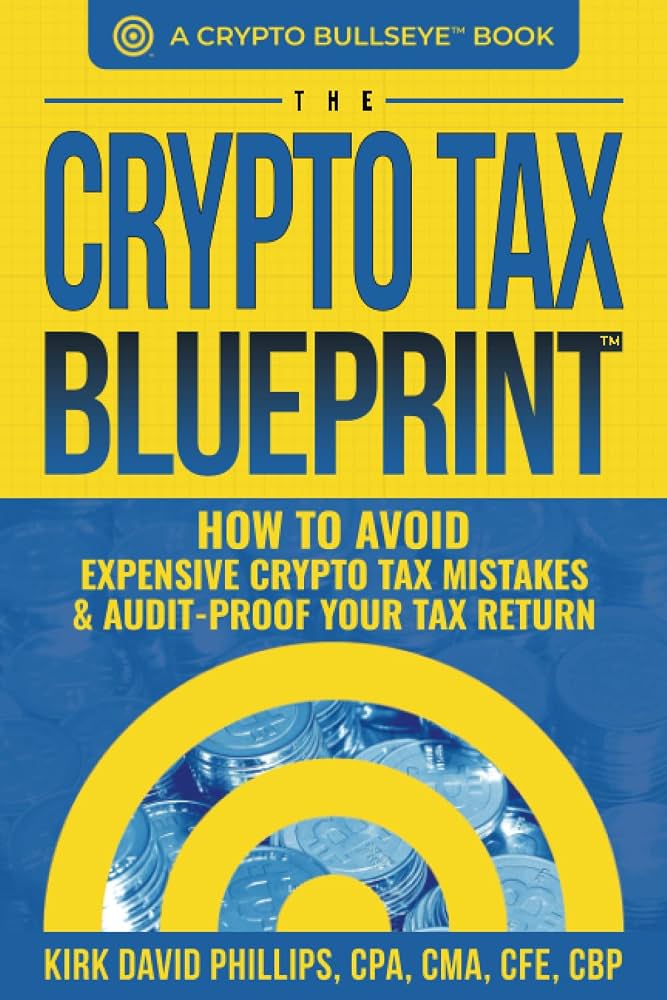
- Potential tax reporting software costs
A slightly higher upfront cost for a regulated, user-friendly platform often pays off in reduced stress and fewer hidden charges. Prioritize transparency over the lowest headline price.


As an Amazon Associate, we may earn from qualifying purchases.

No comments yet. Be the first to share your thoughts!