Best Crypto Banks for 2026 Budget
Choosing a crypto bank in 2026 means balancing fees, security, and ease of use. The market has shifted from speculative hype to regulated, practical financial tools. For most users, the priority is finding a platform that supports fiat-to-crypto transfers without hidden costs or complex verification hurdles.
When evaluating platforms, focus on three concrete factors: regulatory compliance, transaction fees, and asset coverage. Reputable exchanges like Coinbase and Kraken dominate the beginner and advanced markets respectively, offering clear fee structures and robust security. Avoid platforms that lack clear licensing or promise unrealistic returns.
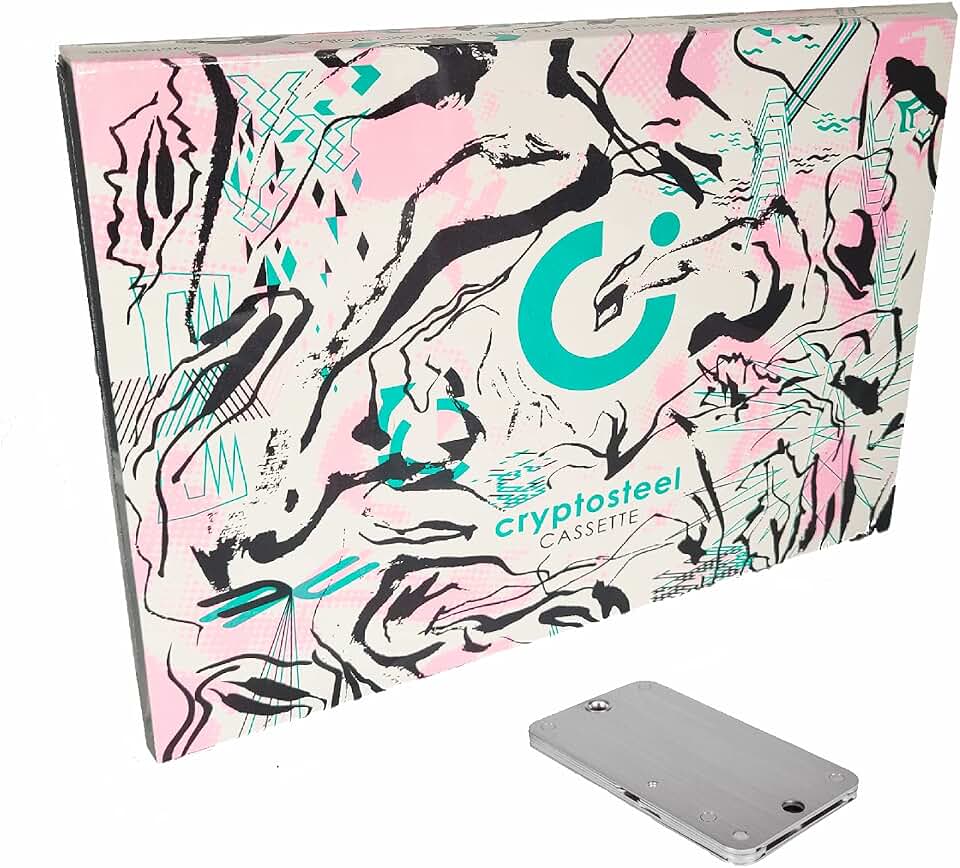
For physical hardware or accessories that support secure crypto management, consider reputable brands available on Amazon. These tools can complement your digital strategy by providing an additional layer of security for your private keys.


As an Amazon Associate, we may earn from qualifying purchases.
The right choice depends on your specific needs. Beginners should prioritize user-friendly interfaces and educational resources, while advanced users may prefer lower fees and broader asset selection. Always verify the platform’s regulatory status in your jurisdiction before depositing funds.
Shortlist real options
Finding a "crypto bank" requires distinguishing between traditional banks that dabble in crypto and platforms built for digital asset custody. In 2026, the market has consolidated around regulated exchanges that offer fiat on-ramps, secure cold storage, and institutional-grade compliance. These platforms bridge the gap between your bank account and the blockchain, handling the heavy lifting of regulatory reporting and security.
The strongest options prioritize security and regulatory clarity over novelty. We evaluated platforms based on their track record, insurance coverage, and ease of moving fiat currency in and out. The following comparison highlights the top contenders for 2026, focusing on those that have maintained stable operations and transparent fee structures.
Coinbase remains the standard for beginners due to its public company status and straightforward interface. Kraken appeals to those who prioritize security, offering cold storage solutions and transparent proof of reserves. Uphold stands out for multi-asset trading, while Robinhood integrates crypto seamlessly for existing brokerage users. When selecting a platform, consider how you move money. Direct bank transfers (ACH/SEPA) often have lower fees but slower settlement times compared to debit card purchases. Always verify that the platform holds your fiat currency in segregated accounts and offers two-factor authentication for all withdrawals.


As an Amazon Associate, we may earn from qualifying purchases.
Inspect the expensive parts
Use this section to make the Best Crypto Banks decision easier to compare in real life, not just on paper. Start with the reader's actual constraint, then separate must-have requirements from details that are merely nice to have. A practical choice should survive normal use, maintenance, timing, and budget. If a recommendation only works in an ideal situation, call that out plainly and give the reader a fallback path.
-
Verify the basicsConfirm the core specs, condition, and fit before comparing extras.
-
Price the downsideLook for the repair, maintenance, or replacement cost that would change the decision.
-
Compare alternativesCheck at least two comparable options before treating one listing as the benchmark.
Plan for ownership costs
A low entry fee rarely tells the whole story. The real cost of holding crypto in a bank or exchange comes from the fees that accumulate while your assets sit idle or move between wallets. A platform that offers free deposits might charge steep withdrawal fees or wide spreads on conversions, turning a "cheap" buy into an expensive habit.
The hidden fees of fiat-to-crypto
When moving money from a traditional bank account to a crypto platform, you often encounter three layers of cost that aren't always obvious at sign-up:
- Deposit fees: Some banks charge for ACH transfers or wire payments to crypto exchanges. Others pass these costs to you as a percentage of the deposit.
- Conversion spreads: This is the difference between the market price and the price you actually pay. A 1-2% spread on every transaction adds up quickly compared to a flat $0.99 fee.
- Withdrawal fees: Moving crypto off-platform to a self-custody wallet can cost anywhere from a few cents to over $10, depending on network congestion and platform policy.
Maintenance and inactivity
Beyond transaction fees, consider the ongoing costs of keeping your account open. Some platforms charge monthly maintenance fees if your balance falls below a certain threshold. Inactivity fees may also apply if you haven't logged in or traded for six to twelve months. These small, recurring charges can erode your principal over time, especially for long-term holders who aren't actively trading.
When "cheap" stops being cheap
A platform with zero trading fees might seem like the best deal, but if its spreads are wide or its customer support is slow during market volatility, the total cost of ownership rises. Always calculate the total cost of a single buy-and-hold cycle: deposit + conversion + storage + withdrawal. The platform with the lowest headline fee isn't always the most economical choice.


As an Amazon Associate, we may earn from qualifying purchases.

No comments yet. Be the first to share your thoughts!