Crypto banks 2026 budget
Finding a bank account that actually supports crypto in 2026 requires balancing access fees, transfer limits, and platform reliability. Most traditional banks do not hold crypto directly; instead, they integrate with exchanges like Coinbase or Kraken. This indirect approach means your "banking" experience depends heavily on the partner platform's fees and uptime.
For a tight budget, prioritize banks with no monthly maintenance fees and free ACH transfers to your exchange accounts. Ally and Chase offer straightforward integration with major exchanges, while Revolut provides built-in crypto trading with competitive spreads. However, be mindful of withdrawal limits, which can restrict how quickly you can move funds during high-volatility periods.
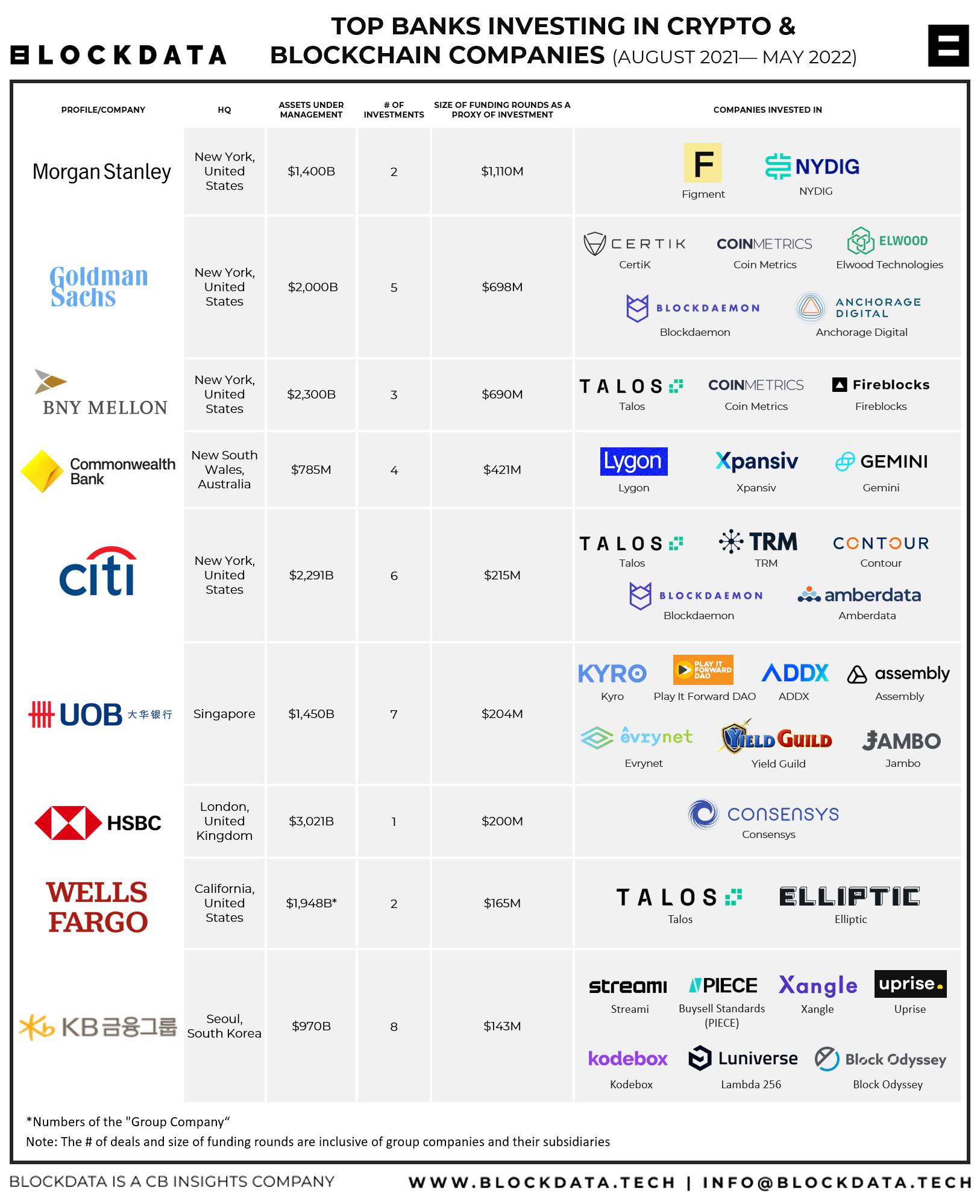
If you need to store physical crypto hardware or trading accessories, consider bundling your needs. The following tools are popular among 2026 crypto users for secure storage and portfolio tracking:



As an Amazon Associate, we may earn from qualifying purchases.
When evaluating a crypto-friendly bank, look beyond the headline interest rates. Check the specific exchange integrations, as these determine your actual cost of trading. A bank with a lower fee might partner with an exchange that charges higher withdrawal fees, negating the savings. Always verify the current list of supported exchanges on the bank's website before opening an account.
Shortlist real options
Finding a bank that genuinely supports crypto requires looking past marketing claims to actual infrastructure. The landscape in 2026 splits into three distinct categories: traditional US banks with exchange partnerships, specialized crypto-native banks, and international institutions with digital asset licenses.
US-based consumers primarily rely on indirect access. Major players like Ally, Chase, and Bank of America do not hold crypto directly but facilitate transfers to regulated exchanges. This setup keeps deposits FDIC-insured while leaving the digital assets under the custody of third-party platforms like Coinbase or Kraken. It is a hybrid model that prioritizes regulatory compliance over direct custody.
For direct custody, specialized institutions like Sygnum Bank (Switzerland) and Mercury (US) offer dedicated wallets and institutional-grade security. These platforms are designed for users who want their bank account to serve as the primary interface for their digital portfolio. They often require higher minimum balances and stricter KYC/AML checks.
The following comparison highlights the strongest options across these categories. We evaluate them on custody type, supported assets, and geographic availability to help you choose the right infrastructure for your needs.
| Bank | Type | Custody | Key Assets | Region |
|---|---|---|---|---|
| Chase | Traditional US | Indirect (via Coinbase) | BTC, ETH, Stablecoins | US |
| Ally | Traditional US | Indirect (via Exchange) | BTC, ETH | US |
| Sygnum | Crypto-Native | Direct (Self-Custody) | BTC, ETH, XRP, Stablecoins | Switzerland, Singapore |
| Mercury | Crypto-Native | Direct (Multi-Sig) | BTC, ETH, USDC | US |
| Revolut | Fintech | Indirect/Partner | BTC, ETH, LTC | UK, EU, US |
| DBS | Traditional Global | Indirect | BTC, ETH, Stablecoins | Singapore |
When selecting a platform, consider how you intend to use your assets. If you are trading frequently, a traditional bank linked to an exchange like Kraken or Coinbase offers the best liquidity. If you are holding long-term, a direct custody solution like Sygnum or Mercury provides greater control and security. Always verify that the institution is registered with relevant financial authorities in your jurisdiction.
Inspect the expensive parts
Before committing funds to a crypto-friendly bank, look past the marketing claims and verify the actual infrastructure. The difference between a safe digital asset platform and a risky one often comes down to how they handle custody, insurance, and regulatory compliance. A small oversight in these areas can lead to total loss of capital or frozen accounts during market stress.
Use this checklist to audit the most common failure points. We recommend reviewing each item against the bank’s public disclosures or Terms of Service. If a bank is vague about these specifics, treat it as a red flag.
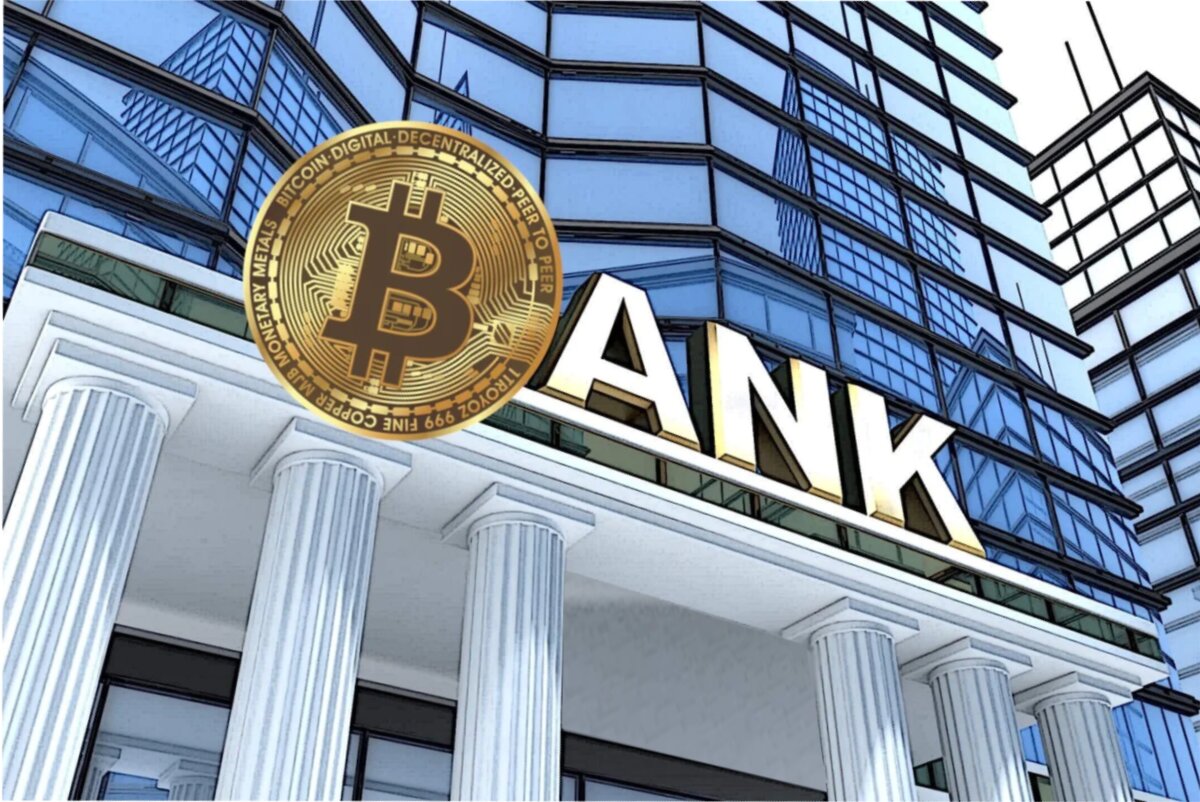
Most crypto banks do not offer direct FDIC insurance on cryptocurrency holdings. However, they may hold fiat balances in partner banks that do offer FDIC coverage. Check if your stablecoin deposits are backed by real reserves or if they are unsecured liabilities. For securities held in brokerage accounts, confirm SIPC protection limits, which typically cap at $500,000.
Ensure the majority of customer assets are held in cold storage (offline wallets) rather than hot wallets connected to the internet. Look for multi-signature (multi-sig) requirements, which need multiple independent keys to authorize a transaction. This prevents a single point of failure, such as a compromised employee account, from draining funds.
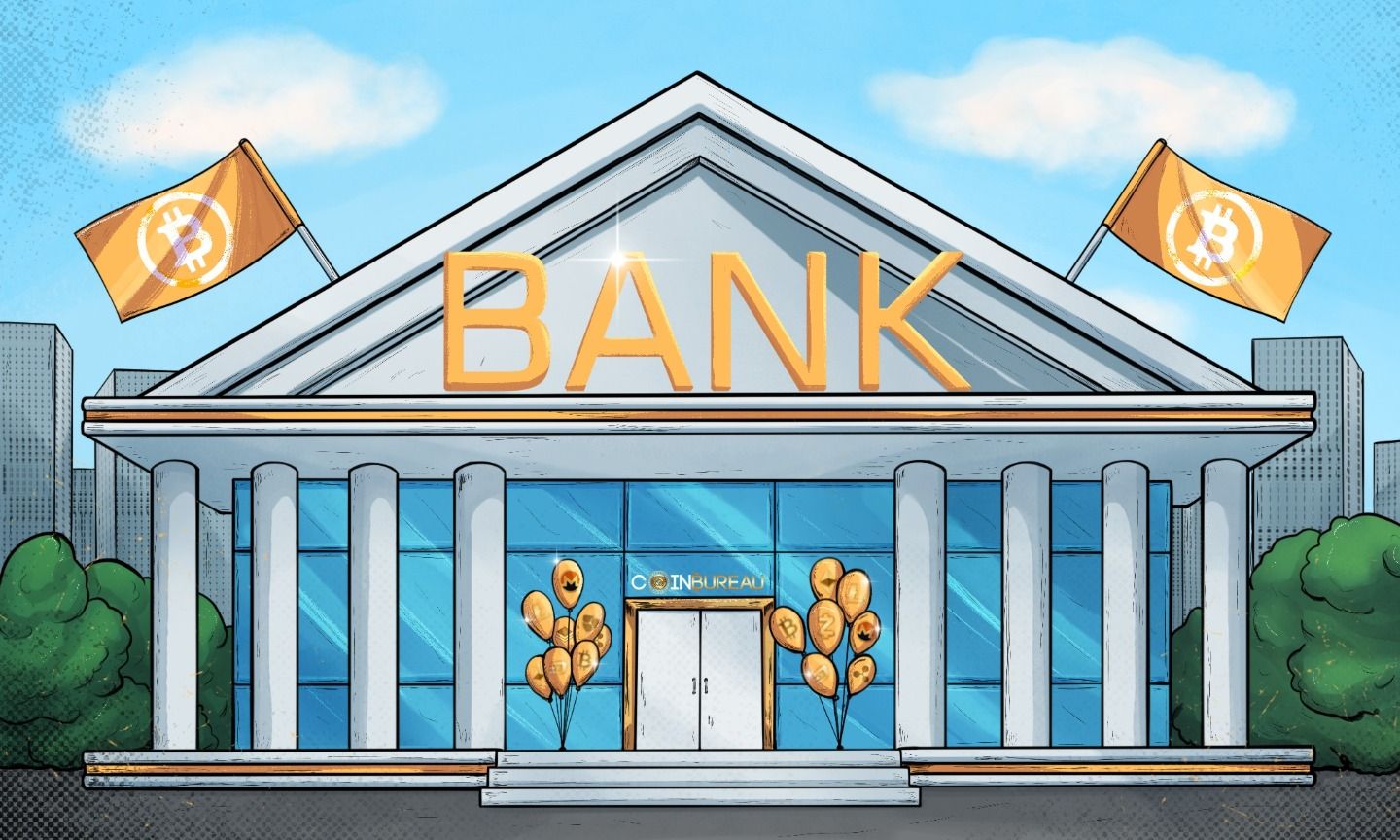
Verify if the platform is registered as a Money Services Business (MSB) with FinCEN or holds specific state money transmitter licenses. Platforms operating in regulated jurisdictions like the US or EU are subject to stricter auditing and capital reserve requirements. Avoid unlicensed offshore entities that lack clear legal recourse for US customers.

High-risk platforms often impose sudden, unannounced withdrawal freezes or excessive Know Your Customer (KYC) demands during volatile markets. Check the published daily and monthly withdrawal limits for both fiat and crypto. Transparent, clearly stated limits are a sign of operational stability; vague or hidden limits suggest liquidity issues.

Reputable platforms publish regular, third-party audited proof of reserves (PoR) to demonstrate they hold 1:1 backing for all user deposits. Look for audits from established firms like Moss Adams or BDO. If a bank only provides self-reported metrics or infrequent updates, the risk of insolvency or fractional reserve lending increases significantly.
Ownership costs and hidden fees
Crypto banking rarely operates on a simple flat fee. Most platforms layer costs across custody, trading, and fiat transfers. A low monthly account fee can disappear quickly if you trade frequently or move large sums. The total cost of ownership depends on how you actually use the platform, not just the headline rate.
Custody fees are the most common hidden cost. Some banks charge a percentage of assets under management for cold storage, while others bundle it into trading spreads. If you hold Bitcoin long-term, a 0.5% annual custody fee compounds significantly over time. Compare this against self-custody wallets, which have zero ongoing fees but require you to manage security keys yourself.
Trading and withdrawal fees often surprise new users. Deposit fees vary by bank and method; wire transfers may cost $15-$25 per transaction, while ACH deposits are usually free but slower. Withdrawal fees for crypto can spike during network congestion. Always check the fee schedule for both fiat and crypto movements before committing funds.


As an Amazon Associate, we may earn from qualifying purchases.
When evaluating platforms, look beyond the monthly fee. Calculate the total cost based on your expected trading volume and withdrawal frequency. A platform with higher custody fees might be cheaper if it offers lower trading spreads. Conversely, a zero-fee trading platform may charge steep withdrawal fees. The cheapest option upfront often becomes the most expensive over time.

No comments yet. Be the first to share your thoughts!