What makes a bank crypto-friendly
Selecting a crypto-friendly bank requires looking past marketing claims to verify actual operational support. A bank is truly crypto-friendly if it actively facilitates custody, on-ramping, and staking rather than merely tolerating them. Institutions that block transactions or freeze accounts for crypto-related activity introduce unacceptable counterparty risk.
Regulatory compliance is the foundation of this trust. Look for banks holding Virtual Asset Service Provider (VASP) licenses or partnering with regulated custodians. These credentials signal that the institution has undergone rigorous scrutiny and maintains the necessary safeguards for digital assets. Without this framework, your funds are exposed to arbitrary restrictions.
Beyond licenses, examine the mechanics of their custody solutions. Secure banks use multi-signature wallets and cold storage to protect assets from hacks. They also provide clear, transparent fee structures for transfers and conversions. Avoid institutions that obscure these details or charge excessive hidden fees for basic crypto services.
Finally, consider the bank's integration with major exchanges and wallets. Seamless connectivity reduces friction and minimizes the risk of errors during transactions. Banks like Sygnum Bank and Mercury have built robust infrastructure to support these needs, making them reliable choices for serious crypto investors.
Top crypto banks for 2026
Selecting a crypto bank requires distinguishing between institutions that merely tolerate digital assets and those built for them. The landscape splits into two distinct categories: traditional banks offering crypto-adjacent services like custody or exchange partnerships, and digital-native banks with integrated blockchain infrastructure. For high-stakes finance, the latter provides superior security through cold storage and regulatory clarity, while the former offers seamless fiat integration for daily operations.
The following institutions represent the most reliable options for 2026, categorized by their primary strength in custody, fiat liquidity, or regional accessibility. Each entry reflects current regulatory standing and specific product features rather than general banking utility.
Sygnum Bank: Best for Institutional Custody
Sygnum Bank operates as a digital asset bank licensed in Switzerland and Singapore, offering a regulated bridge between traditional finance and blockchain. It is the preferred choice for institutions requiring secure, insured custody of digital assets. The bank provides cold storage solutions with multi-signature technology, ensuring that private keys are never exposed to online threats. Its regulatory framework allows for the issuance of tokenized assets and stablecoins, making it a critical infrastructure provider for enterprise-grade crypto operations.
Mercury: Best for US-Based Crypto Startups
Mercury has emerged as the standard banking partner for US-based crypto startups and venture capital firms. While it does not hold crypto assets directly, its platform is optimized for the cash flow needs of blockchain companies. It offers integrated accounting tools that reconcile fiat transactions with crypto-related expenses, simplifying tax reporting and financial tracking. Mercury’s compliance team is experienced in handling the unique regulatory scrutiny faced by crypto businesses, reducing the risk of account freezes common with traditional banks.
Monzo: Best for Retail Crypto Spending
For individual users, Monzo provides the most accessible entry point into crypto banking within the United Kingdom. The app allows users to buy, hold, and sell major cryptocurrencies like Bitcoin and Ethereum directly within the interface. While it does not offer advanced trading features, its integration with Monzo’s debit card enables seamless spending of fiat funds alongside crypto earnings. The bank’s transparent fee structure and user-friendly interface make it suitable for retail investors who prioritize ease of use over complex custody solutions.
Ally Bank: Best for Fiat Integration
Ally Bank stands out for its robust integration with major US cryptocurrency exchanges. It allows users to link their Ally accounts directly to platforms like Coinbase and Kraken, facilitating fast and secure transfers between fiat and crypto wallets. This integration reduces the friction typically associated with moving funds between traditional banking and digital asset exchanges. Ally’s strong regulatory compliance and established reputation provide a stable foundation for users who need reliable fiat processing without exposing their core banking details to third-party crypto platforms.
DBS Bank: Best for Asian Market Access
DBS Bank, based in Singapore, is a leader in digital banking innovation within Asia. It offers a dedicated digital platform that supports cryptocurrency trading and custody services for both retail and institutional clients. DBS’s partnerships with local exchanges and its focus on digital identity verification make it a secure option for users in the Asian market. The bank’s commitment to blockchain technology is evident in its internal processes, which use distributed ledger technology to streamline cross-border payments and trade finance.
| Bank | Region | Custody Type | Best For |
|---|---|---|---|
| Sygnum Bank | Switzerland, Singapore | Institutional Cold Storage | Enterprise Custody |
| Mercury | United States | None (Fiat Only) | Crypto Startups |
| Monzo | United Kingdom | Integrated App | Retail Spending |
| Ally Bank | United States | None (Fiat Only) | Fiat Integration |
| DBS Bank | Singapore | Digital Platform | Asian Market Access |
Custodial and non-custodial models
Choosing a crypto bank requires understanding who holds the private keys. This decision separates traditional banking safety from the self-sovereignty of decentralized finance.
Custodial models function like traditional banks. The institution, such as Sygnum Bank or Mercury, holds the private keys and manages the security infrastructure. This structure offers convenience and often includes insurance or regulatory protections, but it introduces counterparty risk. If the bank is hacked or faces insolvency, the customer may lose access to funds. This model suits users who prioritize ease of use and regulatory compliance over absolute control.
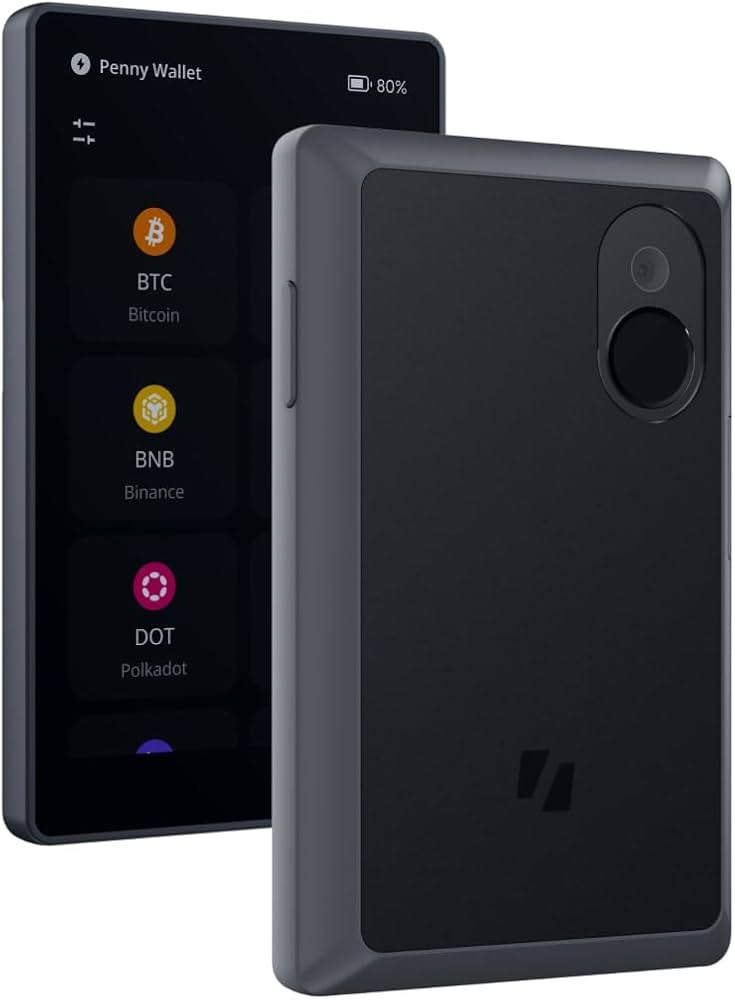
Non-custodial options shift responsibility to the user. Here, the bank provides the interface, but the customer retains the private keys in their own wallet. This approach eliminates counterparty risk regarding key management but demands rigorous personal security hygiene. A lost seed phrase means permanent loss of assets. This model appeals to experienced users who value sovereignty and want to avoid relying on third-party solvency.
The security protocols differ significantly between these models. Custodial banks invest heavily in cold storage, multi-signature wallets, and regulatory audits to protect client assets. Non-custodial solutions rely on the user’s ability to secure their own hardware wallets and recovery phrases. Understanding this distinction is critical for aligning your banking choice with your risk tolerance.
Fees and limits to watch
Transaction costs and withdrawal caps define the practical viability of any crypto bank. Unlike traditional accounts, crypto-native institutions often layer fees for fiat on-ramps, cold storage, and off-chain transfers. A low interest rate means little if withdrawal fees erode your principal during high-volatility periods. You must treat these costs as fixed overhead, similar to how a trader accounts for exchange slippage.
Juno, for instance, structures its value proposition around cashback and interest, but this model relies on specific transaction volumes to remain profitable. Ally Bank and USAA, often cited as top picks for US-based users, integrate with major crypto exchanges rather than holding assets directly. This distinction shifts the fee burden: you pay the bank for fiat connectivity and the exchange for asset custody. Understanding this split is essential for calculating your true cost of carry.


As an Amazon Associate, we may earn from qualifying purchases.
Minimum balances and tiered limits vary significantly by jurisdiction and license type. Institutions operating under EU VASP licenses or US state money transmitter licenses often enforce stricter KYC/AML thresholds, which can translate to higher minimum deposit requirements. Always verify the withdrawal limits before funding an account; sudden caps during market stress can trap liquidity when you need it most. Prioritize institutions with transparent, published fee schedules over those offering vague "competitive rates."
Choosing the right crypto bank
Selecting a custodian requires matching your operational footprint to the bank’s regulatory charter and custody architecture. A mismatch here creates liquidity friction or compliance exposure that no interest rate can offset.
Retail users in the United States face the most constrained landscape. Banks like Ally Bank and Monzo integrate directly with major US exchanges, allowing seamless fiat-to-crypto transfers without exposing your primary checking account to direct blockchain risk. This structure prioritizes ease of access over deep self-custody control.
Businesses and international users require different mechanics. US-based firms often turn to Mercury for its robust API and multi-user access controls, which are essential for treasury management. Meanwhile, entities in Switzerland or Singapore may prefer Sygnum Bank, which offers multi-party computation (MPC) custody solutions that distribute private key fragments, reducing single-point failure risks.
Before opening an account, verify these three operational pillars:
- Regulatory Charter: Confirm the bank is licensed in your jurisdiction and explicitly permits crypto-related transactions.
- Custody Model: Determine if the bank holds assets in its own custody or uses a third-party custodian like BitGo or Fireblocks.
- Integration Depth: Check if the bank supports direct APIs for automated reporting or if transfers require manual intervention.
-
Verify regulatory license for your jurisdiction
-
Confirm custody mechanism (self vs. third-party)
-
Test API integration for automated reporting

No comments yet. Be the first to share your thoughts!