What makes a crypto bank regulated
In 2026, the term "regulated crypto bank" covers two distinct models. The first includes traditional banks that have added crypto features. The second includes specialized custodians built for digital assets. Both models prioritize safety and compliance, but they operate under different rules.
Traditional banks with crypto features often partner with licensed custodians. These institutions hold fiat balances under standard protections. For example, dollar balances at platforms like Coinbase, eToro, Gemini, and Uphold receive FDIC coverage up to $250,000 or more per account. This protection applies only to the fiat currency held in the account, not the cryptocurrency itself. If the bank fails, your dollars are safe. If Bitcoin drops in value, you still bear that loss.
Specialized custodians focus exclusively on digital assets. They do not offer FDIC insurance because they do not hold fiat deposits. Instead, they rely on strict compliance frameworks, regular audits, and secure custody solutions. These providers are regulated under specific money transmission or virtual asset service provider laws. They ensure that crypto assets are held in segregated accounts, separate from the company's operating funds.
The key distinction lies in what is insured. Fiat balances may be covered by government insurance programs. Crypto assets are generally uninsured. Understanding this difference is critical for managing risk. Always verify the specific regulatory status of any institution before depositing funds.
Top crypto-friendly banks for 2026
Finding a traditional bank that actually supports your crypto activity requires looking past marketing claims to regulatory reality. In 2026, the landscape has split into two distinct categories: regulated US banks that provide compliant custody and fiat bridges, and international neobanks that offer integrated trading and spending. The right choice depends entirely on whether you need secure storage for large holdings or seamless access to your digital assets for daily transactions.
The following banks have established clear frameworks for handling cryptocurrency-related deposits, withdrawals, and trading activities without triggering immediate account closures.
Juno
Juno has emerged as a leading option for users seeking cashback rewards on crypto-related spending. Unlike traditional banks that block crypto transactions entirely, Juno integrates with major crypto platforms to offer interest and rewards on eligible purchases. Its primary appeal lies in its user-friendly interface and transparent fee structure, making it suitable for everyday crypto users who want their banking to work alongside their digital asset portfolio rather than against it.
Ally Bank
Ally Bank is widely recognized for its robust support of US-based cryptocurrency exchanges. It allows seamless transfers to and from regulated platforms like Coinbase and Kraken, providing a reliable fiat bridge for buying and selling digital assets. As an FDIC-insured institution, Ally offers a layer of security for your fiat currency while maintaining a crypto-friendly stance that avoids the sudden account freezes common with more conservative banks. This makes it a preferred choice for active traders who need reliable access to their funds.
Monzo
For users in the United Kingdom, Monzo offers a modern alternative with built-in crypto trading capabilities. The app allows users to buy, sell, and hold over 20 cryptocurrencies directly within the banking interface, eliminating the need for separate exchange accounts. Monzo’s approach focuses on accessibility, providing real-time notifications for crypto transactions and clear visibility of your digital asset balance alongside your fiat funds. This integration simplifies the management of mixed portfolios for daily banking needs.
| Bank | Crypto Support | FDIC Status | Best For |
|---|---|---|---|
| Juno | Cashback & Interest | Yes | Rewards on crypto spending |
| Ally Bank | Exchange Transfers | Yes | US exchange integration |
| Monzo | In-App Trading | UK FSCS | UK daily crypto use |
Related Tools
Securing your crypto assets often requires hardware solutions that complement your banking strategy. The following hardware wallets are recommended for users looking to add an extra layer of security to their digital assets.


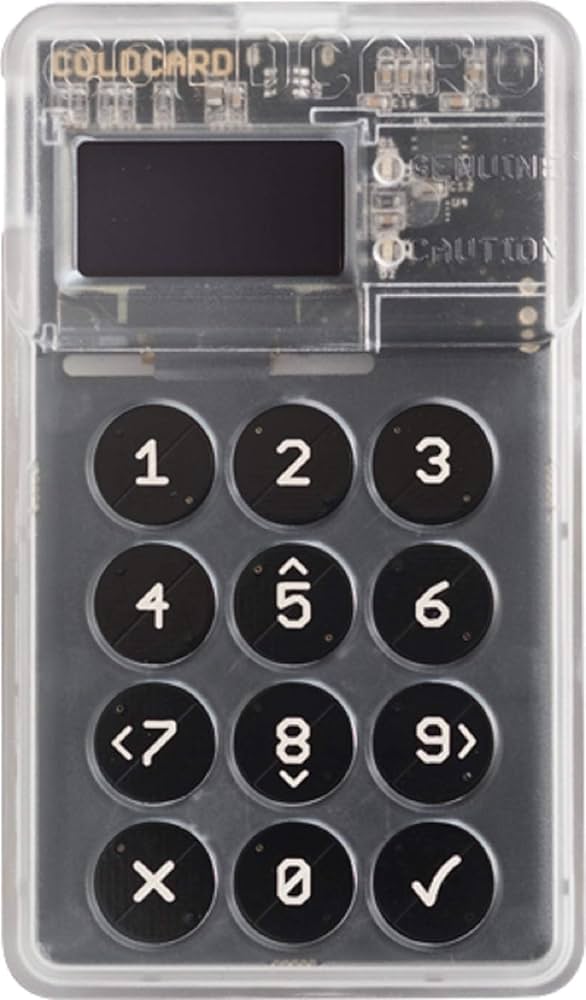
As an Amazon Associate, we may earn from qualifying purchases.
Secure Custody and Yield Strategies
Balancing yield with security requires understanding where your assets actually live. When you hold crypto in a regulated banking environment, the institution manages the private keys, offering a safety net that resembles traditional finance. Dollar balances at platforms like Coinbase, eToro, Gemini, and Uphold often receive FDIC coverage up to $250,000 or more per account, protecting you if the bank itself fails rather than if the crypto market crashes [src-serp-2]. This structure prioritizes capital preservation over the high-risk, high-reward nature of self-custody.
Self-custody wallets, by contrast, put the burden of security entirely on you. While this eliminates counterparty risk from the financial institution, it also means there is no customer support to recover your funds if you lose your seed phrase or fall victim to a phishing attack. The trade-off is clear: banks offer insurance and ease of use, while self-custody offers total control but demands rigorous personal security hygiene. For most users seeking a "crypto bank" experience, the regulated custody model provides a necessary layer of institutional trust.
To maximize yield safely, look for platforms that offer staking or lending services backed by transparent reserve proofs. Avoid platforms that promise unnaturally high returns, as these often signal unsustainable Ponzi-like structures or hidden leverage. Always verify the regulatory standing of the bank or exchange before depositing significant funds. The following checklist helps you verify a bank's crypto custody insurance and regulatory standing before you commit capital.
-
Verify FDIC or SIPC insurance coverage for fiat balances
-
Check for proof of reserves and transparent audit reports
-
Confirm the platform is registered with relevant financial authorities
-
Review the terms of service for crypto-specific risk disclosures
If you are transitioning toward self-custody for long-term holdings, investing in a hardware wallet is a critical step. These devices keep your private keys offline, protecting them from online hacks and malware. The following tools are recommended for securing your assets if you choose to manage your own keys.


As an Amazon Associate, we may earn from qualifying purchases.
How to choose a crypto bank
Selecting a crypto bank requires matching your specific jurisdiction, risk tolerance, and operational needs. The landscape has shifted significantly since 2022, when major institutions like Silvergate and Signature Bank collapsed. Those two banks held over $12 billion in crypto-related deposits before their failures, highlighting the extreme importance of regulatory compliance over sheer marketing promises.
Start by verifying your location. Crypto-friendly banking is not global. Services like Revolut offer built-in crypto trading for business owners in supported regions, allowing purchases of over 280 cryptocurrencies including stablecoins like USDC and USDT. If you are in the US or EU, you must confirm the bank holds the necessary licenses to hold fiat and crypto assets legally. Using an unlicensed intermediary exposes your funds to seizure or loss.
Next, define your primary goal: yield or security. Banks offering high-yield accounts often take significant risks with your deposits. If you prioritize safety, look for institutions that explicitly state how they custody assets—whether through segregated accounts, insured custodians, or internal ledgers. For most users, security trumps yield. If you need to move assets frequently, check transaction limits and withdrawal speeds. Some banks restrict crypto withdrawals during volatile market periods.
Finally, consider the broader ecosystem. Some banks integrate with blockchain networks like RippleNet, which is used by over 300 financial institutions including Santander and PNC Bank. This integration can mean faster settlement times and lower fees. However, not all banks support all tokens. Ensure the bank supports the specific cryptocurrencies you hold. Avoid platforms that only support Bitcoin and Ethereum if you trade altcoins.




As an Amazon Associate, we may earn from qualifying purchases.
Frequently asked: what to check next


As an Amazon Associate, we may earn from qualifying purchases.

No comments yet. Be the first to share your thoughts!