
In the ever-evolving landscape of digital finance, Bybit is making a bold leap with its upcoming MyBank feature, set to launch in February 2026. This crypto neobank IBAN service promises personal International Bank Account Numbers (IBANs) that blend traditional banking with cryptocurrency trading, allowing users to deposit fiat, hold balances, and convert to digital assets instantly. As a leading exchange, Bybit aims to cut out the cumbersome middlemen that plague fiat-to-crypto onramps, but questions linger about execution amid mixed user feedback.
Bybit’s MyBank arrives at a pivotal moment when crypto users crave seamless Bybit fiat transfers. Traditional banks often delay or block transfers to exchanges, creating friction that deters newcomers. MyBank positions Bybit as a one-stop shop, where you can receive salaries, pay bills, and trade cryptocurrencies from a single dashboard. Early details reveal support for U. S. dollar transfers initially, expanding to 18 currencies pending approvals. This isn’t just an add-on; it’s Bybit’s bid to become a full-fledged financial hub.
Decoding the MyBank Value Proposition
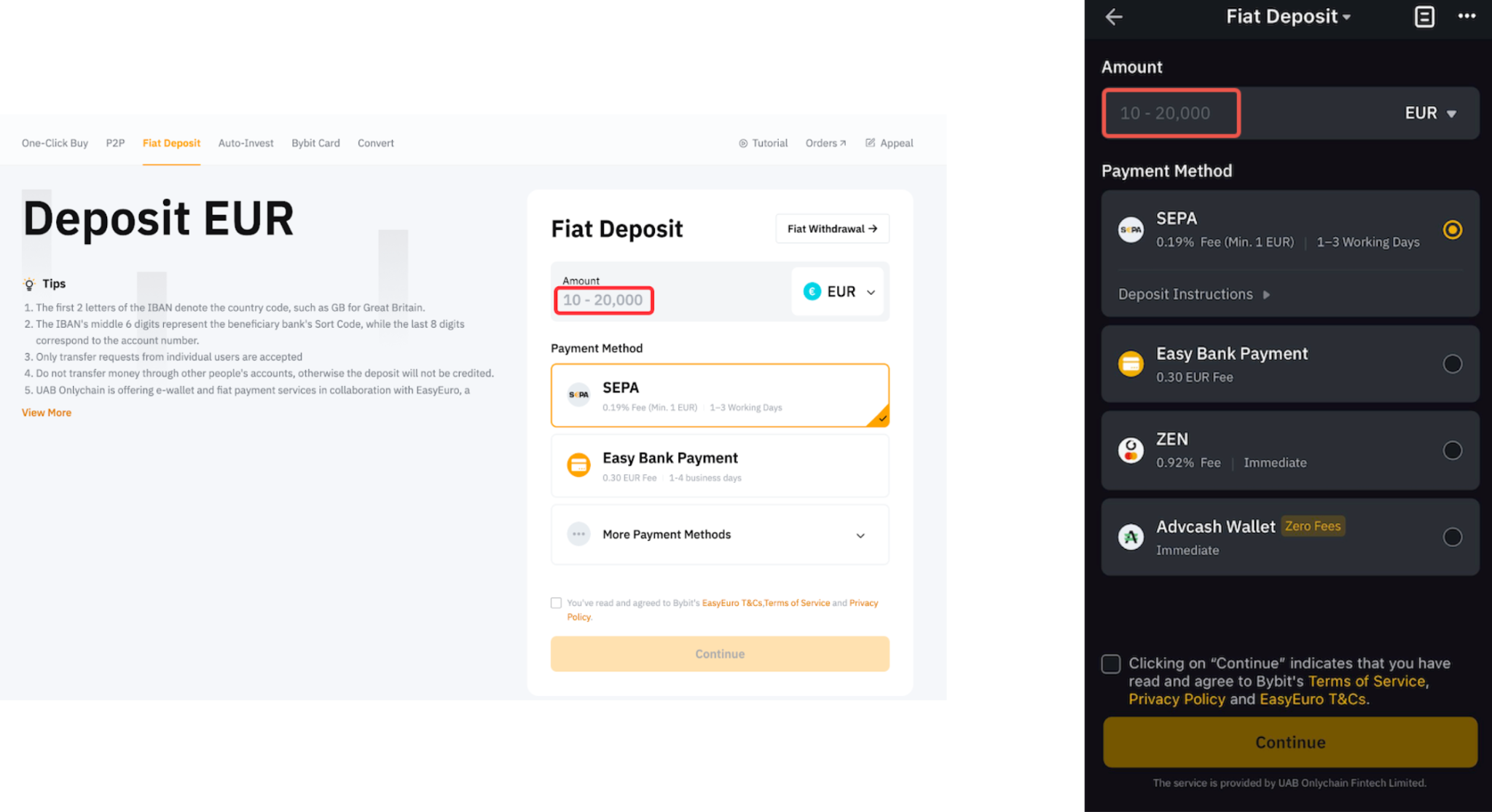
At its core, Bybit MyBank offers IBAN accounts tied directly to your exchange wallet. Complete KYC verification, and you unlock a personal IBAN for direct bank wires. Hold fiat as cash alongside cryptos, or trigger instant conversions the moment funds land. CEO Ben Zhou emphasizes this eliminates the ‘send funds to exchange’ hassle, echoing sentiments from sources like Yahoo Finance and CoinDesk. Imagine depositing pounds or dollars and swapping to Bitcoin without extra steps or fees from third-party providers.
“The moment that your pound or US dollars hit the account, you can convert it to crypto instantly. ” – Ben Zhou, Bybit CEO
Yet, this Bybit MyBank review 2026 must probe deeper. While the pitch dazzles, Reddit threads question if it’s truly innovative or just repackaged banking. Fewer intermediaries mean faster access, but does it enhance security? Bybit’s partnerships with Qatar National Bank, DMZ Finance, and Georgia’s Pave Bank suggest robust backing, distributing risk beyond a single entity.
Navigating Fiat-Crypto Onramps with Precision
Crypto bank onramps have long been a bottleneck, with slow SEPA transfers or high Visa fees. MyBank streamlines this via IBANs, enabling cross-border flows in multiple currencies. Users could receive international payments or salaries directly, then pivot to trading. Cryptocoin. news highlights the ‘magic’ of depositing fiat and holding or converting on demand, a game-changer for traders juggling volatile markets.
Practically, this means no more app-switching between bank and exchange. Post-deposit, fiat sits as a stable balance, ready for bills or trades. Expansion to 18 currencies positions Bybit competitively against neobanks like Revolut, but with crypto-native twists. However, Trustpilot reviews paint a cautionary picture: complaints of poor support, disconnected chats, and delayed resolutions. If MyBank inherits these issues, friction could persist despite IBAN elegance.
Security and Regulatory Realities Behind the Curtain
Bybit frames MyBank as secure digital banking, leveraging licensed partners for fiat custody. Pave Bank’s Georgia license and Qatar National Bank’s stature add credibility. KYC gates entry, aligning with global standards to combat illicit flows. Yet, as a ‘retail banking product, ‘ it invites scrutiny. Will regulators in key markets like the EU or UK greenlight full rollout? BusinessMirror notes the bank-like ambitions, but crypto’s history shows approvals can falter.
From an investigative lens, MyBank’s strength lies in integration. No separate banking app means unified oversight of assets, potentially reducing phishing risks from multi-platform use. Still, holding fiat on an exchange raises questions: are funds FDIC-insured equivalents in place? Bybit hasn’t detailed insurance yet, a gap worth monitoring as launch nears.
Bybit’s opacity on deposit protection underscores a broader tension in crypto banking: the allure of innovation versus the bedrock of trust. Traditional banks offer depositor insurance up to certain limits, but exchanges often rely on segregated accounts or partner safeguards. Until Bybit clarifies MyBank’s protections, savvy users should treat fiat holdings as high-risk, akin to exchange-based crypto storage.
Pros and Cons: Weighing Bybit MyBank’s Trade-Offs
Any thorough Bybit MyBank review 2026 demands a balanced ledger. On the plus side, personal IBANs slash transfer times and costs, turning Bybit into a viable crypto neobank IBAN contender. Direct salary deposits or bill payments from one app appeal to digital nomads and frequent traders, while instant fiat-to-crypto swaps fuel opportunistic plays in volatile markets. Partnerships lend legitimacy, potentially outpacing pure crypto ramps like MoonPay.
Bybit MyBank Pros & Cons
-
Pro: Instant fiat-crypto conversion – Deposit fiat via IBAN and convert to crypto immediately, reducing friction.
-
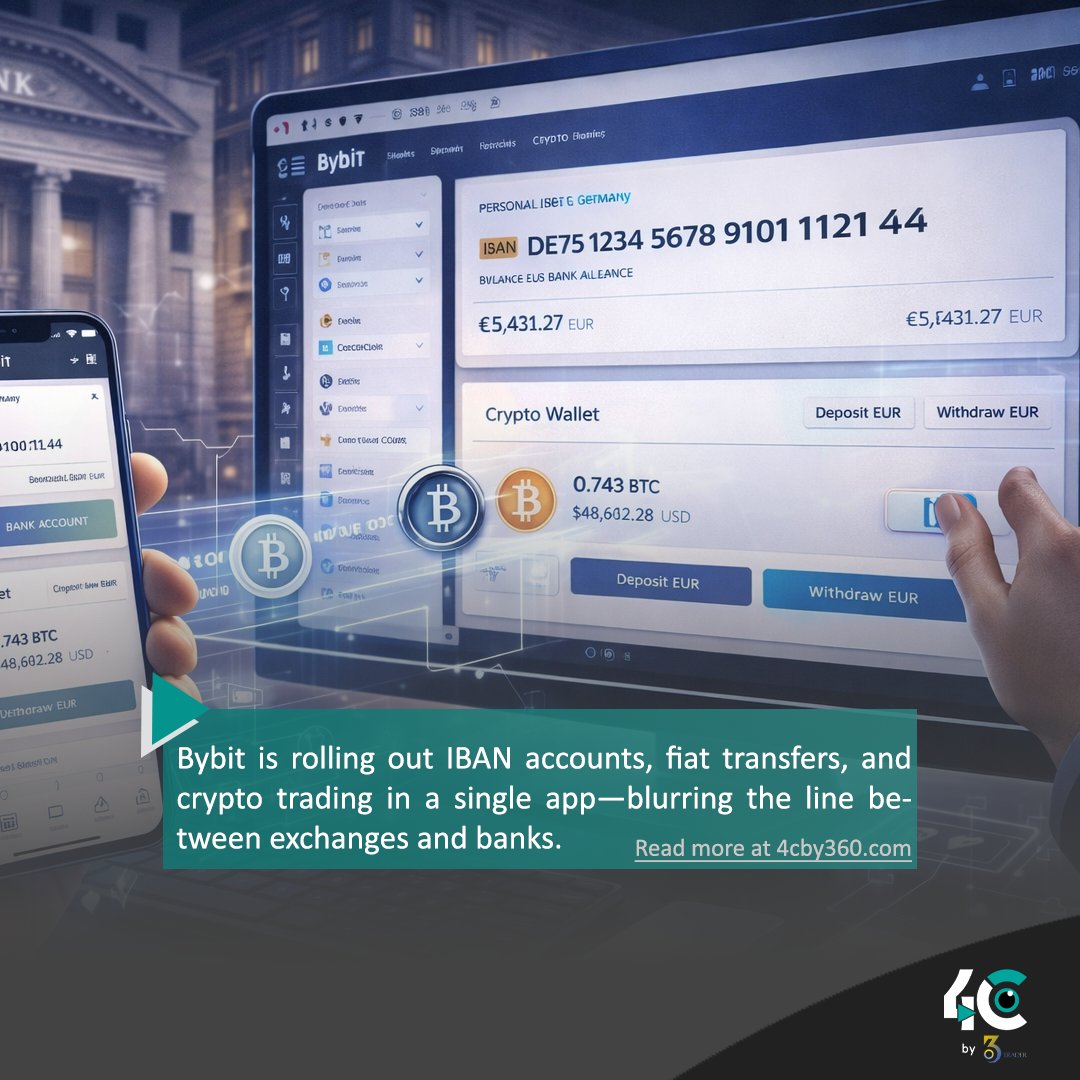
Pro: Personal IBAN accounts – Hold fiat balances like USD alongside crypto, receive salaries, pay bills.
-
Pro: Fewer intermediaries – Direct deposits to Bybit, faster transfers without third-party hassles.
-
Pro: Multi-currency support – Starts with USD, expands to 18 currencies pending approvals.
-

Con: Launch in Feb 2026 – Not available yet, users must wait for rollout.
-
Con: Requires KYC verification – Full access only after completing identity checks.
-

Con: Regulatory risks – Dependent on approvals; potential delays or restrictions.
-
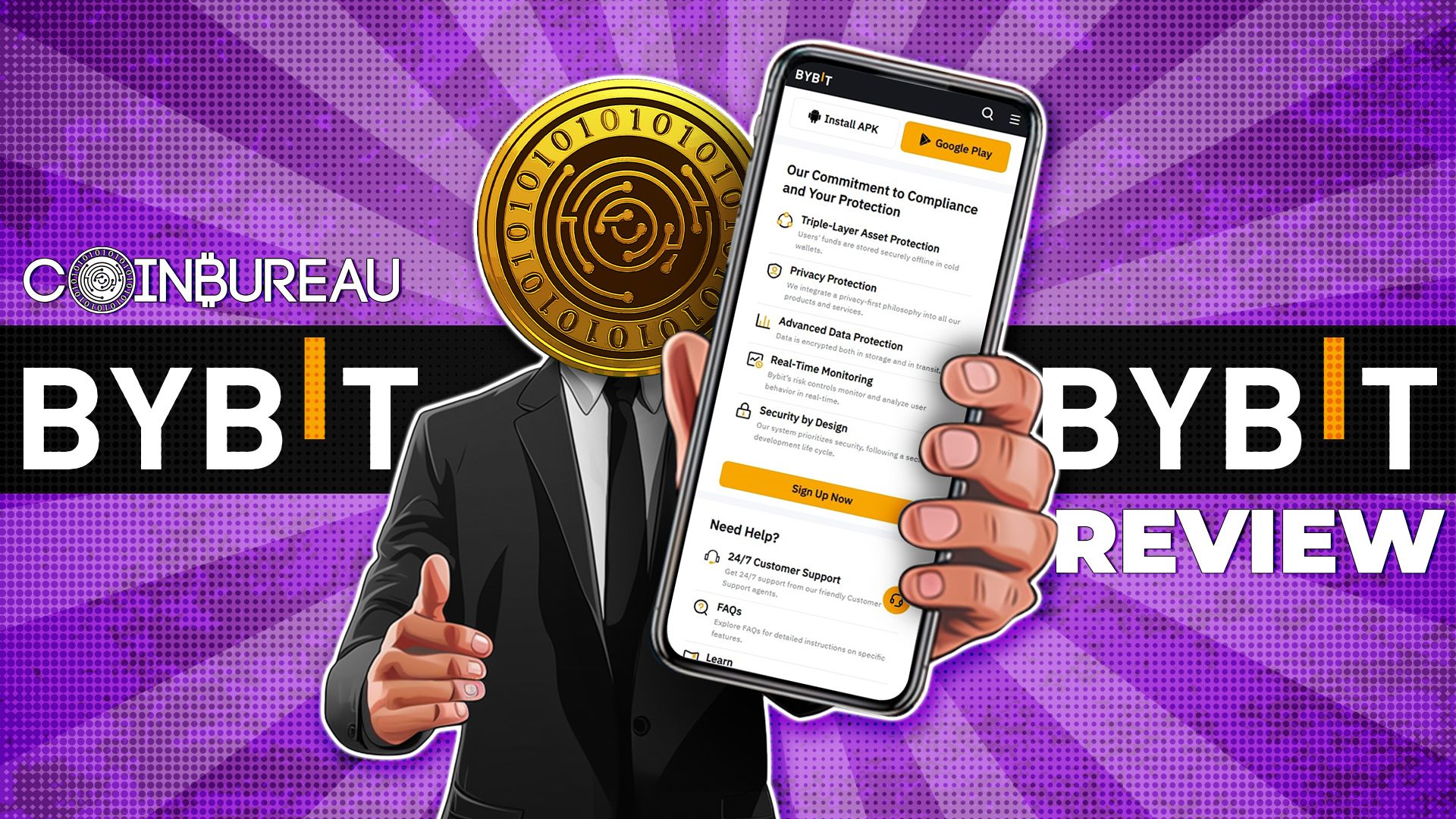
Con: Bybit support issues – Trustpilot reviews cite poor service, delays in general Bybit support.
Drawbacks loom large, however. Trustpilot’s litany of support woes, disconnected chats, error-ridden responses, cases lingering for days, could sabotage MyBank’s promise. Regulatory hurdles might limit rollout to select regions, frustrating global users. And without proven insurance, a platform hack or insolvency spells trouble for fiat balances. Reddit skeptics nail it: great on paper, but execution defines success.
How MyBank Fits the Crypto Bank Onramp Landscape
Crypto bank onramps evolve rapidly, with players like Kraken Bank and Crypto. com pushing similar boundaries. Bybit’s edge? Deeper trading integration, where fiat inflows feed directly into spot, futures, or perpetuals markets. Unlike Revolut’s crypto add-on, MyBank embeds banking within a high-volume exchange ecosystem, ideal for active traders. Yet, competitors boast established fiat services; Bybit plays catch-up, betting on its 20 million users for scale.
Consider the economics: SEPA transfers often drag 1-3 days with fees eating 1-2%. MyBank’s IBAN model could compress this to near-instant, especially for USD via Pave Bank. Cross-currency support up to 18 fiat types hints at hedging tools for international exposure. Still, as AInvest notes, it’s a bridge, not a replacement, for full banking, expect caps on deposits or withdrawals until maturity.
Bybit’s MyBank disrupts by holding fiat alongside crypto, but user trust hinges on flawless support and ironclad security.
Practical Steps and User Vigilance
For those eyeing Bybit fiat transfers via MyBank, start with KYC completion post-launch. Monitor announcements for eligible regions and currencies, prioritizing USD entry points. Test small deposits first to gauge speed and reversibility. Diversify holdings, don’t park life savings in one exchange-bank hybrid. Track regulatory nods from EU or UK bodies, as approvals could unlock broader access.
Bybit’s ambition mirrors fintech’s neobank surge, but pitfalls abound. MEXC reports frame it as ecosystem unification, yet customer gripes remind us: tech solves friction, people resolve problems. If Bybit overhauls support and details safeguards, MyBank could redefine entry to digital assets.
Ultimately, MyBank tests whether exchanges can evolve into trusted financial stewards. For beginners, it lowers barriers; for pros, it sharpens efficiency. Watch February 2026 closely, this could cement Bybit’s lead or expose neobank growing pains. In a space where trust is currency, delivery will dictate dominance.
About the Author