
In a pivotal move for the intersection of traditional banking and digital assets, the Office of the Comptroller of the Currency (OCC) has greenlit U. S. national banks to hold cryptocurrency on their balance sheets under specific conditions. Issued on November 18,2025, Interpretive Letter 1186 marks a nuanced evolution in OCC crypto custody approval, allowing banks to maintain limited crypto-assets as principal for paying blockchain network fees, known as gas fees, and for testing permissible crypto-related platforms. As Bitcoin trades at $87,586.00 amid a modest 24-hour dip of $372.00, this regulatory clarity arrives at a moment when institutional adoption could stabilize volatile markets.
This isn't blanket permission for speculative trading; the OCC emphasizes holdings must align with reasonably foreseeable needs and be conducted safely, underscoring a risk-averse framework. Banks can now integrate crypto custody more seamlessly into core operations, bridging legacy finance with blockchain efficiency. For crypto users and businesses, this signals enhanced legitimacy and potential for streamlined services like on-chain payments without third-party intermediaries.
Decoding Interpretive Letter 1186: Key Permissions and Limits
At its core, Letter 1186 reaffirms that paying crypto-asset network fees falls within the business of banking, akin to other operational costs. National banks may hold assets like Bitcoin or Ethereum sufficient to cover these fees, whether for internal activities or client services. The letter explicitly states: "we confirm that the Bank may hold amounts of crypto-assets as principal necessary for testing otherwise permissible crypto-asset-related activities. " This extends prior OCC guidance, building on letters that permitted custody and stablecoin activities.
- Gas Fee Holdings: Limited to anticipated network costs, preventing hoarding for investment.
- Testing Principal: Crypto needed to validate platforms, internal or third-party sourced.
- Safety Mandates: Robust risk assessments, compliance with laws like Bank Secrecy Act.
Legal experts from firms like Steptoe and Jones Day highlight this as incidental to banking, not a gateway to proprietary trading. Yet, I see it as a strategic foothold: banks holding even nominal crypto positions normalize digital assets, potentially accelerating US banks hold crypto assets infrastructure.
Navigating Custody: Practical Steps for Banks and Users
For banks eyeing national banks bitcoin custody, implementation demands precision. First, conduct a thorough needs assessment to quantify gas fees across networks like Ethereum or Bitcoin, factoring volatility. Bitcoin's current stability at $87,586.00, with a 24-hour range from $86,126.00 to $88,654.00, aids predictability, but dynamic pricing models are essential.
- Establish internal policies capping holdings at 105-150% of projected fees.
- Integrate with existing risk systems, monitoring market swings.
- Partner with custodians for segregated wallets, ensuring auditability.
Crypto enthusiasts benefit indirectly: expect banks to offer competitive custody fees, reducing reliance on exchanges prone to hacks. This aligns with crypto bank regulations 2026 trends, where compliance trumps innovation speed. Read more on practical rollout in our guide at How US Banks Are Now Allowed to Hold Crypto for Blockchain Network Fees - 2025 Guide.
Bitcoin (BTC) Price Prediction 2027-2032
Predictions factoring OCC Interpretive Letter 1186 enabling U.S. banks to hold crypto assets for gas fees and testing, driving institutional inflows from 2026 baseline of $87,586
| Year | Minimum Price | Average Price | Maximum Price | YoY % Change (Avg) |
|---|---|---|---|---|
| 2027 | $75,000 | $120,000 | $180,000 | +37% |
| 2028 | $110,000 | $200,000 | $350,000 | +67% |
| 2029 | $160,000 | $260,000 | $420,000 | +30% |
| 2030 | $200,000 | $360,000 | $580,000 | +38% |
| 2031 | $280,000 | $480,000 | $750,000 | +33% |
| 2032 | $350,000 | $620,000 | $1,000,000 | +29% |
Price Prediction Summary
With OCC approval boosting bank custody and institutional adoption, Bitcoin prices are projected to grow progressively through 2032, averaging $620K by year-end amid halving cycles and regulatory tailwinds. Min/Max reflect bearish corrections and bullish peaks.
Key Factors Affecting Bitcoin Price
- OCC Interpretive Letter 1186 authorizing limited crypto holdings for gas fees/testing
- Surge in institutional inflows via bank balance sheets and custody services
- 2028 Bitcoin halving amplifying supply shock
- Expanding ETF adoption and regulatory clarity
- Technological upgrades (e.g., scalability) and global payment use cases
- Macroeconomic trends, market cycles, and competition from altcoins
Disclaimer: Cryptocurrency price predictions are speculative and based on current market analysis. Actual prices may vary significantly due to market volatility, regulatory changes, and other factors. Always do your own research before making investment decisions.
Trading implications are subtler. While direct balance sheet trading remains off-limits, custody enables banks to facilitate client trades with principal for fees, fostering liquidity pools. Picture JPMorgan or BNY Mellon routing Bitcoin transactions at scale, their $87,586.00 BTC positions mere operational footnotes yet transformative for market depth.
Market Ripples: Bitcoin's Steady Climb Amid Regulatory Tailwinds
Bitcoin's resilience at $87,586.00 reflects broader confidence post-OCC nod. Institutional players, long sidelined by custody ambiguities, now have clearer paths. This isn't hype; it's measured progress toward best US banks for crypto trading. Gas fee holdings mitigate friction in DeFi integrations, potentially slashing costs for high-volume users.
"The OCC continues to move digital assets into the banking system, " notes fintech analysts, capturing the letter's quiet revolution.
Challenges persist: operational risks from wallet management and regulatory scrutiny demand vigilance. Banks must balance innovation with prudence, a tightrope I've navigated in portfolio strategies for years. As we dissect trading guides next, this foundation sets the stage for empowered digital banking.
With custody mechanics solidified, banks can now pivot toward value-added trading services. This approval doesn't unlock proprietary desks overnight, but it equips institutions to handle client orders with embedded fee coverage, reducing execution costs. For traders, this means accessing prime brokerage-like features from familiar banks, where Bitcoin at $87,586.00 can move through verified channels without exchange vulnerabilities.
Trading Guide: Leveraging Bank Custody for Efficient Crypto Execution
Institutional trading desks will likely bundle custody with execution, using held crypto for seamless gas payments on layer-2 solutions or cross-chain bridges. This efficiency matters when Bitcoin's 24-hour volatility swings between $86,126.00 and $88,654.00; banks can pre-fund wallets to capture arbitrage without delays. Retail users gain too: expect apps from major banks offering OTC desks backed by OCC-compliant holdings, prioritizing best US banks for crypto trading.
Secure Crypto Custody: Transfer to OCC-Approved Banks & Trade with Gas Coverage


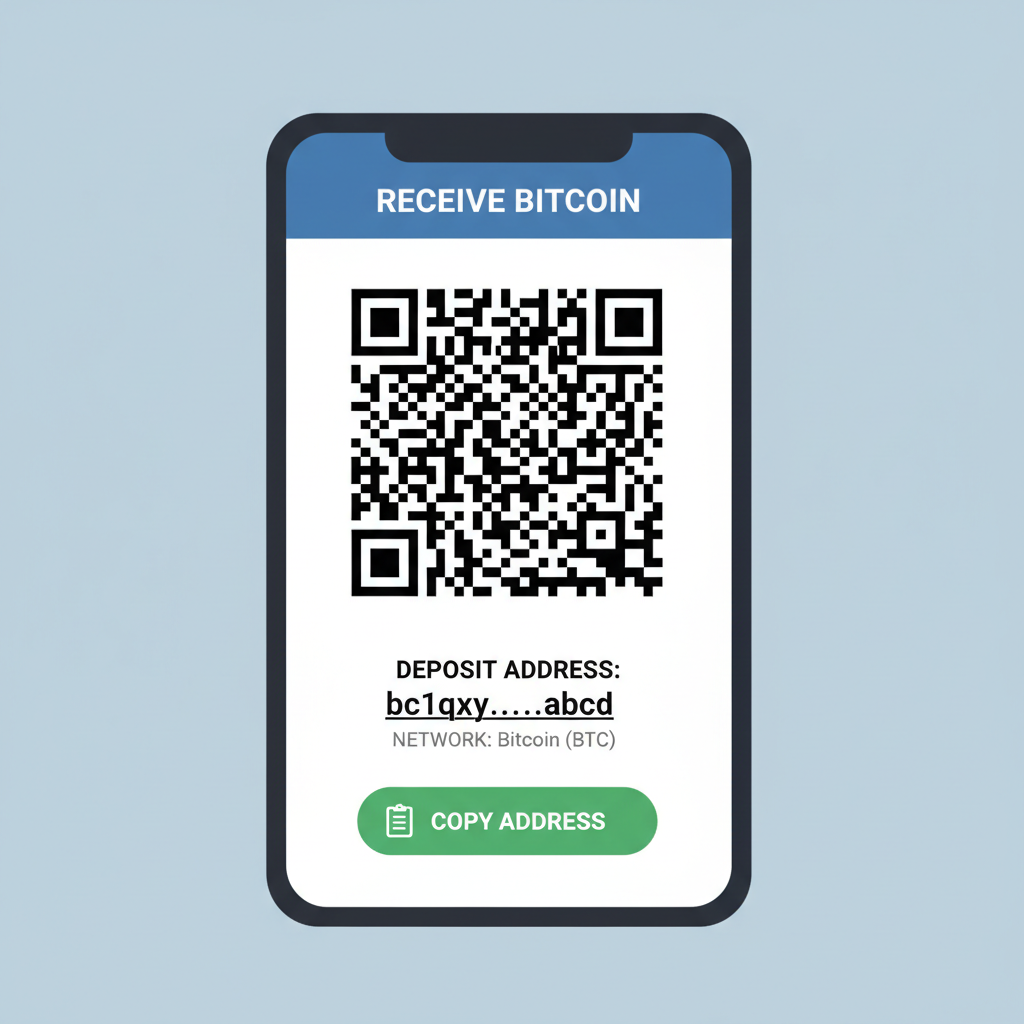
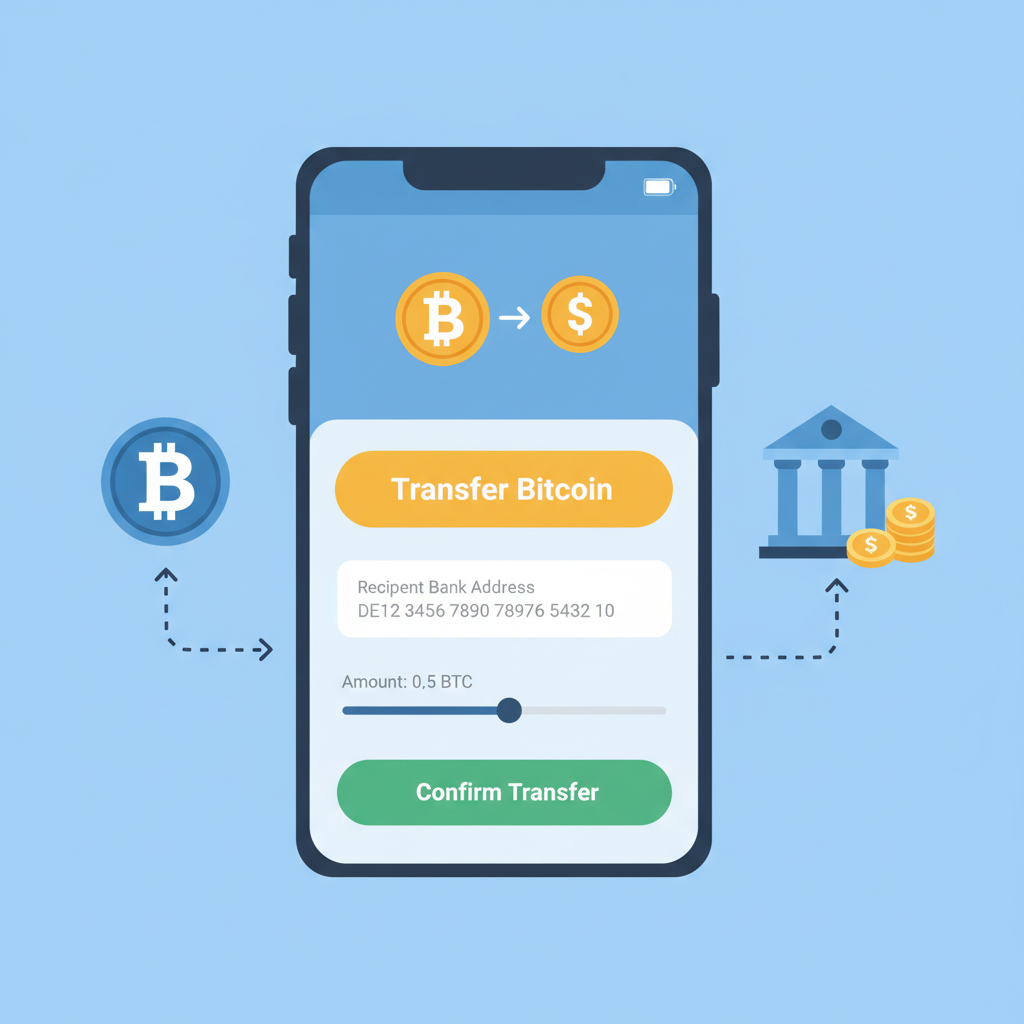
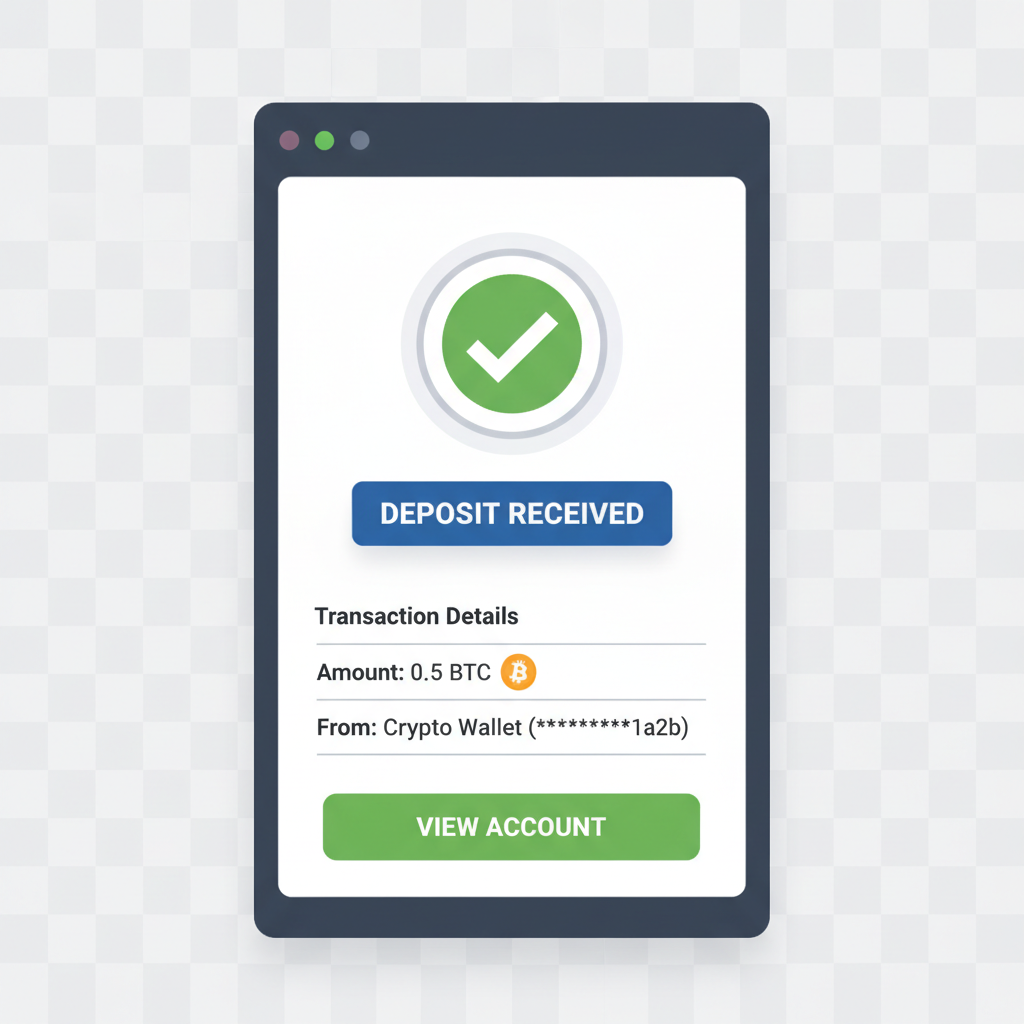

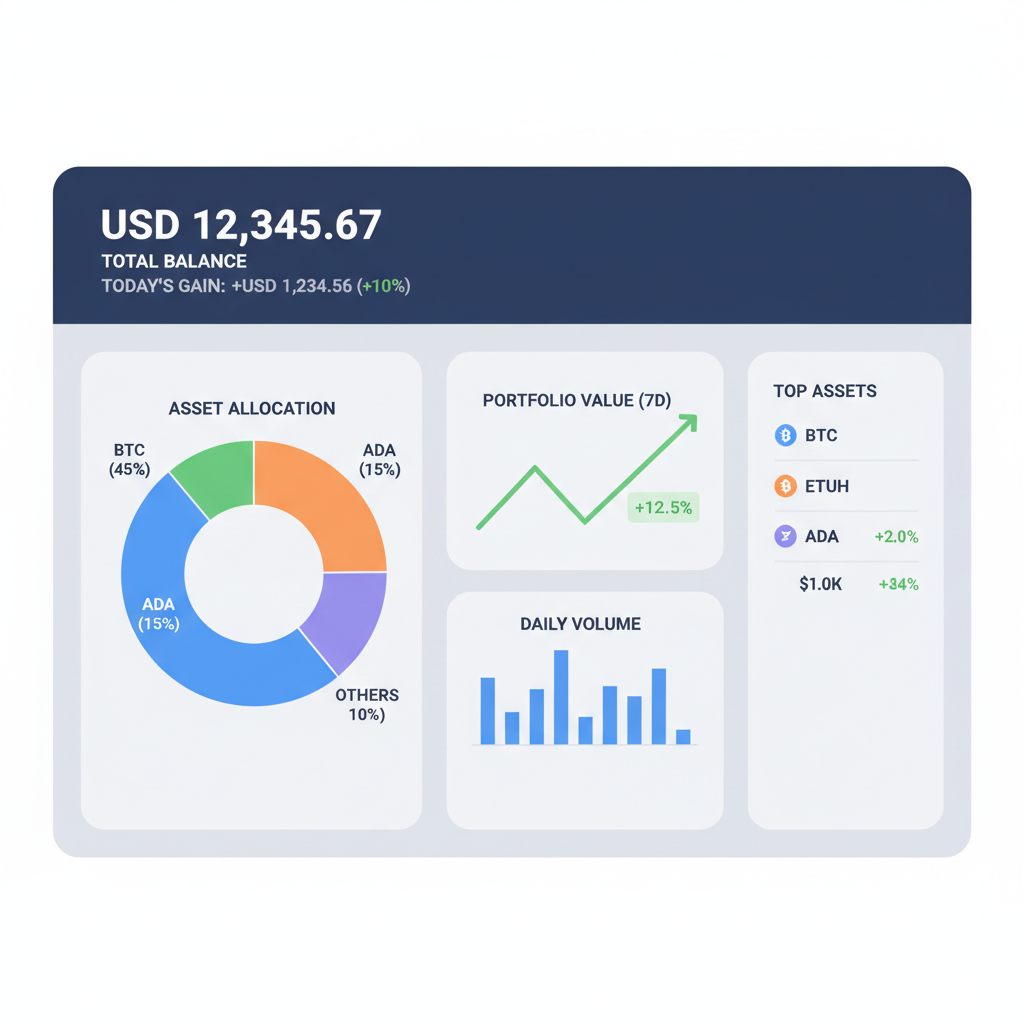
From my vantage in risk assessment, the real edge lies in collateralized lending. Banks holding principal crypto can collateralize client positions more credibly, unlocking yields without full liquidation risks. Yet success hinges on execution: integrate APIs from custodians like Fireblocks, calibrated to Letter 1186 limits.
Explore user-focused insights in OCC Ruling Lets US Banks Hold Crypto for Gas Fees - What Crypto Users Need to Know.
Risks and Safeguards: Staying Within Bounds
No regulatory thaw comes without pitfalls. Volatility remains the prime threat; a Bitcoin drop below $86,126.00 could strand fee holdings underwater if not dynamically rebalanced. Operational hiccups, like private key compromises, amplify under banking scrutiny. The OCC mandates safe and sound practices, translating to multi-sig wallets, cold storage ratios above 90%, and real-time volatility-adjusted caps.
Key Risks & Mitigations (OCC 1186)
- Market Volatility: Crypto prices fluctuate rapidly; Bitcoin currently at $87,586 with 24h change of -0.004%. Mitigation: Limit holdings to amounts necessary for gas fees/testing, per OCC guidance, and use position limits/hedging.
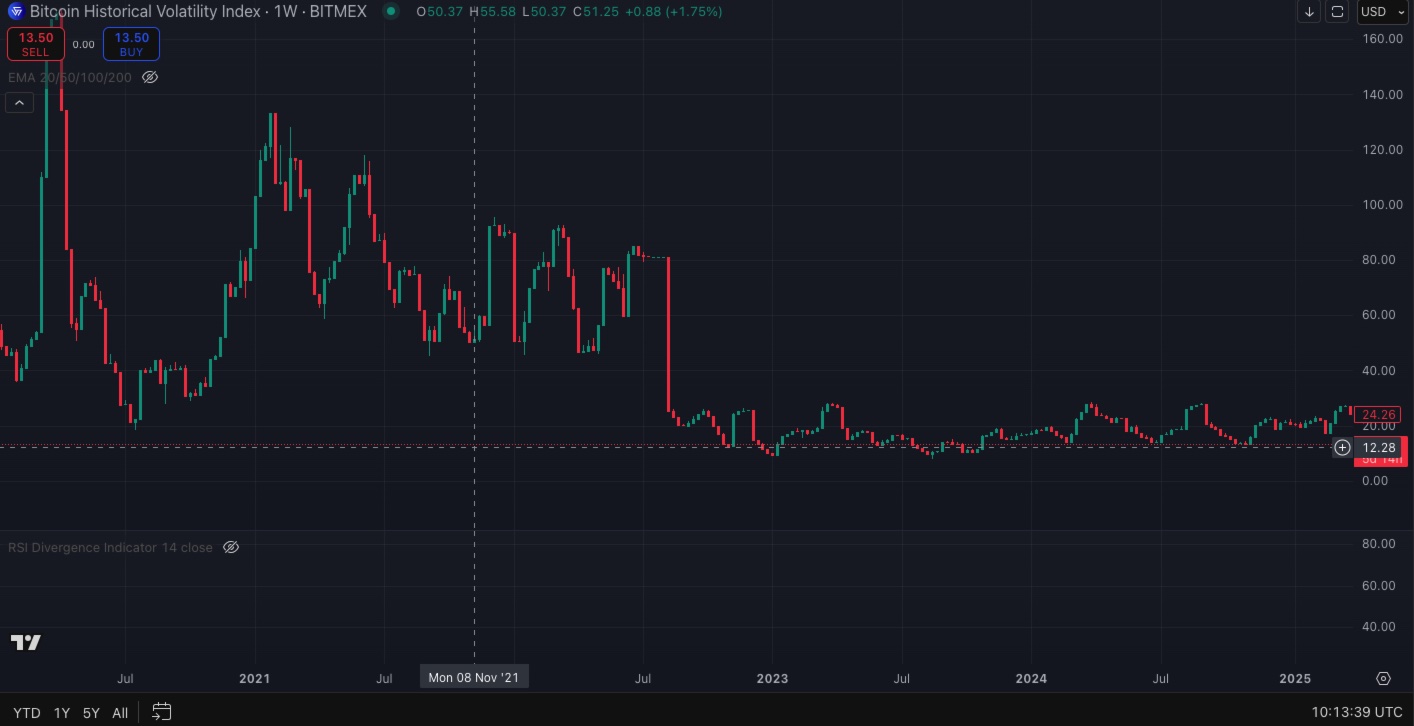
- Custody Breaches: Risks of hacks/theft in crypto storage. Mitigation: Employ cold storage, hardware security modules (HSMs), multi-signature wallets, and third-party insurance like Lloyd's of London policies.

- Regulatory Shifts: Potential changes in crypto rules. Mitigation: Maintain ongoing compliance monitoring, engage legal counsel, and adhere to safe/sound banking principles outlined in OCC letters.

Banks must document every holding decision, tying it to projected fees via econometric models. I've advised firms on similar setups: stress-test against 30% drawdowns, diversify across assets if multi-chain, and audit quarterly. Non-compliance risks cease-and-desist orders, eroding trust faster than any hack.
National banks now stand on firmer ground, but only if they treat crypto as utility, not upside, per Jones Day analysis.
Future Outlook: Reshaping Crypto Banking in 2026
As 2026 unfolds under crypto bank regulations 2026, expect pilots from BNY Mellon and State Street, scaling gas-funded services to enterprise clients. This paves the way for stablecoin settlements and tokenized deposits, all principal-backed within limits. Bitcoin's poise at $87,586.00, down just 0.004230% today, underscores market maturity aligning with policy.
For businesses, the shift means treasury diversification: hold USD equivalents in banks, deploy via on-chain ops without friction. Individuals, select custodians with proven OCC adherence; integration with trading platforms will define winners. This letter isn't revolution, but evolution - deliberate steps fortifying digital finance against shocks.
Strategic insight demands vigilance: monitor OCC bulletins, as expansions to full custody loom. Banks embracing this now position for dominance in a $87,586.00 Bitcoin era, where custody meets capital efficiency head-on.





No comments yet. Be the first to share your thoughts!