
In the evolving landscape of digital finance, few developments carry the weight of Telcoin's achievement as the first US regulated digital asset bank. With final charter approval from the Nebraska Department of Banking and Finance in November 2025, Telcoin Digital Asset Bank has positioned itself at the intersection of traditional banking safeguards and blockchain innovation. This milestone, enabled by the Nebraska Financial Innovation Act, allows Telcoin to issue eUSD, the pioneering regulated, bank-issued U. S. dollar stablecoin. As of January 22,2026, Telcoin's native token TEL trades at $0.004115, reflecting a modest 0.2289% increase over the past 24 hours, underscoring steady market interest amid broader crypto volatility.
Telcoin's Charter: Pioneering Regulated Crypto Banking in America
The approval marks a seismic shift for U. S. crypto banking. Unlike previous attempts by fintechs to navigate fragmented regulations, Telcoin's charter establishes it as a full-fledged Digital Asset Depository Institution. This isn't mere permission to custody assets; it's authorization to operate as a true blockchain bank, bridging fiat deposits with on-chain activities. Governor Pillen's signing of the charter highlighted Nebraska's forward-thinking stance, positioning the state as a hub for financial innovation. For investors and users, this translates to unprecedented legitimacy. Telcoin can now hold U. S. dollar deposits, issue stablecoins backed by those reserves and short-term Treasuries, and integrate seamlessly with existing payment rails.
From a macroeconomic perspective, this development arrives at a critical juncture. With traditional banks wary of crypto exposure post-2022 downturns, Telcoin fills a void. Its model emphasizes patience and foresight, aligning with sustainable wealth-building over speculative frenzies. The launch of eUSD on December 26,2025, on Ethereum and Polygon networks, exemplifies this measured approach, offering stability without the opacity plaguing some competitors.
Core Services: eUSD and Emerging Account Offerings
At the heart of Telcoin services 2026 lies eUSD, backed 1: 1 by dollar deposits and short-term Treasuries. This isn't just another stablecoin; it's the first under direct bank oversight, redeemable for fiat and designed for everyday utility. Users can deposit USD via integrated wallets, mint eUSD for transfers, payments, or DeFi participation, all while enjoying the security of regulated reserves. Personal accounts, rolling out in early 2026, will tie into the Telcoin Wallet, enabling seamless USD-to-eUSD conversions for global remittances or on-chain spending. Businesses gain even more: minting, redeeming, and payroll in eUSD, coupled with API-driven payments that rival legacy systems in speed and cost.
This suite positions Telcoin as a comprehensive platform. Imagine a world where your bank account fluidly morphs into programmable money on Polygon, without KYC hurdles or offshore risks. Early adopters will likely leverage eUSD for cross-border efficiency, a nod to Telcoin's telecom-rooted origins in mobile remittances.
Fortified Security: Reserves, Compliance, and Transparency
Security defines Telcoin Digital Asset Bank's edge. Operating under the Nebraska Financial Innovation Act, it adheres to federal-grade standards, including regular audits and reserve attestations. eUSD's backing by FDIC-insured deposits and Treasuries minimizes counterparty risk, a stark contrast to off-balance-sheet models elsewhere. Transparency reports, promised monthly, will detail reserve compositions, fostering trust through verifiable data.
In my 17 years analyzing markets, I've seen too many 'stable' assets falter due to lax oversight. Telcoin's structure mitigates this; as a chartered bank, it faces examiner scrutiny akin to JPMorgan, not venture-backed issuers. Multi-signature wallets, cold storage for reserves, and insurance layers further bolster defenses against hacks or insolvency.
Telcoin (TEL) Price Prediction 2027-2032
Forecasts based on Telcoin Digital Asset Bank launch, eUSD stablecoin adoption, and regulatory advantages in the US
| Year | Minimum Price (USD) | Average Price (USD) | Maximum Price (USD) |
|---|---|---|---|
| 2027 | $0.0050 | $0.0085 | $0.0150 |
| 2028 | $0.0100 | $0.0200 | $0.0400 |
| 2029 | $0.0150 | $0.0350 | $0.0700 |
| 2030 | $0.0250 | $0.0600 | $0.1200 |
| 2031 | $0.0400 | $0.0950 | $0.1800 |
| 2032 | $0.0600 | $0.1400 | $0.2500 |
Price Prediction Summary
Telcoin (TEL), starting from $0.0041 in 2026, is expected to experience substantial growth due to its pioneering role as the first US-regulated digital asset bank and the launch of eUSD, the first bank-issued stablecoin. Conservative minimums reflect bearish market cycles and competition, while maximums capture bullish adoption scenarios, projecting up to 60x growth by 2032 amid regulatory tailwinds and DeFi integration.
Key Factors Affecting Telcoin Price
- Rapid adoption of eUSD stablecoin backed by USD deposits and Treasuries
- Regulatory compliance under Nebraska Financial Innovation Act enhancing investor trust
- Launch of personal and business accounts bridging TradFi and DeFi
- Favorable crypto market cycles post-2028 Bitcoin halving
- Competition from USDT/USDC but superior bank-issued status
- Network expansions on Ethereum/Polygon and technological upgrades
- Macro factors like US regulatory clarity for digital assets
Disclaimer: Cryptocurrency price predictions are speculative and based on current market analysis. Actual prices may vary significantly due to market volatility, regulatory changes, and other factors. Always do your own research before making investment decisions.
Yet, true resilience lies in its hybrid model. By connecting TradFi rails to DeFi, Telcoin reduces friction points vulnerable to exploits. For businesses eyeing crypto banks US comparison, this regulatory moat is invaluable, especially as global stablecoin scrutiny intensifies.
Telcoin's regulatory foundation not only safeguards users but also sets a benchmark for the industry, prompting inevitable crypto banks US comparison. As stablecoin volumes swell toward trillions in 2026, the distinction between bank-issued and corporate-issued assets sharpens. eUSD's path through state examiners contrasts sharply with the paths of giants like USDT and USDC, which, despite dominance, have weathered reserve controversies and offshore domiciles.
Strategic Comparison: Telcoin vs. Leading Stablecoins and Crypto Platforms
Consider the landscape: Tether's USDT commands vast liquidity but operates from opaque reserves, occasionally drawing regulatory heat. Circle's USDC offers transparency via attestations, yet lacks the depository charter that mandates on-site audits. Telcoin's eUSD, as a bank product, embeds compliance from inception, redeemable directly through USD accounts without intermediary trust. This elevates it beyond fintech wrappers like SoFi's crypto offerings, which bundle trading atop traditional brokerage without native stablecoin issuance or blockchain custody.
Comparison: Telcoin eUSD vs USDT, USDC, and SoFi Crypto
| Stablecoin/Service | Issuer Type | Regulation | Backing Assets | Networks | Redemption Process |
|---|---|---|---|---|---|
| eUSD | Regulated U.S. Digital Asset Bank (Telcoin) | Nebraska Financial Innovation Act charter; full banking supervision ✅ | 1:1 U.S. dollar deposits & short-term Treasuries ✅ | Ethereum, Polygon | Direct 1:1 USD redemption via personal/business bank accounts |
| USDT | Private offshore company (Tether Ltd.) | Limited; BVI-registered with attestations (no full banking oversight) | Cash equivalents, Treasuries, commercial paper (transparency concerns) | Multiple (Ethereum, Tron, Solana, Arbitrum, etc.) | OTC via Tether (high min. amounts, KYC required) |
| USDC | Private fintech company (Circle) | Money transmitter licenses (U.S. states), NYDFS BitLicense | 100% cash & short-term U.S. Treasuries | Multiple (Ethereum, Solana, Polygon, Base, etc.) | 1:1 USD via Circle Mint (businesses, min. $100K) |
| SoFi Crypto | Digital bank/fintech (SoFi) | FDIC-insured for fiat; crypto via regulated partners | N/A (spot trading BTC, ETH, etc.) | N/A (custody via partners like Coinbase) | Sell crypto for USD to FDIC-insured SoFi account |
In practical terms, businesses weighing telcoin vs sofi crypto find Telcoin's model superior for scale. SoFi provides user-friendly access to Bitcoin or Ethereum buys, but lacks programmable money issuance or direct fiat bridging. Telcoin enables payroll in eUSD, settling on Polygon at fractions of a cent, while SoFi routes through legacy rails. For remittances, Telcoin's telecom heritage shines; eUSD could slash costs from 6% industry averages to near-zero, all under U. S. oversight.
Market data reinforces this edge. With TEL at $0.004115 and a 24-hour gain of and $0.000770, sentiment ties to eUSD adoption. As personal and business accounts launch in early 2026, velocity should accelerate, potentially mirroring USDC's growth trajectory but with bank-grade premiums.
Telcoin's Key Edges
- First U.S. Regulated Digital Asset Bank: Charter from Nebraska Dept. of Banking & Finance under Financial Innovation Act, unlike SoFi's fintech model or non-bank stablecoin issuers.

- Bank-Issued eUSD Stablecoin: Fully regulated USD stablecoin backed 1:1 by deposits & short-term Treasuries, surpassing private issuers like Tether (USDT) & Circle (USDC).
- Superior Regulatory Oversight: Direct U.S. banking supervision, providing trust absent in traditional stablecoin models.
- Seamless TradFi-DeFi Integration: Personal & business accounts (early 2026) enable USD/eUSD deposits, minting, redemptions—beyond SoFi's crypto trading.
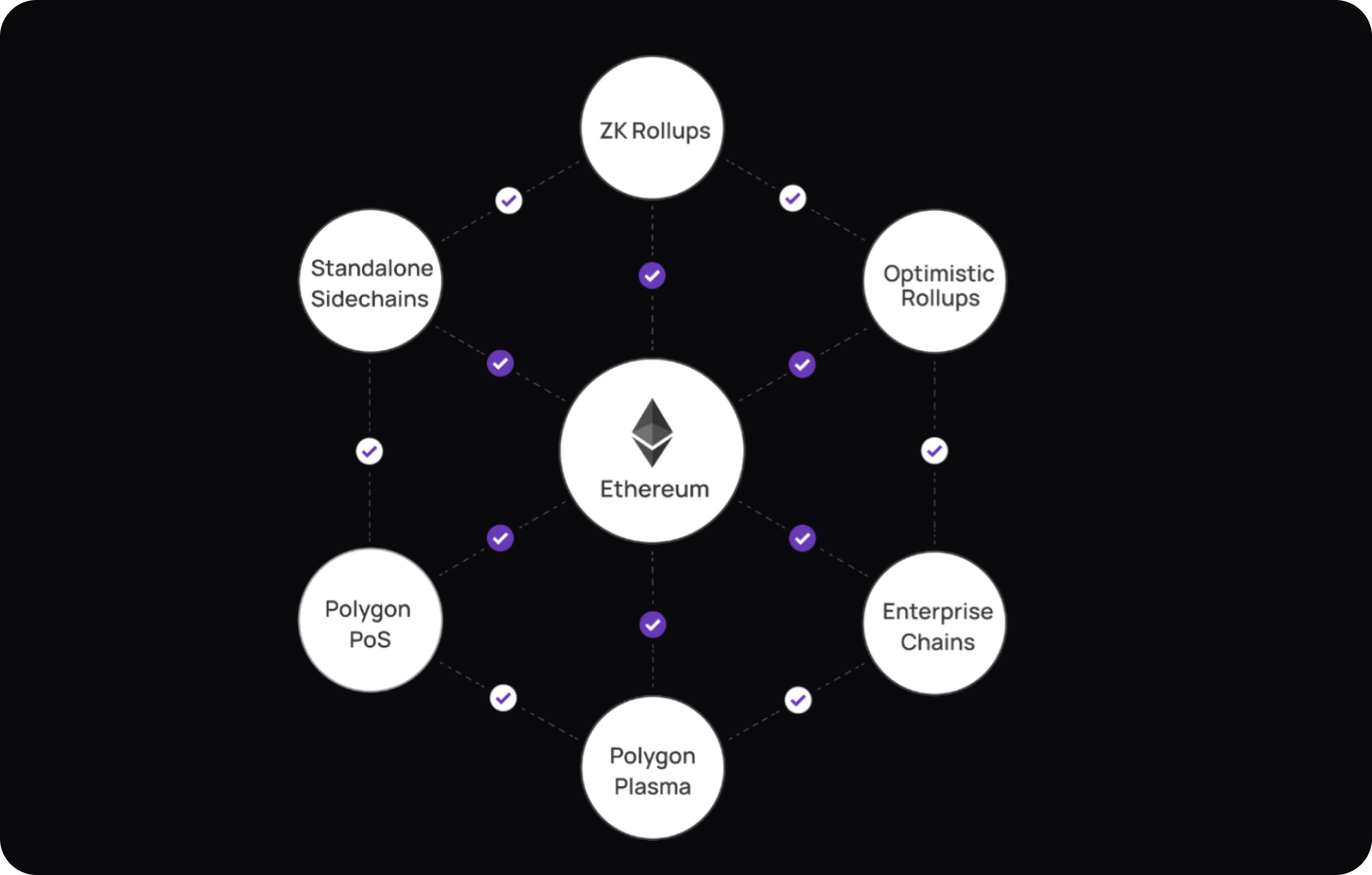
- Multi-Chain Deployment: eUSD on Ethereum & Polygon for efficient DeFi transactions.
- Proven Reserve Transparency: Regular disclosures of eUSD reserves, enhancing security over competitors.
From a portfolio lens, Telcoin merits allocation for patient investors. Its 17-year market cycles teach that regulated gateways endure. eUSD isn't chasing yield gimmicks; it's infrastructure, poised for embedded finance in apps and wallets. Early 2026 rollouts will test this, but Nebraska's charter signals federal pathways, perhaps inspiring copycats in Wyoming or Texas.
Looking Ahead: Adoption Catalysts and TEL's Trajectory
Telcoin's momentum builds on substance over hype. eUSD's Ethereum-Polygon deployment invites DeFi composability, from lending to yield farming, all redeemable to FDIC-insured dollars. Personal accounts promise wallet integration for seamless spending, while business tiers unlock B2B rails. Security layers, including multi-sig protocols and real-time monitoring, address past sector scars like FTX.
For strategic investors, the calculus favors Telcoin amid 2026's macro shifts. With interest rates stabilizing and crypto inflows resuming, regulated stablecoins like eUSD become liquidity conduits. TEL's price at $0.004115 undervalues this utility, especially as partnerships with telcos revive mobile money dreams globally.
This fusion of banking and blockchain redefines efficiency. Users gain trust without sacrificing speed; businesses, compliance without silos. As Telcoin scales, it doesn't just compete; it architects the next era of digital assets, rewarding those who invest with foresight.





No comments yet. Be the first to share your thoughts!