
In the evolving landscape of digital finance, SoFi Bank has marked a significant milestone by relaunching cryptocurrency trading services on November 11,2025. As the first and only nationally chartered, FDIC-insured U. S. bank to offer SoFi Bank crypto trading, it integrates buying, selling, and holding digital assets directly within its app alongside traditional banking. This move caters to U. S. users seeking a unified platform for managing fiat and crypto, potentially streamlining workflows for retail investors.
SoFi Bank's Pioneering Position in U. S. Crypto Banking
SoFi's relaunch positions it ahead of competitors, leveraging its national charter and regulatory approvals from the OCC and FDIC. Unlike pure-play crypto exchanges, SoFi enables SoFi crypto buy sell hold functionality from checking or savings accounts, reducing the need for external transfers. This first US national bank crypto offering emphasizes compliance and user trust, with crypto services built on bank-level security protocols. While cryptocurrencies remain uninsured by FDIC or SIPC, the platform's integration with insured banking products appeals to cautious investors diversifying into digital assets.
Regulatory shifts have paved the way, allowing banks like SoFi to re-enter crypto after previous pauses. The result is a seamless experience where users track banking, loans, investments, and now crypto in one dashboard. This holistic approach could lower barriers for beginners, though experienced traders might miss advanced tools found on specialized platforms.
Core Features Driving SoFi Crypto Adoption
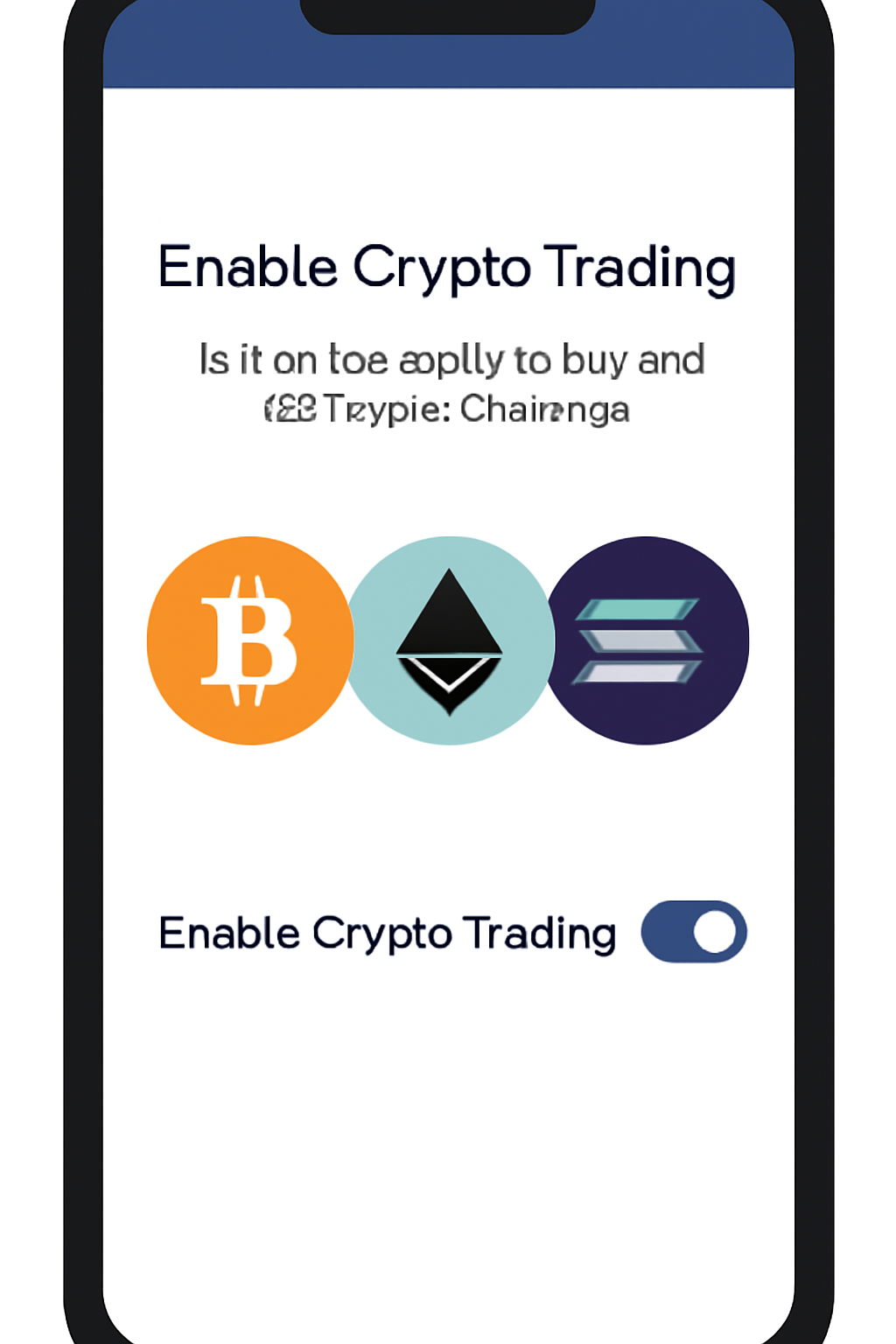
At its core, SoFi Crypto supports a curated selection of assets, including Bitcoin (BTC), Ethereum (ETH), and Solana (SOL), with expansion planned. Users access these via the app, executing trades instantly using linked account funds. Beyond basic transactions, in-app educational resources demystify blockchain basics, volatility risks, and strategy tips, fostering informed decisions.
SoFi Crypto Key Features
| Feature | Details |
|---|---|
| Supported Cryptocurrencies | Bitcoin (BTC), Ethereum (ETH), Solana (SOL), and dozens more (plans to expand) |
| Trading Fees | 1% flat fee on all buy/sell orders (displayed before confirmation) |
| Platform Integration | App-based; seamless with banking, checking, and savings accounts |
| Security | Bank-level; FDIC-insured bank but crypto not FDIC/SIPC insured |
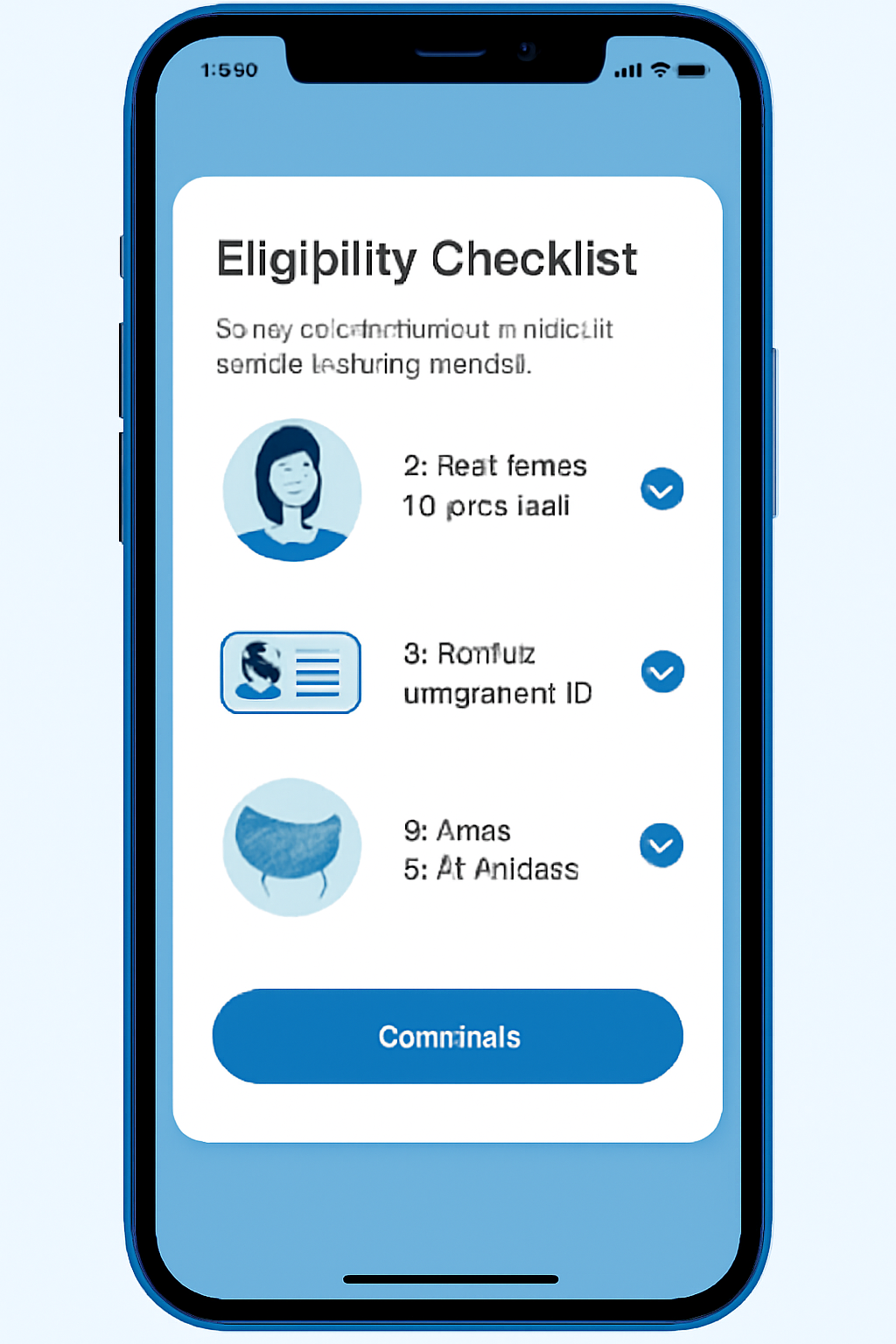
| Eligibility | US residents/citizens 18+ with SSN; requires SoFi Checking & Savings account |
The platform's strength lies in its interoperability; direct deposits can fund trades without wire fees, and holdings appear alongside stock portfolios. Security features include multi-factor authentication and cold storage for assets, aligning with institutional standards. For U. S. users, this means SoFi bank digital assets management without leaving a trusted banking environment, a rare convenience in 2025's fragmented market.
One nuanced advantage is the promotional zero-fee investing from direct deposits, originally launched in 2022. While users should verify current terms, it underscores SoFi's user-centric model, potentially offsetting the standard trading costs for frequent depositors.
Navigating SoFi Crypto Fees with Precision
Transparency defines SoFi's fee structure, centered on a flat 1% charge for all crypto buy and sell orders, previewed on the trade confirmation screen. This simplicity avoids tiered spreads or hidden markups common elsewhere, making SoFi crypto fees predictable. Network fees for deposits fall on users, a standard practice, but SoFi waives its own deposit costs.
Compared to exchanges charging 0.1-0.5% plus spreads, SoFi's 1% suits casual traders prioritizing integration over high-volume discounts. No custody or inactivity fees apply, enhancing cost efficiency for holders. Direct deposit perks could eliminate fees entirely for qualifying trades, a strategic incentive amid competitive pressures.
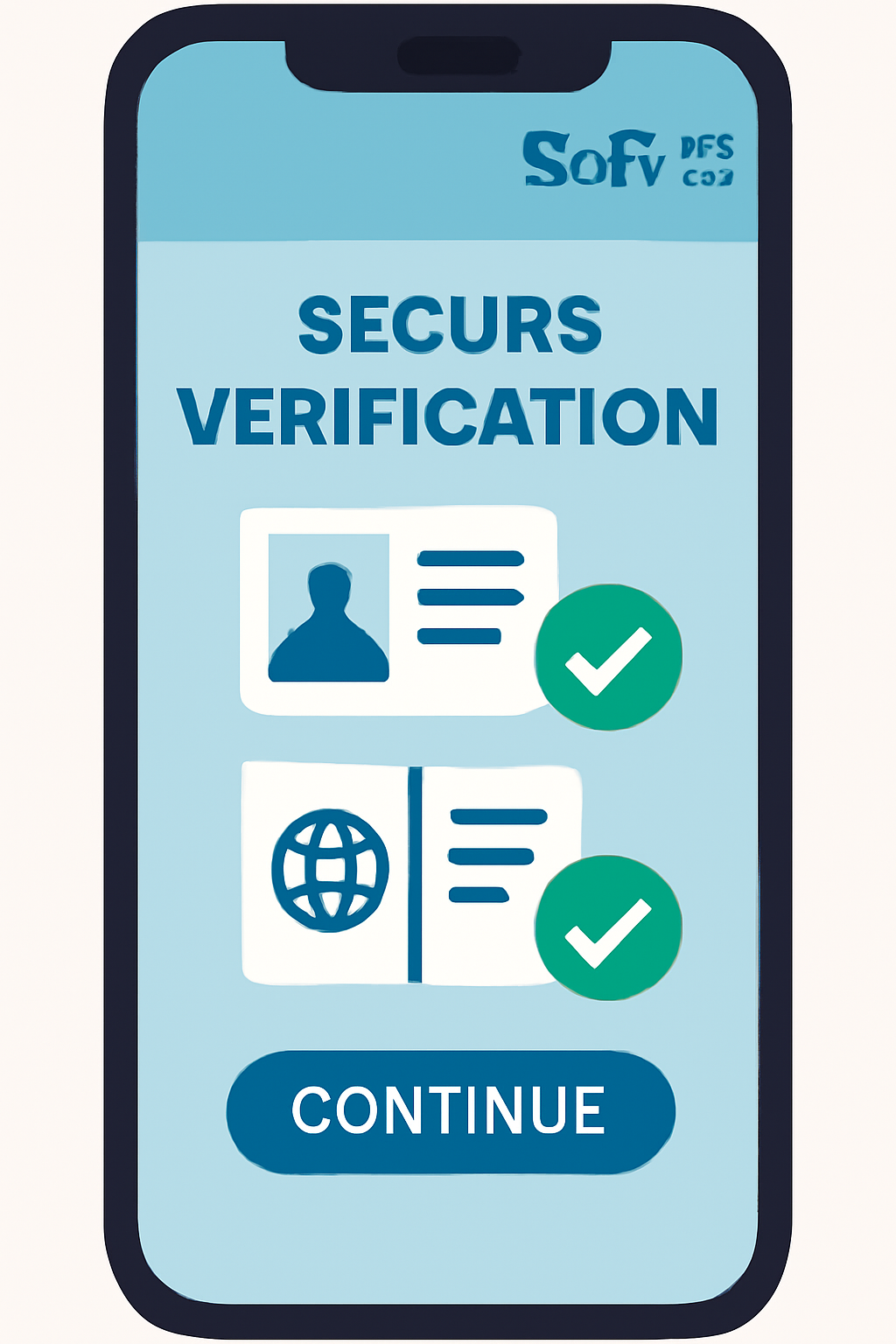
Eligibility requirements ensure SoFi maintains a compliant user base, aligning with federal standards for financial services. Beyond the basics of age, residency, citizenship status, and a valid Social Security number, applicants need an active SoFi Checking and Savings account. This linkage facilitates seamless funding, where balances directly support crypto purchases without additional verification hurdles. For permanent residents or visa holders, documentation upload during onboarding verifies status swiftly, typically within minutes.
Streamlined Onboarding for Eligible US Users
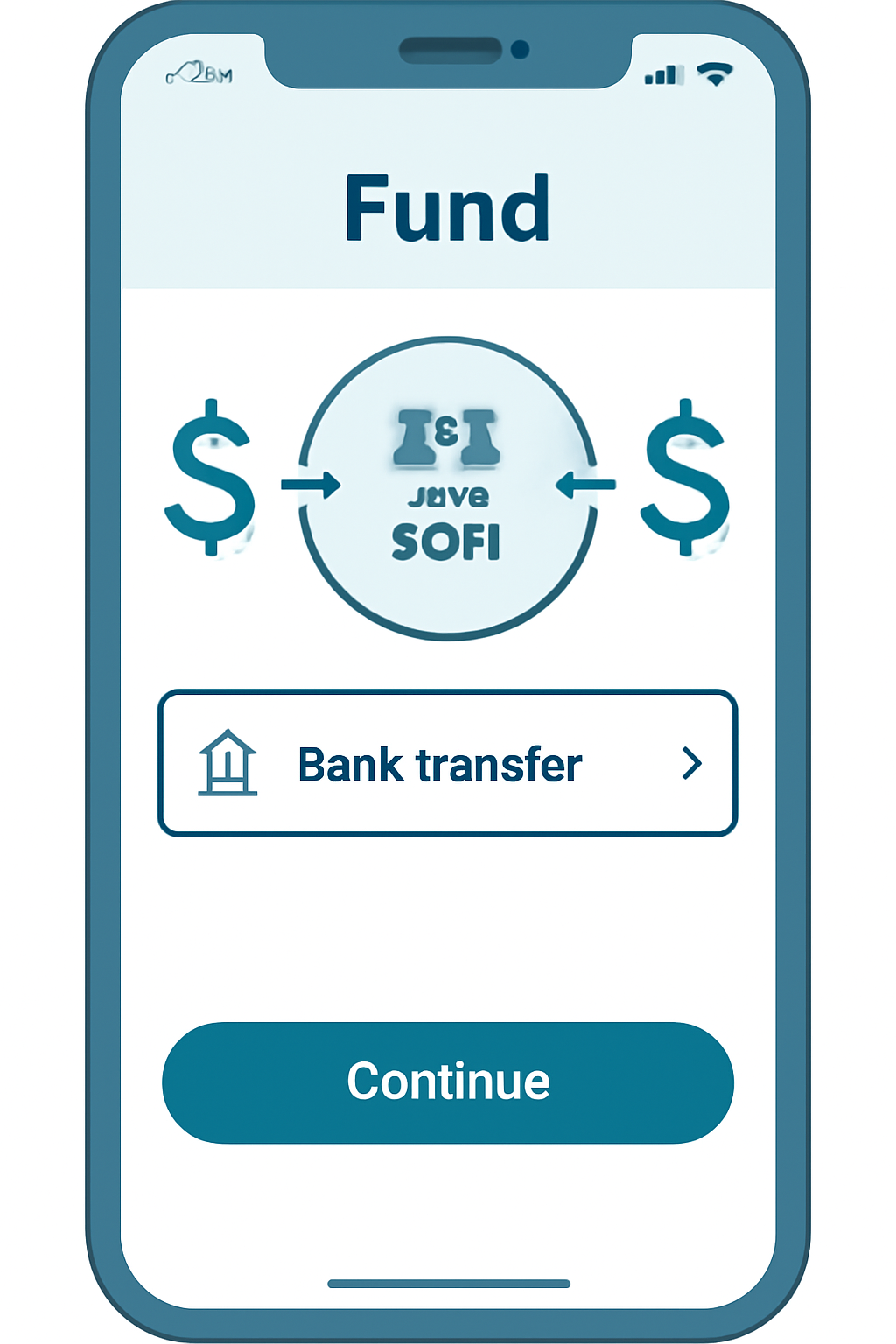
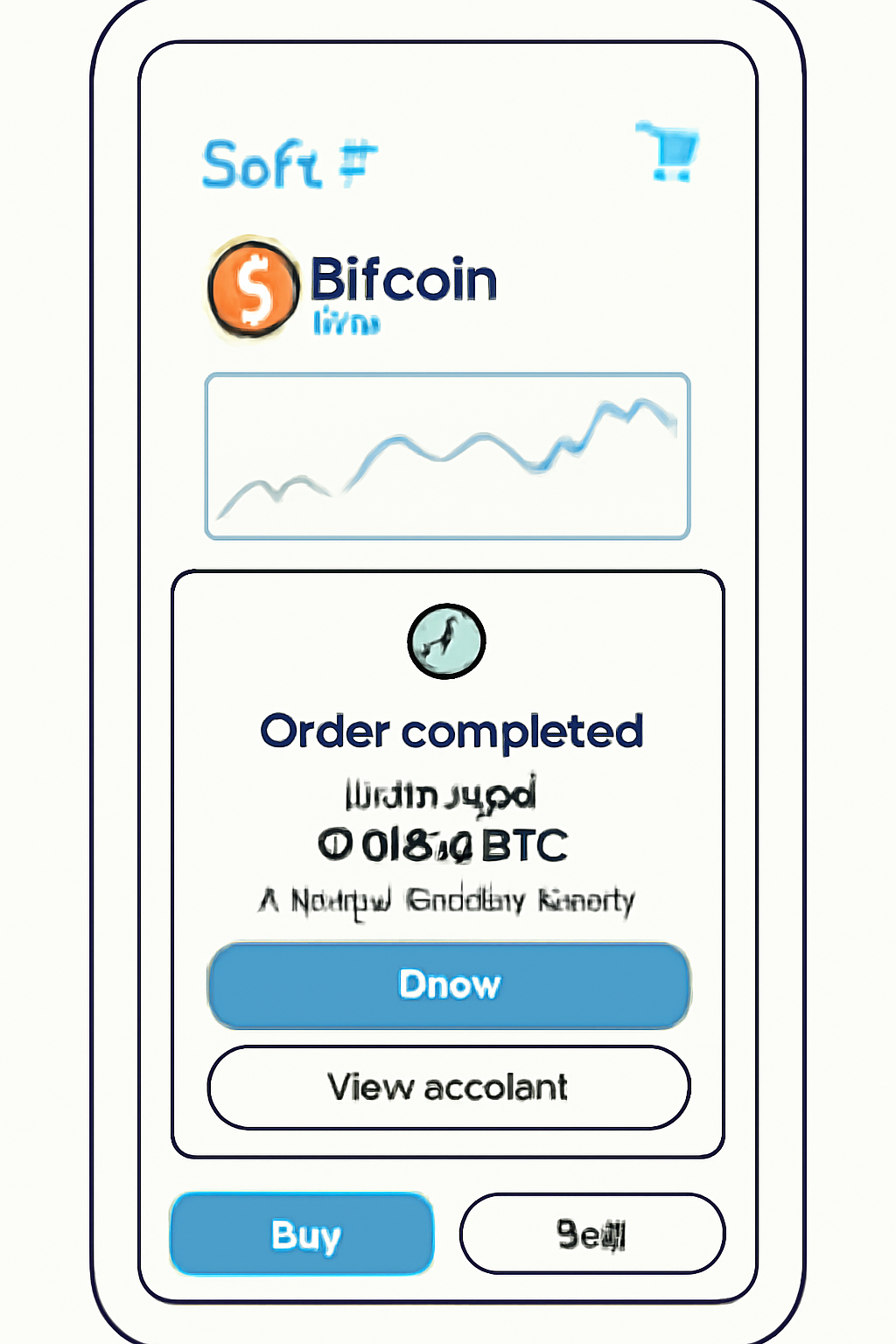
Once qualified, activation involves app navigation to the invest section, selecting crypto, and agreeing to risk disclosures. Funds transfer instantly from savings, with trades executing in real-time during market hours. This efficiency suits users juggling banking and investing, minimizing friction compared to siloed platforms. SoFi's approach democratizes access, particularly for those wary of unregulated exchanges post-2022 downturns. Yet, state-specific restrictions may apply; not all 50 states support crypto equally, a detail worth confirming via the app's eligibility checker.
Unlock SoFi Crypto: Step-by-Step Account Setup & First Trade
Security protocols merit close examination. While the banking side enjoys FDIC insurance up to $250,000, crypto holdings reside in segregated wallets using institutional-grade custody. Multi-signature approvals and real-time monitoring deter breaches, though users bear responsibility for phishing vigilance. Historical incidents at other platforms underscore this; SoFi's bank charter imposes stricter audits, potentially reducing systemic risks. Still, volatility remains inherent, with no principal protection for digital assets.
Balancing Opportunities Against Crypto Risks
For portfolio diversification, SoFi Crypto fits as a satellite allocation, say 5-10% for moderate risk tolerance. Its 1% fee structure favors long-term holders over day traders, where costs compound quickly. Integration shines for direct deposit users, automating dollar-cost averaging into BTC or ETH without manual intervention. Promotional zero-fee windows, if active, amplify this edge, though reliance on bank promotions introduces variability.
Drawbacks surface for advanced users: limited asset selection trails exchanges offering 100 and coins, and absence of margin or derivatives curbs speculative plays. Liquidity, while adequate for retail volumes, may lag during extreme volatility. Tax reporting integrates with Form 1099 issuance, simplifying compliance, but users must track cost basis meticulously amid frequent trades.
Objectively, SoFi excels for beginners and hybrid finance enthusiasts, bridging traditional and digital worlds under one regulatory umbrella. Its pioneering status signals broader bank adoption, potentially pressuring incumbents like Chase or Wells Fargo to follow. Risk-adjusted, the platform suits those prioritizing convenience over yield optimization, embodying controlled exposure in an asset class prone to sharp swings.
Monitoring expansions in supported coins or fee reductions will clarify long-term viability. Users inclined toward deeper liquidity might layer SoFi with specialized exchanges, arbitraging its banking synergy. Ultimately, aligning crypto allocation with personal benchmarks ensures sustainable engagement, where integration trumps isolation in a maturing market. Verify latest terms at SoFi's site to navigate evolving offerings effectively.





No comments yet. Be the first to share your thoughts!