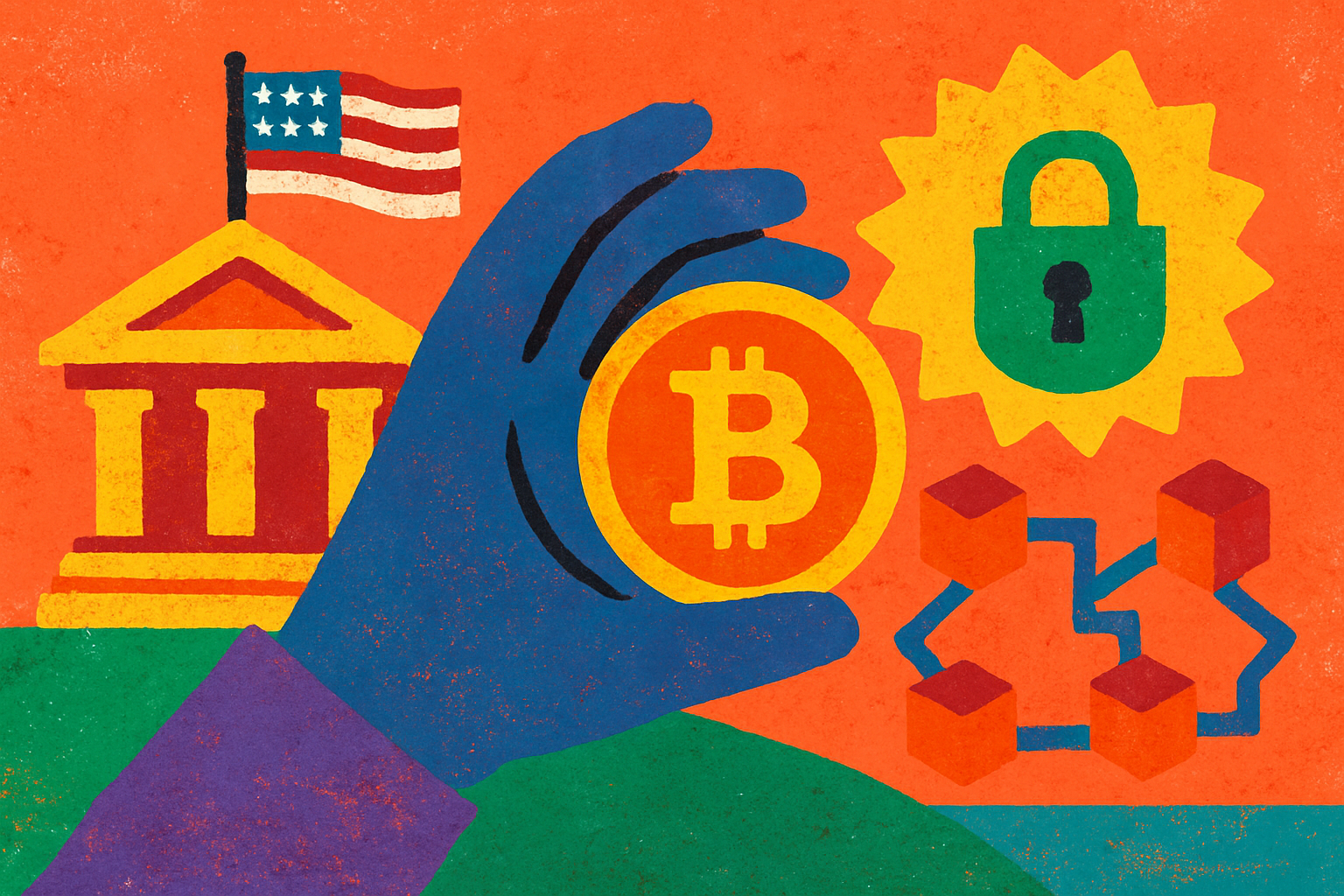
In a pivotal move for the U. S. financial sector, national banks are now officially allowed to hold cryptocurrency assets on their balance sheets, but with a very specific purpose: paying blockchain network fees, also known as "gas fees. " This regulatory update, confirmed by the Office of the Comptroller of the Currency (OCC) in Interpretive Letter 1186 on November 18,2025, marks a significant step toward integrating digital assets into mainstream banking operations. For banks and businesses navigating the evolving landscape of crypto banking regulation in 2025, this change opens new avenues while imposing strict compliance requirements.
What Does OCC Interpretive Letter 1186 Mean for U. S. Banks?
The OCC’s guidance provides long-awaited clarity on a nuanced aspect of crypto banking: Can US banks hold crypto to pay blockchain network fees? The answer is now a clear yes, but only within carefully defined boundaries. According to Interpretive Letter 1186, national banks may permissibly hold certain crypto assets as principal, specifically for covering transaction costs incurred when interacting with public blockchains. This includes paying gas fees required to process transactions or test blockchain-based platforms.
However, there’s an important caveat: The total amount of crypto held must be de minimis: kept small relative to the bank’s capital and strictly limited to anticipated fee payments or testing needs. In other words, this isn’t a green light for speculative trading or large-scale crypto accumulation by banks; it’s about operational necessity and efficiency.
How This Impacts Crypto Banking Regulation in 2025
This update is part of a broader regulatory shift in 2025 that has seen U. S. agencies like the OCC and FDIC ease restrictions on certain bank-led crypto activities. Earlier this year, both regulators rescinded prior approval requirements for activities such as crypto custody services and participation in distributed ledger networks, provided risk management protocols are robust and compliant with existing laws.
The ability for banks to directly hold digital assets for network fee payments has several immediate implications:
- Simplified Operations: Banks no longer need third-party intermediaries just to pay blockchain transaction fees.
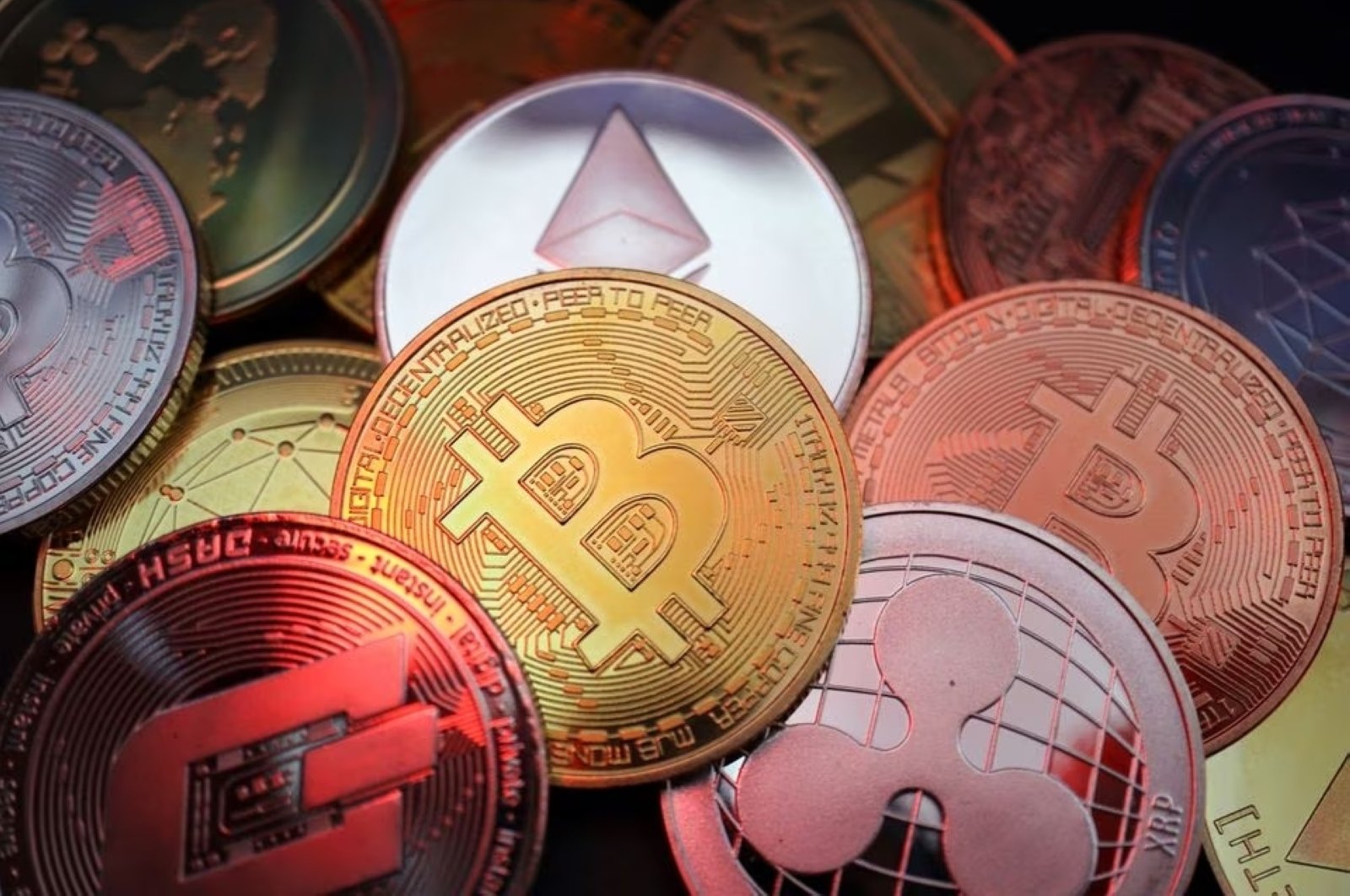
- Faster Settlement: Direct access to native tokens like ETH or BTC streamlines participation in decentralized finance (DeFi) and blockchain-based payment platforms.
- Enhanced Testing: Institutions can more easily test new blockchain products using real networks without regulatory ambiguity about holding small amounts of native tokens.
Banks must still adhere to strict internal controls and risk management standards when holding these assets, underscoring that compliance remains at the forefront of every new development in US crypto banking.
The Practical Limits: What "De Minimis" Really Means
The OCC’s language around "de minimis" is deliberate, and crucial for compliance teams interpreting what’s allowed. While there’s no hard dollar cap specified in public guidance, the intent is clear: banks should only hold enough cryptocurrency necessary for their immediate operational needs related to network fees or platform testing. This prevents exposure to market volatility while ensuring regulatory scrutiny remains manageable.
This approach balances innovation with safety, a hallmark of U. S. financial oversight, and positions traditional institutions as responsible participants in blockchain ecosystems rather than speculative actors.
For compliance officers and operations teams, this means new policies and procedures must be developed to track, monitor, and report crypto holdings down to the smallest unit. Automated risk controls, frequent reconciliations, and transparent accounting are now table stakes for any bank planning to take advantage of this expanded authority.
Opportunities and Challenges for U. S. Banks
While the OCC’s guidance is a win for operational efficiency, it also introduces new complexities. Banks must integrate crypto custody solutions that support secure storage of network fee assets, often requiring collaboration with regulated third-party custodians or the development of in-house digital asset infrastructure.
- Technology Upgrades: Many core banking systems were not designed for digital asset management. Integrating wallet technology and blockchain monitoring tools is now on the agenda for IT teams.
- Staff Training: Employees will need education on how crypto transactions differ from traditional payments, including how gas fees are calculated and paid.
- Regulatory Audits: Examiners will expect granular documentation around every step of crypto asset handling, from acquisition to disposal, to ensure banks remain within "de minimis" boundaries.
This is a progressive but cautious step forward. U. S. banks aren’t suddenly becoming full-scale crypto trading desks; rather, they’re being empowered to participate in blockchain networks as needed by modern payment rails and financial products.
What This Means for Businesses and Crypto Users
The impact extends beyond the walls of financial institutions. For fintechs, enterprises, and even retail users who rely on banks as payment partners or settlement agents, this new clarity means smoother interactions with DeFi protocols, faster cross-border settlements, and more predictable transaction costs.
If you’re a business integrating blockchain payments or experimenting with tokenized assets, your bank’s ability to pay network fees directly can reduce friction in onboarding and daily operations. It’s also likely to spur further innovation in crypto payment services offered by traditional banks, especially as more institutions build out compliant digital asset infrastructure.
For those seeking deeper insights into how these regulatory changes shape the future of U. S. crypto banking, including practical guides for businesses, explore our dedicated resource: How US Banks Are Now Allowed to Hold Crypto for Blockchain Network Fees: 2025 Guide.
Looking Ahead: The Next Steps in Crypto Banking Regulation
The OCC’s letter is part of a larger pattern of incremental progress toward mainstreaming digital assets within regulated finance. As regulators observe how banks manage these limited holdings, and as technology matures, we may see further loosening (or tightening) of rules around broader crypto activities like lending or staking.
Banks hoping to expand their digital asset footprint should stay proactive on compliance trends and engage with regulators early when exploring new use cases beyond network fee payments. The key takeaway? The door is open, but only just enough to allow safe passage through the evolving world of blockchain-based finance.





No comments yet. Be the first to share your thoughts!