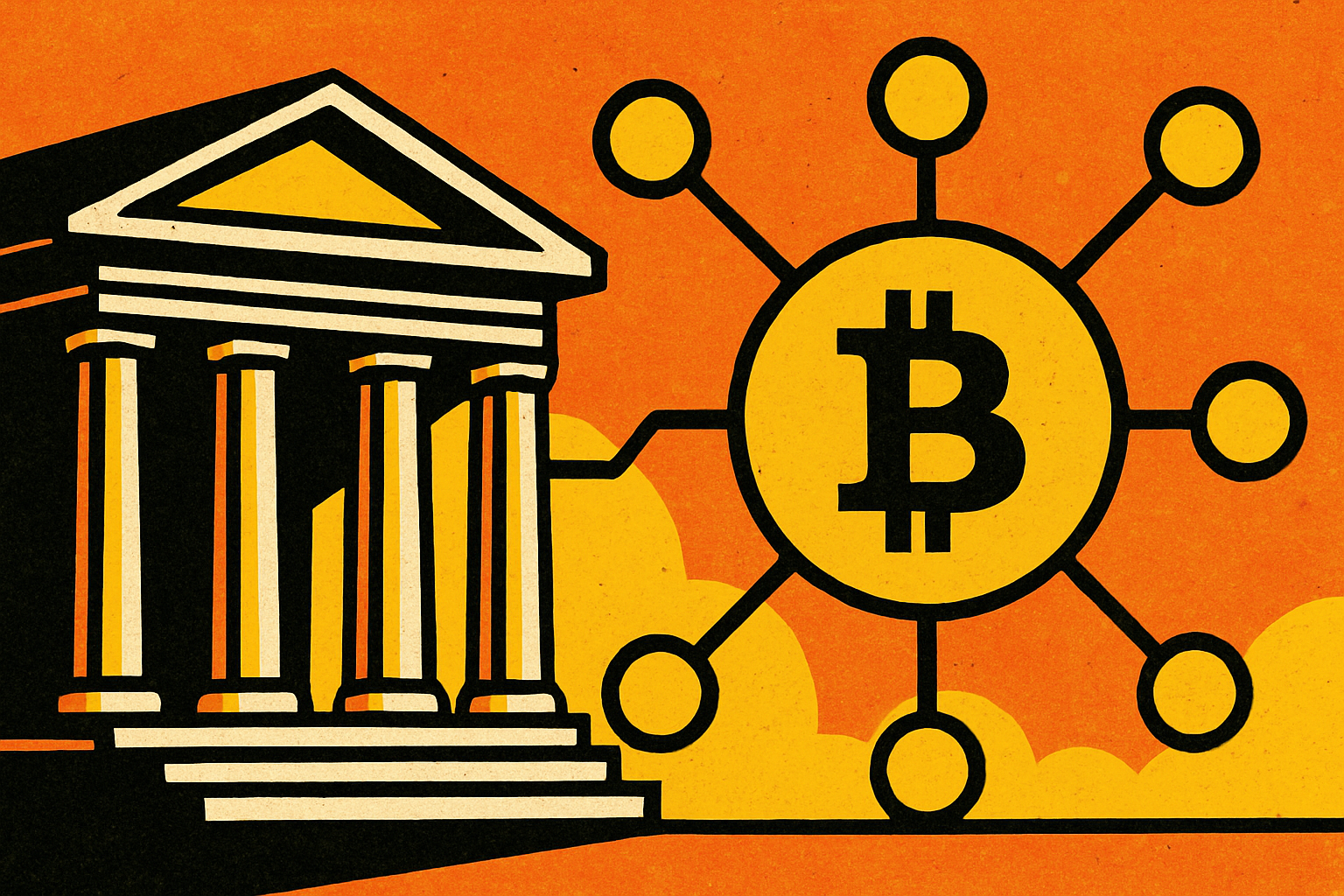
The U. S. crypto banking sector just hit a major inflection point. On November 18,2025, the Office of the Comptroller of the Currency (OCC) issued Interpretive Letter No. 1186, officially permitting national banks to hold cryptocurrencies on their balance sheets for the explicit purpose of paying blockchain network fees, commonly called “gas fees. ” This regulatory green light is more than a technicality; it’s a direct signal that U. S. banks are being ushered into the operational core of blockchain networks, not just hovering at the edges as custodians or passive intermediaries.

What OCC’s New Crypto Policy Means for Banks
Until now, U. S. banks were largely restricted to offering crypto custody or facilitating transactions through third-party providers when it came to blockchain-based services. The OCC’s latest guidance is a game changer, banks can now directly acquire and hold assets like Ethereum (ETH) specifically for paying network fees on public blockchains. This move tackles one of the biggest bottlenecks in institutional blockchain adoption: operational friction from relying on external service providers for basic network participation.
Key takeaways:
- Operational efficiency: Banks can streamline settlement and transaction processes by paying gas fees themselves, cutting both costs and time-to-market for new services.
- Risk management: Holding crypto assets internally allows banks to better control exposure to counterparty risk and reduce vulnerabilities tied to third-party errors or insolvency.
- Regulatory certainty: With clear OCC guidance, compliance teams can build robust frameworks around crypto asset management, no more regulatory gray zones when handling network fees.
The Mechanics: How Banks Will Hold and Use Crypto for Fees
The practical upshot is straightforward but profound: Banks may now hold only as much cryptocurrency as they "reasonably anticipate needing" to pay network fees for approved activities like transaction settlement or testing new blockchain platforms (see more on evolving bank custody trends here). For example, if a bank is piloting an Ethereum-based payment rail, it can purchase ETH in advance and draw down balances as needed when processing transactions or running smart contract tests.
This change isn’t just about cost savings, it also unlocks faster product development cycles. By holding tokens in-house, banks can run continuous testnets, experiment with DeFi integrations, or even launch new asset-backed products without waiting days for external vendors to process fee payments.
Implications for Crypto Banking Compliance in 2025
This regulatory development has immediate implications for compliance officers and risk managers across the industry. The OCC’s letter makes it clear that while holding crypto assets is permissible, it must be done under strict safety and soundness standards. Expect rigorous internal controls around wallet security, transaction monitoring, and audit trails, banks will need airtight protocols to avoid regulatory backlash or operational mishaps.
For forward-thinking financial institutions already exploring digital asset rails, this shift represents both an opportunity and an obligation: integrate crypto processes at the core of your operations, or risk falling behind as competitors leverage blockchain efficiencies you can’t match without direct token access.
Industry insiders are already signaling that this move will separate the leaders from the laggards. Banks that embrace direct crypto holdings for network fees can offer faster settlement, lower transaction costs, and a broader menu of blockchain-powered services. Those that hesitate may find themselves boxed out of next-gen financial infrastructure as enterprise clients demand seamless, on-chain capabilities.
The compliance bar is high. The OCC expects rigorous controls over private key management, multi-signature wallets, and real-time monitoring for any suspicious or unauthorized transactions. Banks must also document their crypto holdings and fee usage in detail to maintain transparency with both regulators and customers. This is not a “set it and forget it” scenario, ongoing diligence is mandatory.
How This Shapes the Competitive Landscape
The ability to hold crypto for network fees will accelerate the race among U. S. banks to roll out advanced digital asset services. Expect to see more banks piloting tokenized payment rails, launching instant cross-border transfers, and experimenting with decentralized finance (DeFi) partnerships, all made possible by direct access to blockchain networks without third-party bottlenecks.
For fintechs and neobanks already fluent in crypto operations, this levels the playing field: traditional banks can now compete head-to-head on speed and cost efficiency. However, legacy institutions still face steep learning curves in wallet security and blockchain integration, areas where established crypto-native firms have years of operational head start.
What’s Next: Innovation and Customer Impact
Looking ahead into 2025, we’ll likely see rapid product development cycles as banks leverage their new authority to test-drive emerging protocols and launch customer-facing features faster than ever before. Customers could benefit from:
- Lower fees on blockchain-based transactions as banks optimize their gas payments internally
- Faster onboarding to digital asset accounts thanks to streamlined back-end operations
- More transparent pricing, since banks can directly manage, and potentially hedge against, volatile network fee costs
This shift could also spark new collaborations between regulated banks and DeFi platforms, blurring the lines between traditional finance and open-source innovation. As compliance standards evolve, expect more robust integrations with stablecoins, smart contracts, and tokenized assets.
Final Thoughts: The Road Ahead for Crypto Banking Compliance in 2025
The OCC’s guidance is a watershed moment, one that brings clarity after years of regulatory ambiguity around crypto banking operations in the U. S. While challenges remain (especially around risk management frameworks), this policy shift sets the stage for mainstream adoption of blockchain infrastructure within the nation’s largest financial institutions.
Banks that invest early in secure custody solutions and real-time monitoring tools will be best positioned to capitalize on these new freedoms. For anyone tracking U. S. banks crypto 2025, OCC crypto policy, or crypto banking compliance 2025, this development isn’t just a headline, it’s a signal that digital assets are becoming foundational tools in American finance.





No comments yet. Be the first to share your thoughts!