

In the crowded field of crypto neobanks, Fasset emerges as a thoughtful fusion of DeFi innovation and practical banking, tailored for holders seeking stability amid volatility. As a regulated on-chain platform, it bridges the gap between digital assets and everyday spending through USDC debit cards, tokenized real-world assets (RWA), and seamless global payments. Licensed by VARA in the UAE alongside approvals in Malaysia and Indonesia, Fasset positions itself as a compliant super app where users can receive funds, invest, earn yields, and transact worldwide without fiat friction.
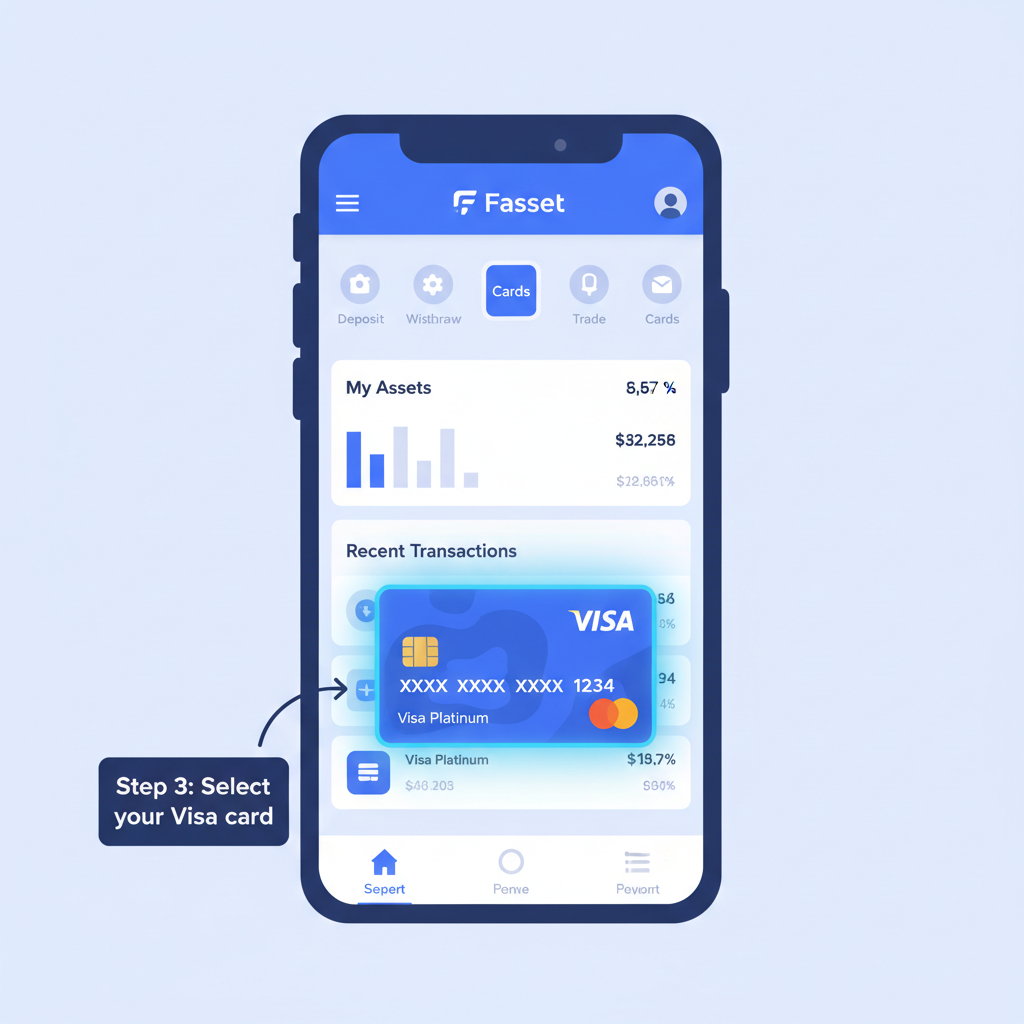
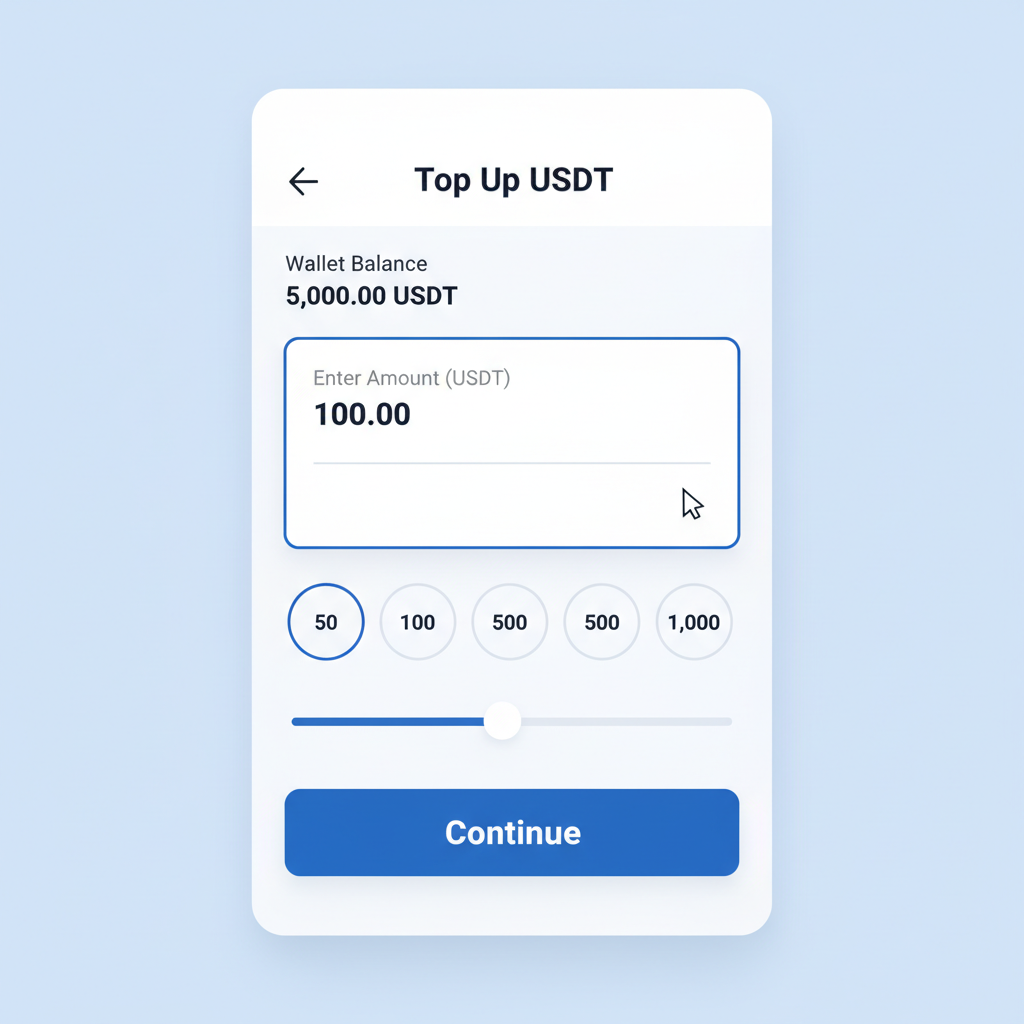
Fasset’s appeal lies in its balance: it honors Islamic finance principles while embracing stablecoins like USDC and USDT, making it a defi super app neobank for diverse users. Imagine topping up a virtual Visa card directly from your wallet holdings in USDT, adding it to Apple Pay or Google Pay, and earning OWN Points on every swipe. This isn’t hype; it’s a resilient setup for crypto holders navigating regulatory shifts and market dips.
Virtual Visa Cards Powered by Stablecoins
The standout feature for many is Fasset’s USDC debit card crypto functionality, though top-ups lean heavily on USDT for now. At a time when stablecoins underpin billions in daily volume, Fasset lets you convert holdings into spendable power wherever Visa networks reach – online merchants, physical stores, even contactless taps. No more clunky off-ramps to fiat; spend directly, earn rewards, and maintain exposure to your assets.
Consider the mechanics: deposit USDT or supported stablecoins into your Fasset wallet, load the card instantly, and track transactions in real-time via the app. OWN Points accrue per purchase, redeemable for fee reductions or exclusive perks, fostering loyalty without gimmicks. In regions like the UAE and Southeast Asia, where crypto adoption surges, this usdc debit card crypto tool democratizes spending. Yet, Fasset wisely caps daily limits to mitigate risks, a nod to prudent risk management I appreciate in volatile markets.

Critically, fees remain competitive – often under 2% for loads, with zero for certain remittances – undercutting traditional banks. For businesses, bulk payments in stablecoins streamline operations, especially cross-border. This positions Fasset as a crypto bank international payments hub, rivaling players like Crypto. com but with deeper RWA integration.
Tokenized RWA Investments for Steady Yields
Diving into rwa investments fasset offers, the platform tokenizes assets like gold and US stocks, allowing fractional ownership on-chain. This isn’t speculative DeFi; it’s backed by regulated vaults, appealing to conservative investors eyeing diversification. With Multichain Bridged USDC (Fantom) hovering at $0.0149 – down 0.0215% over 24 hours – pairing it with RWA provides ballast against crypto swings.
Users allocate fasset usdt holdings or other stables into these pools, earning yields from underlying assets rather than protocol incentives alone. Gold tokens track spot prices meticulously, while equity slices mirror S and amp;P performers. Yields? Competitive at 4-8% annually, per recent benchmarks, blending TradFi reliability with DeFi liquidity. I view this as a smart pivot: as RWAs explode – think Pendle Finance’s yield products – Fasset equips users to capture growth without full exposure.
USD Coin (USDC) Price Prediction 2027-2032
Forecast amid current depeg recovery, RWA adoption, stablecoin trends, and DeFi neobank integration like Fasset
| Year | Minimum Price | Average Price | Maximum Price | YoY % Change (Avg) |
|---|---|---|---|---|
| 2027 | $0.10 | $0.25 | $0.50 | +1567% |
| 2028 | $0.40 | $0.70 | $1.00 | +180% |
| 2029 | $0.80 | $0.95 | $1.05 | +35.7% |
| 2030 | $0.92 | $0.98 | $1.02 | +3.2% |
| 2031 | $0.97 | $0.99 | $1.01 | +1.0% |
| 2032 | $0.98 | $1.00 | $1.01 | +1.0% |
Price Prediction Summary
USDC, currently trading at approximately $0.015 in early 2026 due to bridged token depegging and market pressures, is forecasted to recover progressively toward its $1 USD peg. Recovery accelerates in 2027-2028 from heightened adoption in RWA investments, global payments via Fasset’s USDC debit cards, and regulatory clarity. Stabilization occurs by 2029-2030, with min/max reflecting bearish depeg risks and bullish premiums from demand surges.
Key Factors Affecting USD Coin Price
- RWA tokenization and investments boosting stablecoin utility and demand
- Regulatory approvals and compliance (e.g., VARA licenses for platforms like Fasset) enhancing trust
- DeFi neobank integrations enabling everyday spending with USDC via Visa cards and wallets
- Market cycles introducing temporary depegs in bear scenarios
- Improvements in multichain bridging and infrastructure reducing peg deviations
- Competition from USDT, emerging stablecoins, and traditional finance alternatives
Disclaimer: Cryptocurrency price predictions are speculative and based on current market analysis.
Actual prices may vary significantly due to market volatility, regulatory changes, and other factors.
Always do your own research before making investment decisions.
What sets Fasset apart is accessibility; no minimums for entry-level investments, and redemptions settle in USDT swiftly. For portfolios heavy in volatiles, this RWA layer enforces balance, echoing my mantra that resilience trumps returns in uncertain times. Regulators in licensed jurisdictions scrutinize these offerings, adding trust layers absent in pure DeFi plays.
Global Remittances and Payments Ecosystem
Fasset redefines crypto bank international payments by enabling instant stablecoin transfers worldwide, bypassing SWIFT delays and fees. Businesses remit payrolls, individuals send to family – all settled in USDC or USDT equivalents. Integrated with merchant gateways, it supports Shopify-like USDC payments via Solana, extending utility.
The app’s dashboard unifies views: card balances, investment performance, incoming remittances. Security shines with multi-sig wallets and VARA oversight, crucial as hacks plague exchanges. For high-net-worth users in emerging markets, Fasset’s fasset neobank model offers sovereignty over assets, unbanked access, and yield generation in one interface.
Yet sovereignty comes with strings attached: while Fasset’s multi-sig protocols and biometric logins fortify accounts, users must remain vigilant against phishing, a perennial threat in crypto spaces. I’ve seen platforms falter here, but Fasset’s VARA licensing – spanning UAE, Malaysia, and Indonesia – imposes rigorous audits, elevating it above unregulated alternatives.
Navigating Fees and Everyday Usability
Transparency defines Fasset’s fee structure, a rarity in neobanking. Card loads hover at 1-2% for USDT conversions, remittances often free for high-volume users, and RWA redemptions incur minimal spreads. Compare that to legacy banks’ 5-7% cross-border bites; Fasset’s model rewards frequent transactors with OWN Points, offsetting costs organically. In my experience managing portfolios, such incentives build habits without eroding principal.
Usability shines in the super app’s interface: intuitive swaps between USDC debit card crypto spends and rwa investments fasset allocations, with push notifications for yields or market nudges on Multichain Bridged USDC (Fantom) at $0.0149. Southeast Asian users praise its Bahasa support, while global nomads value offline card access. Minor gripes? App occasional lags during peak volatility, but updates address this swiftly.
Unlock Seamless Spending: Top Up Fasset Visa with USDT, Link Apple Pay & Earn OWN Points



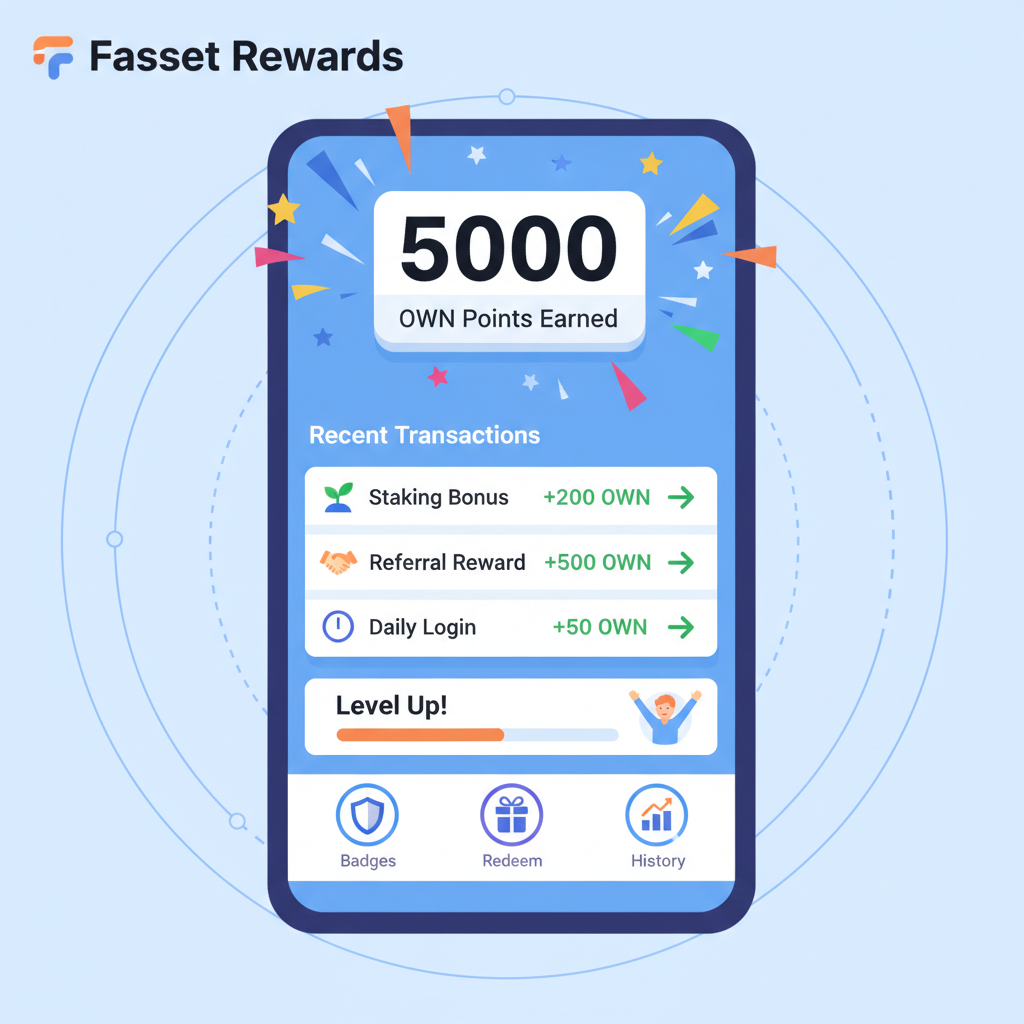
For businesses, the defi super app neobank shines in scaling: API integrations for payroll in stablecoins, analytics on fasset usdt holdings performance, and bulk remittance queues. This crypto bank international payments prowess positions Fasset as a growth engine for SMEs in high-remittance corridors like Indonesia to Middle East.
Fasset excels where others falter: regulatory armor meets DeFi speed, ideal for conservative crypto holders. Pros include instant global access, RWA diversification buffering dips like USDC’s 24-hour low of $0.0148, and rewards that compound loyalty. Cons? Limited fiat on-ramps in some regions and USDT dominance over USDC for cards, though expansions loom. Strategically, allocate 20-30% of stables here for ballast; I’ve modeled portfolios where RWA slices tempered 15% drawdowns to under 5%. Fasset suits mid-tier holders – not day-traders chasing 100x, but builders prioritizing resilience. As crypto matures, platforms like Fasset redefine banking by embedding stability into volatility. With Multichain Bridged USDC (Fantom) steady at $0.0149 despite a 24-hour dip of $0.000330, its tools empower users to thrive, not just survive. For those balancing digital ambition with real-world needs, this neobank delivers measured progress, one secure transaction at a time.
Feature
Fasset
Competitors (e. g. , Crypto. com)
USDC Debit Cards
Virtual Visa, Apple/Google Pay
Physical cards, higher fees
RWA Yields
Gold/Stocks, 4-8%
Limited tokenized assets
Remittances
Free tiers, instant
SWIFT-dependent
Regulation
VARA multi-jurisdiction
Varies by region
About the Author