

In the evolving landscape of digital finance as of 2026, Fasset neobank stands out as a licensed pioneer in Indonesia, blending traditional banking with cryptocurrency management in a single app. This Fasset review 2026 delves into its crypto debit cards, USDC and USDT support, and RWA investments, offering a platform where users fund global USD accounts with stablecoins or fiat while accessing tokenized assets previously out of reach for emerging markets.
Fasset positions itself as a stablecoin-powered Islamic bank, emphasizing Sharia-compliant features alongside broad financial services. Users receive money, invest, earn yields, and pay globally through an intuitive super app. Its unique status as Indonesia’s sole licensed neobank underscores regulatory compliance in a region hungry for crypto integration, delivering USDT and USDC where conventional brokers falter.
Fasset’s Core Services: From Stablecoin Wallets to Global Spending
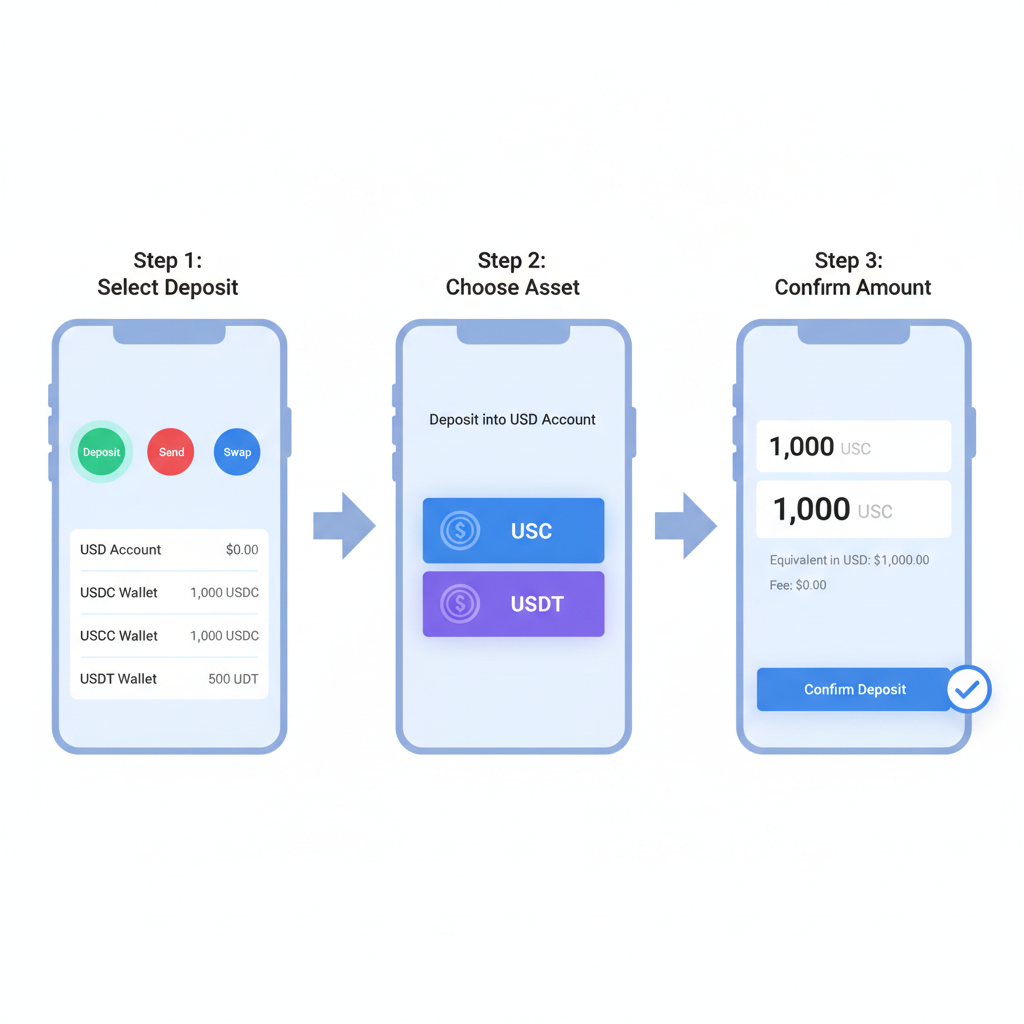
At its heart, Fasset provides a comprehensive USD account fundable via USD, USDC, USDT, or other cryptocurrencies. This setup eliminates friction for holding and transacting digital assets. The platform’s security credentials, including SOC2 Type II and ISO27001 certifications, instill confidence amid rising cyber threats in fintech.
Customer feedback praises the app’s investment tools and everyday usability, though occasional account access glitches and support delays temper enthusiasm. For businesses and individuals in emerging markets, Fasset bridges gaps by tokenizing US stocks, metals, bonds, and commodities, making diversified portfolios accessible without traditional brokerage hurdles.
The Fasset Card: Crypto Debit Innovation with USDT Top-Ups
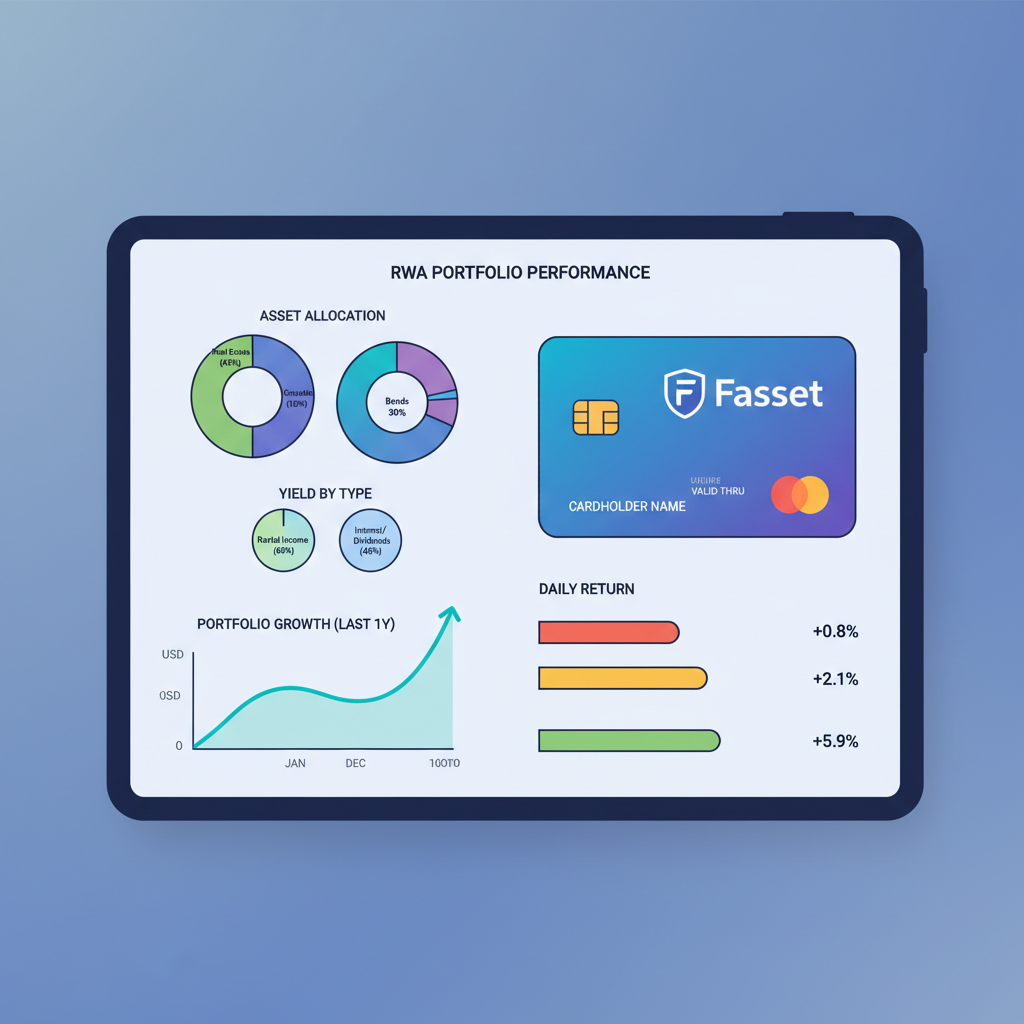
The crypto debit card Fasset offers virtual and physical variants, topped up directly with USDT for seamless spending. Compatible with Apple Pay and Google Pay, it works wherever Visa is accepted, supporting contactless payments worldwide. Earn OWN Points on transactions to unlock rewards, adding tangible value to daily use.
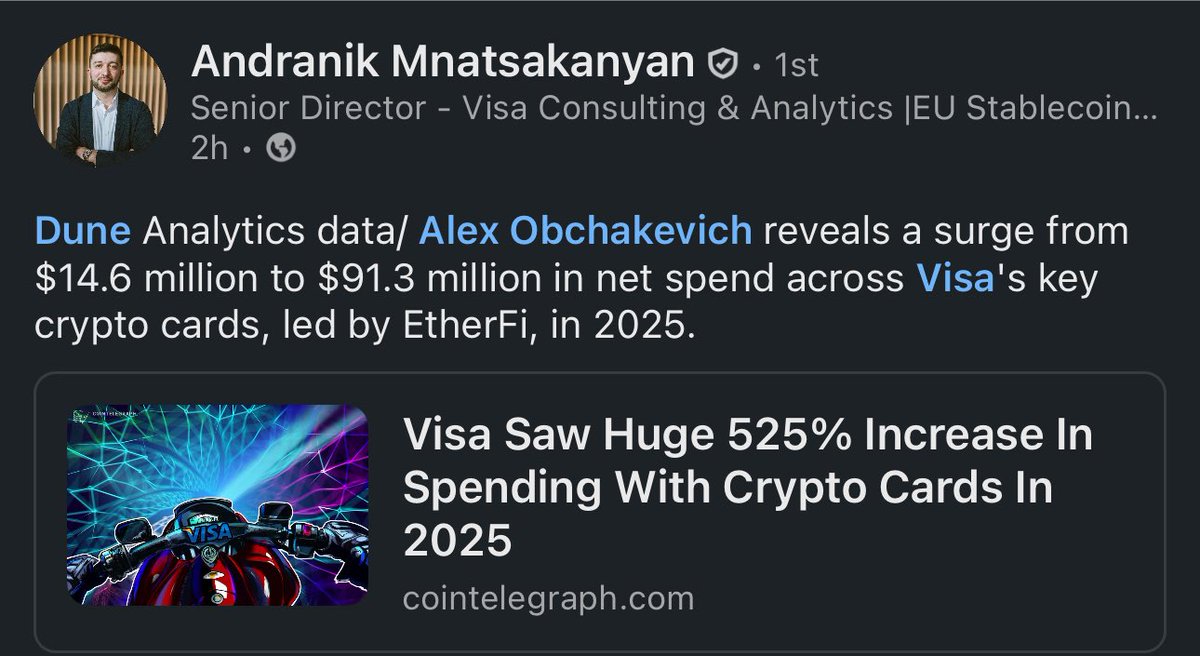
This card outperforms many no-KYC alternatives in fees and perks, aligning with industry shifts like Visa’s crypto withdrawals in 145 countries. In contrast to pure crypto cards, Fasset’s neobank model integrates banking services, stablecoin management, and investments, creating a holistic ecosystem. Users convert USDC or USDT holdings into spendable funds instantly, sidestepping volatility through stablecoin backing.
Multichain Bridged USDC (Fantom) Price Prediction 2027-2032
Projections based on 2026 price of $0.0149 amid Fasset Neobank adoption, crypto debit cards, and RWA trends
| Year | Minimum Price | Average Price | Maximum Price |
|---|---|---|---|
| 2027 | $0.0120 | $0.0155 | $0.0190 |
| 2028 | $0.0130 | $0.0165 | $0.0210 |
| 2029 | $0.0140 | $0.0180 | $0.0235 |
| 2030 | $0.0150 | $0.0200 | $0.0265 |
| 2031 | $0.0160 | $0.0220 | $0.0295 |
| 2032 | $0.0170 | $0.0240 | $0.0330 |
Price Prediction Summary
Bridged USDC on Fantom is expected to stabilize around current levels with gradual appreciation driven by neobank integrations like Fasset, enhanced payment utility via debit cards, and RWA investments. Average price projected to grow ~10% annually in bullish adoption scenarios, though depegging risks and market volatility could pressure mins.
Key Factors Affecting USD Coin Price
- Neobank adoption (e.g., Fasset’s USDC/USDT debit cards and global payments)
- Stablecoin regulatory clarity in emerging markets like Indonesia and UAE
- Cross-chain bridging tech improvements reducing depeg risks
- Crypto market cycles and broader stablecoin demand
- Competition from USDT and native stablecoins
- RWA tokenization growth integrating stablecoins
- Visa and payment network expansions for crypto spending
Disclaimer: Cryptocurrency price predictions are speculative and based on current market analysis.
Actual prices may vary significantly due to market volatility, regulatory changes, and other factors.
Always do your own research before making investment decisions.
Operational efficiencies shine here: lower regulatory friction than pure stablecoins, seamless infrastructure fit, and instant settlements appeal to banks and users alike. For UAE and Indonesian markets, Fasset’s approach leverages fintech innovations, enabling US stock exposure via RWA tokenization – a real blockchain use case democratizing investments.
USDC and USDT Support: Stability in a Volatile Market
Fasset’s embrace of USDC USDT Fasset funding underscores its focus on reliable value storage. As of February 2026, Multichain Bridged USDC (Fantom) trades at $0.0149, down 0.0245% over 24 hours from a high of $0.0153 and low of $0.0148. This precise peg management ensures users maintain purchasing power for card top-ups and investments.
Neobanks like Fasset redefine payments, potentially reducing Visa’s dominance through crypto coordination. Unlike traditional banks, they offer crypto management without silos; versus standalone cards, they provide full banking suites. This integration proves vital in regions like Indonesia, where Fasset’s license enables compliant delivery of stablecoins and RWAs.
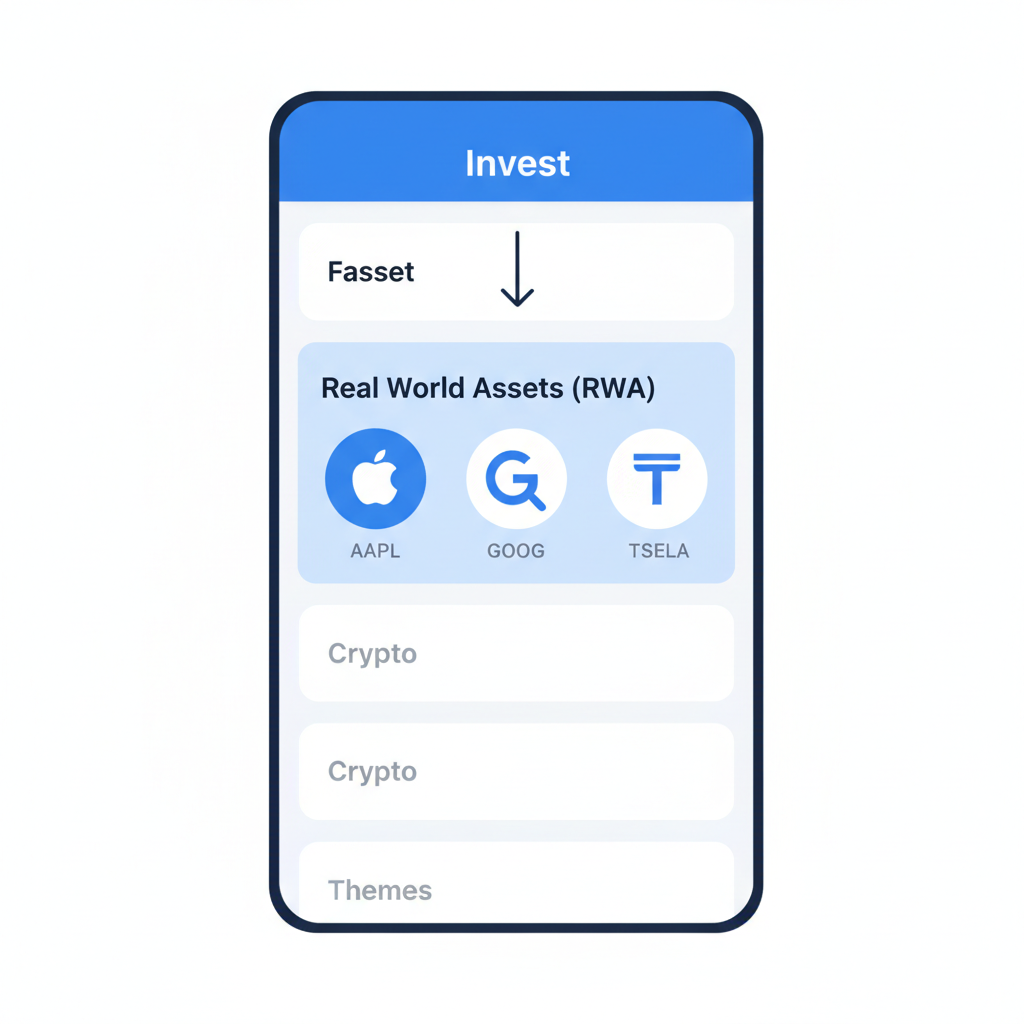
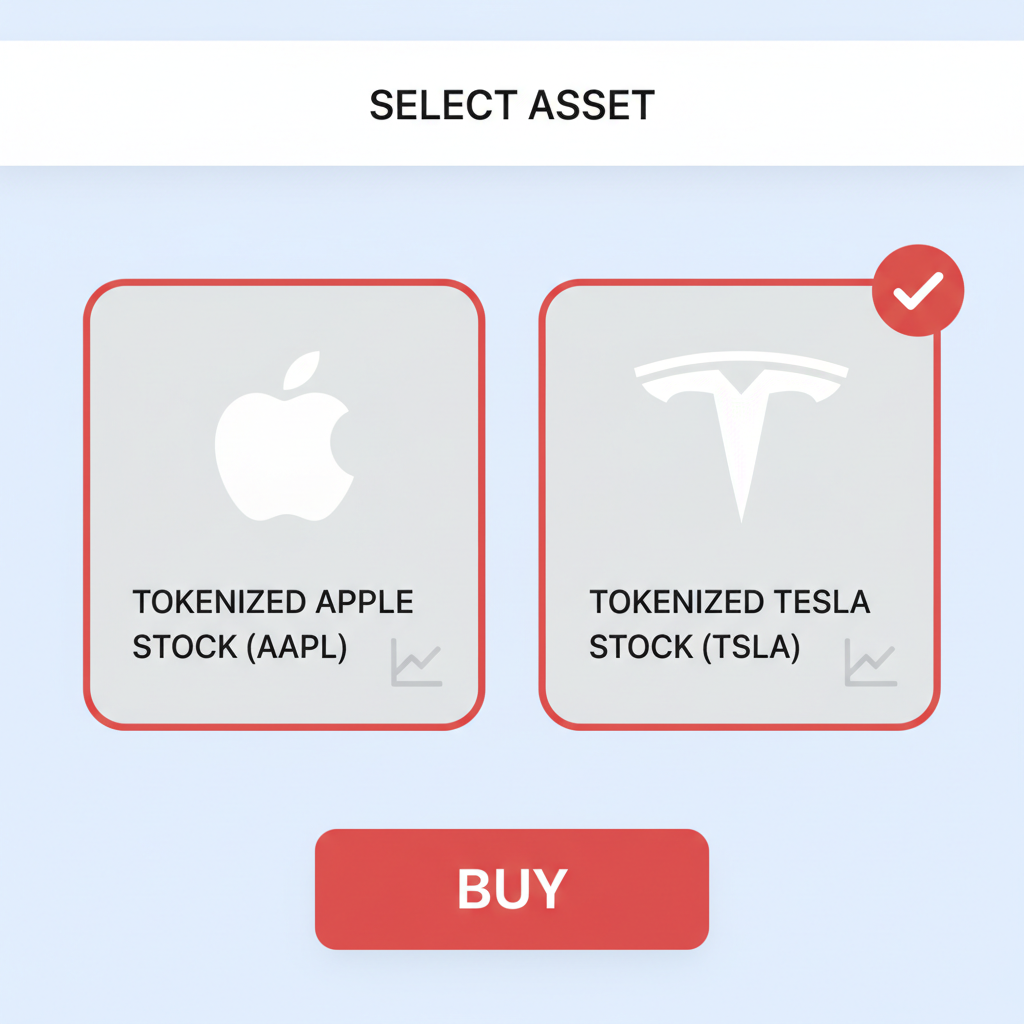
Real-world asset (RWA) investments through Fasset represent a cornerstone of its appeal, particularly for users in emerging markets seeking exposure to US stocks, metals, bonds, and commodities without navigating complex international brokerages. Tokenization transforms these assets into blockchain-based tokens, enabling fractional ownership and liquidity that traditional systems rarely match. This approach aligns with blockchain’s practical promise, as Fasset delivers assets unattainable through local Indonesian banks or brokers.
RWA Investments: RWA investments Fasset Democratizing Global Portfolios
Fasset’s RWA offerings stand out by bridging emerging markets to tokenized US equities and other assets, a feat rooted in regulatory savvy and technological edge. Investors allocate stablecoin balances like USDC at $0.0149 or USDT into these tokenized instruments, benefiting from yields and diversification. While Multichain Bridged USDC (Fantom) holds steady with a 24-hour range between $0.0148 and $0.0153, such stability underpins confident positioning in RWAs amid broader crypto fluctuations. The platform’s defi super app neobank design facilitates instant settlements, echoing fintech trends where tokenized assets reduce friction versus legacy infrastructure.
Security bolsters this ecosystem: SOC2 Type II and ISO27001 certifications signal rigorous audits, vital when principal loss looms in any investment. Yet, Fasset’s Islamic banking ethos adds nuance, ensuring Sharia compliance for yield-generating products, a rarity in crypto neobanks. Customer sentiment leans positive on investment versatility, though support responsiveness draws critique – a common fintech growing pain.

This trend https://t.co/h2ApgJSisq
Getting Started: Practical Onboarding for Crypto Debit and Investments
Fasset streamlines entry into its services, from funding USD accounts with USDC at its current $0.0149 price point to activating the crypto debit card. This neobank’s edge over fragmented crypto cards or rigid traditional banks lies in unified access, earning OWN Points per spend while investing in RWAs seamlessly.
Fund Fasset USD, Top Up Card & Spend Globally with USDT/USDC
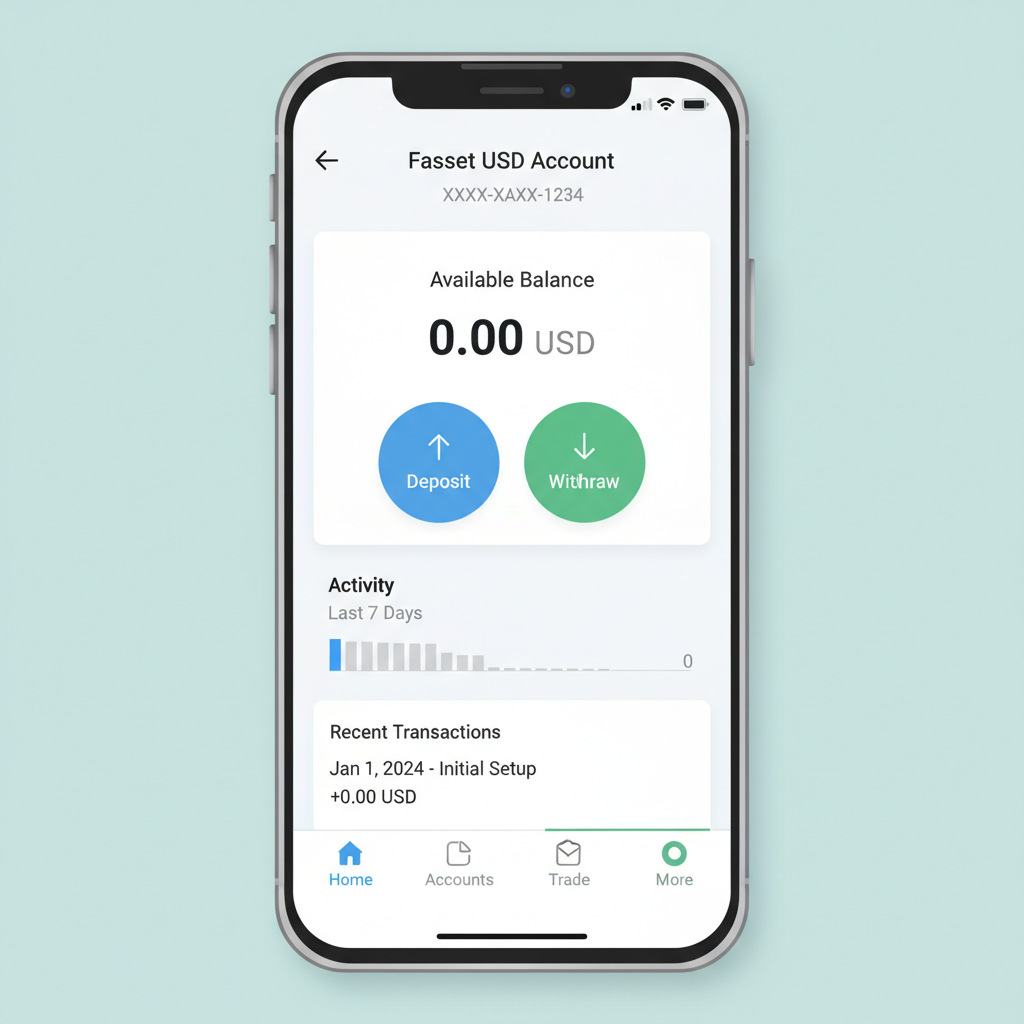
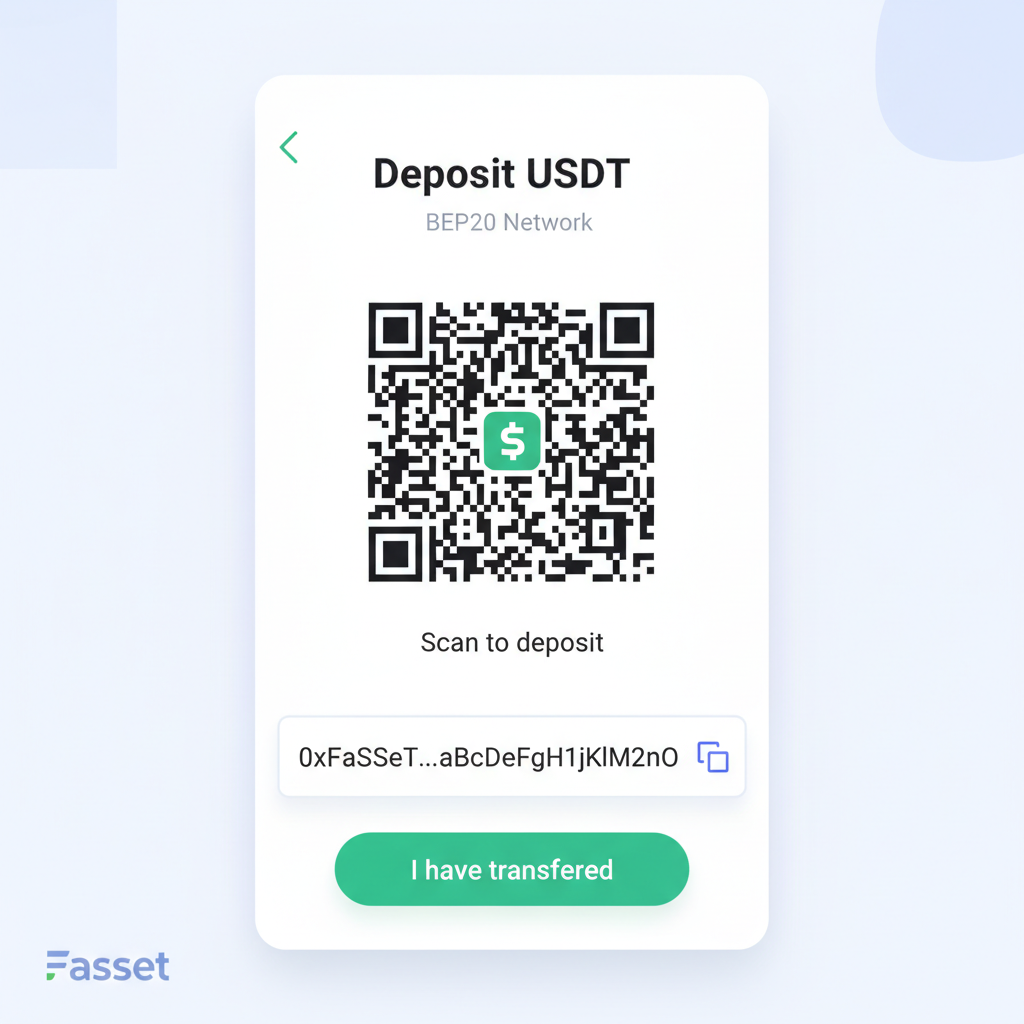
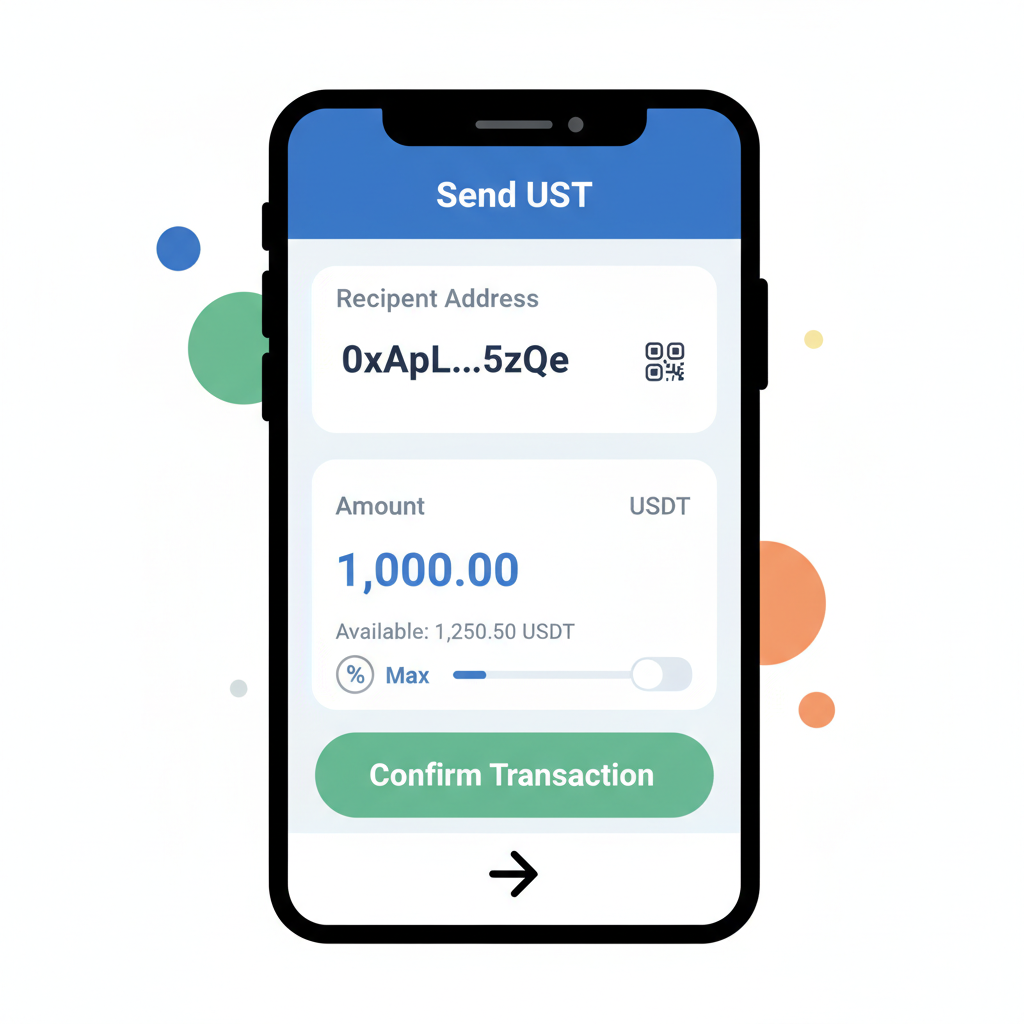
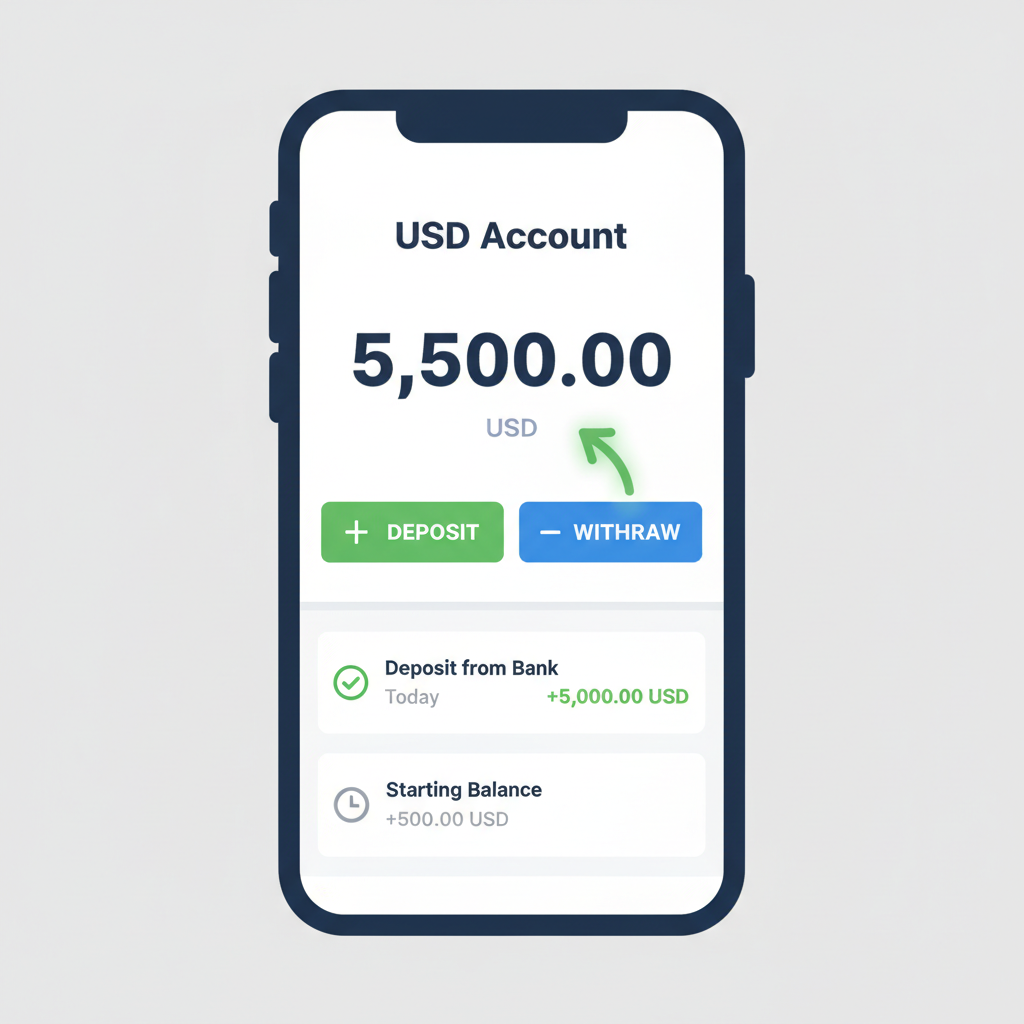
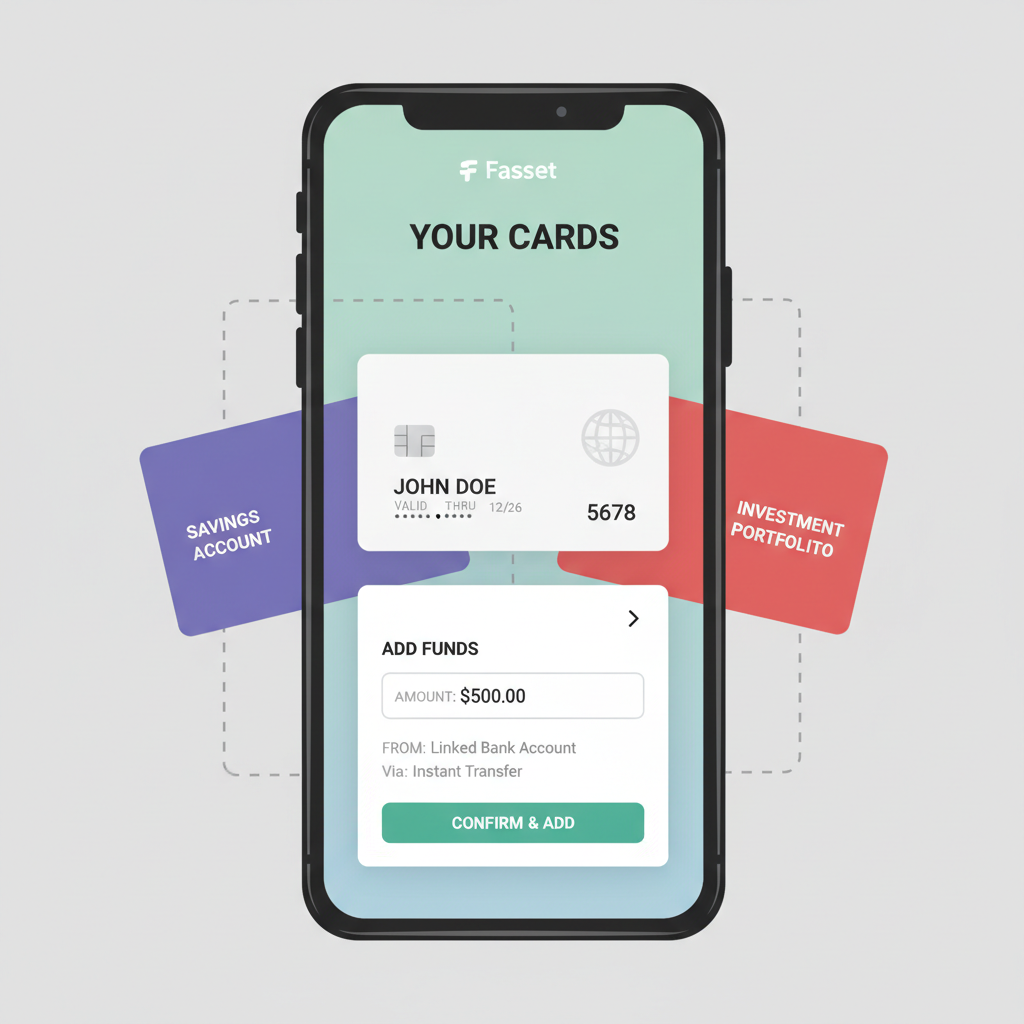


Operational wins extend to businesses: receive payments, earn yields, and invest without borders. In Indonesia’s regulated landscape, Fasset’s license uniquely positions it to deliver these tools, outpacing competitors in compliance and scope.
How Fasset Tokenizes US Stocks for Emerging Markets: Step-by-Step RWA Guide
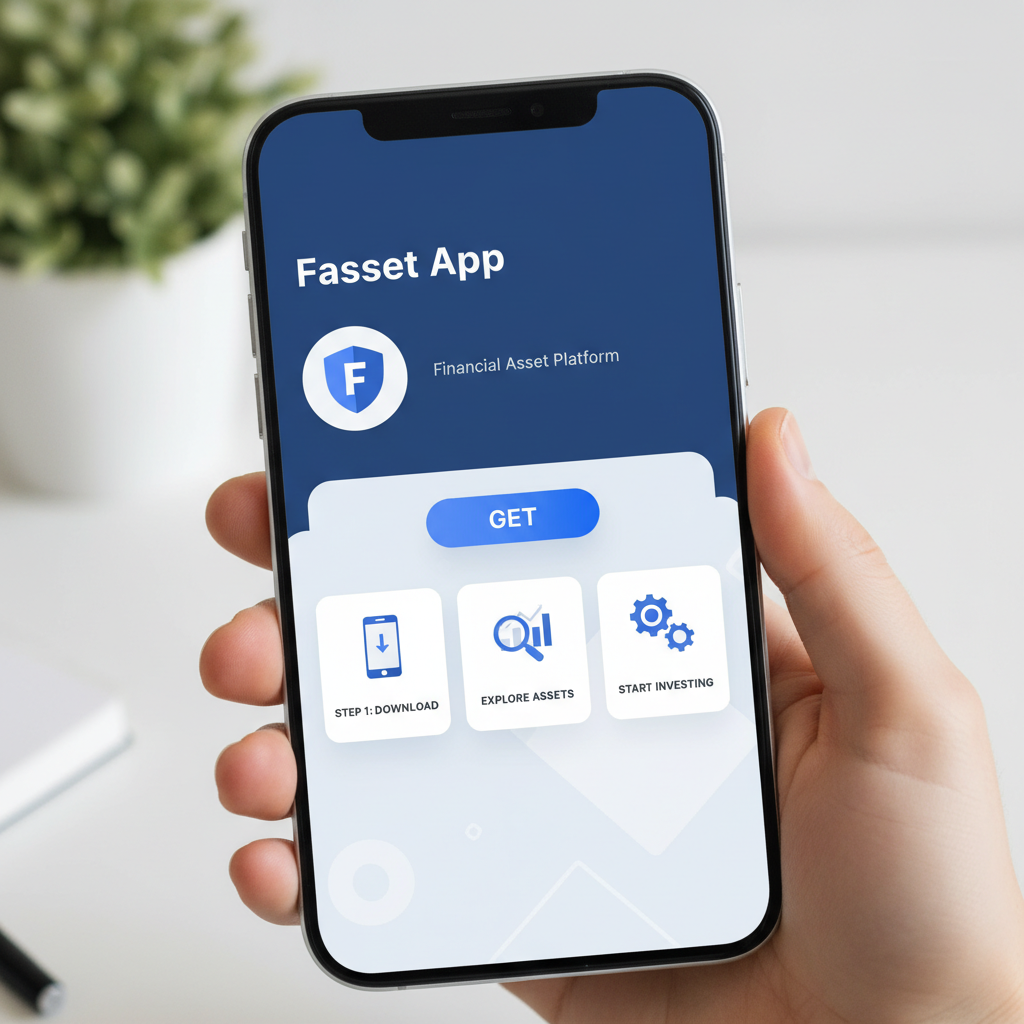
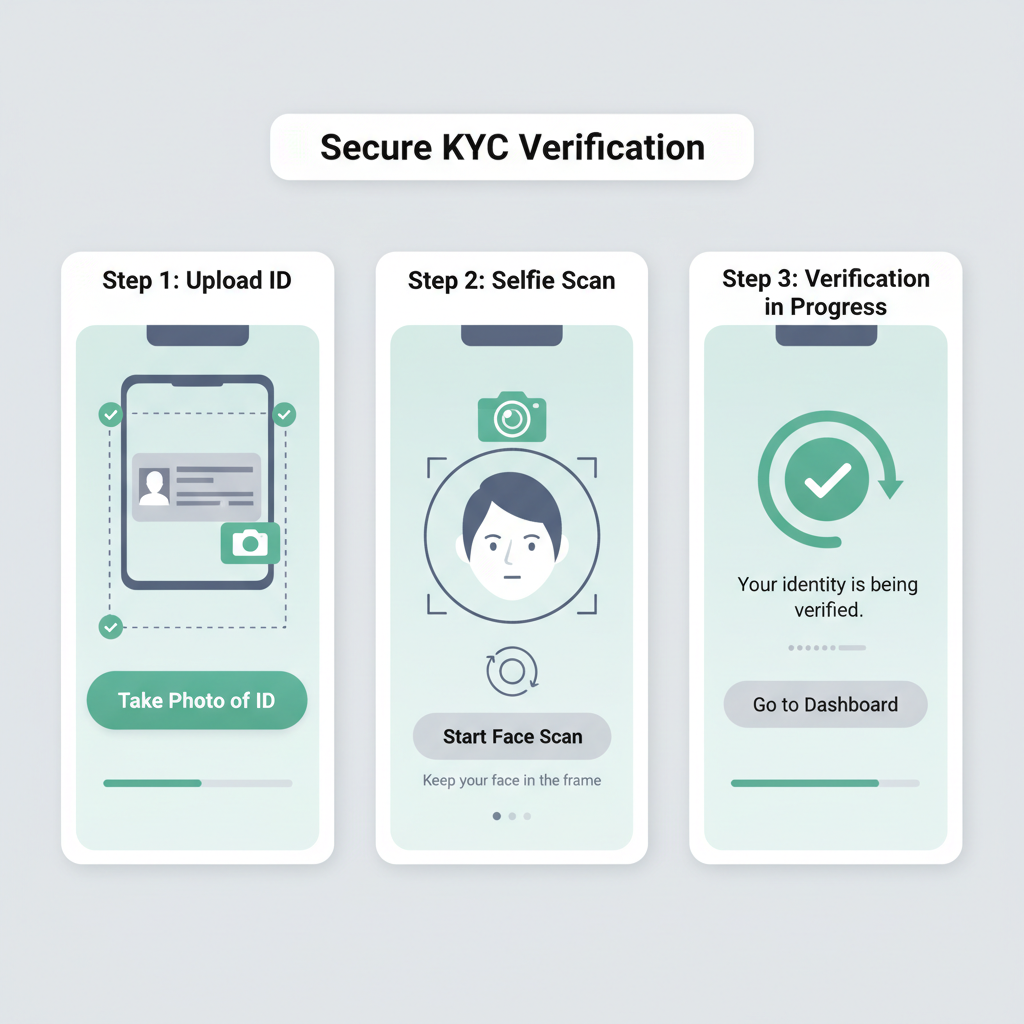
User Experience and Risks: Balancing Rewards with Realities
Everyday users appreciate the Fasset Card’s low fees and global reach, often rating it above no-KYC rivals for perks and integration. Topping up with USDT converts holdings into spendable USD instantly, while OWN Points accrue for loyalty. Investments in tokenized assets offer portfolio diversification, but volatility persists – even stablecoins like Multichain Bridged USDC (Fantom) at $0.0149 reflect nuanced market dynamics with its -0.0245% 24-hour dip.
Challenges surface in support delays and occasional access hiccups, underscoring the need for self-reliant users. Compared to peers, Fasset excels in holistic services but demands vigilance on risks: principal erosion in RWAs, regulatory shifts in UAE or Indonesia, and crypto’s inherent uncertainties. Its Sharia focus appeals to specific demographics, enhancing cultural fit in Muslim-majority regions.
For those eyeing a fasset neobank that fuses stablecoin utility with tokenized growth, it delivers measurable value in 2026’s digital finance arena. Methodical users prioritizing compliance and diversification find here a managed risk avenue, where stablecoin pegs like USDC’s $0.0149 anchor broader ambitions. Platforms evolve, yet Fasset’s licensed innovation charts a prudent path forward.
About the Author