
As Bitcoin holds steady at $69,615.00, up $2,819.00 over the past 24 hours with a high of $69,821.00 and low of $66,780.00, the crypto landscape in early 2026 reveals a maturing ecosystem where volatility meets innovation. On-chain neobanks have quietly amassed billions in crypto assets, operating without a single physical branch, thanks to blockchain's unyielding infrastructure. These crypto neobanks blend seamless digital wallets, high-yield stablecoin savings, and instant global payments, drawing users weary of traditional banks' fees and delays.
This shift isn't mere hype; it's a structural pivot. Data points to on-chain neobanks expanding from $149 billion in 2024 to a staggering $4.4 trillion by 2034, fueled by tokenized real-world assets and DeFi protocols. Platforms now manage vast sums in stablecoins and BTC, offering yields north of 10% while traditional savings languish below 1%. In a world of $19 billion single-day liquidations, these entities prove resilient, prioritizing transparent ledgers over opaque ledgers.

Why Blockchain Neobanks Outpace Legacy Systems
Traditional banks rely on branches, intermediaries, and 9-to-5 hours; decentralized crypto banks run 24/7 on Ethereum and beyond. They tokenize treasuries for competitive APYs and enable borderless FX at blockchain speeds. Consider the appeal: no credit checks for yields, instant settlements, and security baked into smart contracts. As Amundi warns, asset managers ignoring on-chain offerings risk obsolescence. For everyday users, this means accessing billions in managed assets via a phone app, sidestepping the friction of wires and waits.
Market leaders are already capitalizing. Crypto. com leads with its vast ecosystem, handling billions in on-chain volumes through debit cards yielding 4% cashback and stablecoin staking above 10%. Revolut follows closely, integrating crypto trading with fiat ramps, boasting user-friendly multi-currency wallets that manage ETH and BTC seamlessly. Cash App simplifies entry for novices, embedding Bitcoin buys and Lightning Network sends into daily spending, quietly scaling to billions under management.
Spotlight on Top Performers: Crypto. com and Revolut
Crypto. com stands out for its aggressive expansion into crypto asset banking. With over 80 million users, it processes billions in on-chain transactions, offering everything from NFC payments to leveraged trading. Its stablecoin yields, often exceeding 12% on USDC holdings, attract yield hunters fleeing low-rate bank accounts. Security remains paramount; cold storage and insurance cover vast holdings, even as BTC dances between $66,780.00 and $69,821.00 daily.
Revolut, Europe's fintech darling turned global powerhouse, manages billions without branches by layering blockchain rails atop fiat services. Users earn on stablecoins while spending crypto via Visa cards. Its edge? Intuitive apps that abstract complexity, letting retail investors rotate profits from long-term BTC holds into diversified on-chain products. In 2026, Revolut's tokenized asset marketplace underscores its bet on a $4.4 trillion future.
Bitcoin (BTC) Price Prediction 2027-2032
Predictions in the Context of On-Chain Neobank Growth and Adoption Managing Billions in Assets
| Year | Minimum Price (Bearish Scenario) | Average Price | Maximum Price (Bullish Scenario) |
|---|---|---|---|
| 2027 | $75,000 | $110,000 | $160,000 |
| 2028 | $90,000 | $150,000 | $250,000 |
| 2029 | $120,000 | $220,000 | $400,000 |
| 2030 | $160,000 | $320,000 | $600,000 |
| 2031 | $220,000 | $450,000 | $850,000 |
| 2032 | $300,000 | $600,000 | $1,200,000 |
Price Prediction Summary
Fueled by the explosive growth of on-chain neobanks—projected to expand from $149B in 2024 to $4.4T by 2034—Bitcoin is forecasted to experience significant appreciation. Increased on-chain asset management, tokenized treasuries, and DeFi yields will drive adoption, with average prices potentially rising from $110K in 2027 to $600K by 2032, representing over 760% growth from current levels (~$70K). Bearish mins account for corrections and regulations, while bullish maxes reflect full adoption scenarios.
Key Factors Affecting Bitcoin Price
- Rapid expansion of on-chain neobanks enabling 24/7 global finance and billions in BTC holdings
- Tokenization of real-world assets and stablecoin integration boosting BTC utility
- Institutional inflows from asset managers developing on-chain offerings
- Bitcoin halving cycles (next in 2028) amplifying market cycles
- Regulatory tailwinds supporting DeFi and neobanks amid maturing infrastructure
- Potential risks: market liquidations, profit-taking rotations, and competition from altcoins
Disclaimer: Cryptocurrency price predictions are speculative and based on current market analysis. Actual prices may vary significantly due to market volatility, regulatory changes, and other factors. Always do your own research before making investment decisions.
Challengers Gaining Ground: Cash App, Wirex, and Bitpanda
Cash App democratizes access, with Square's backing enabling billions in Bitcoin custody. Its peer-to-peer sends and stock-crypto bundles appeal to the unbanked, fostering loyalty through simplicity. Wirex pushes boundaries with its Web3 wallet, offering crypto-backed loans and 8% yields on holdings, all while processing card spends in 150 and currencies. Bitpanda rounds out the pack, excelling in European compliance while unlocking staking rewards and NFT integrations for billions in AUM.
Wirex's strength lies in its hybrid model, bridging fiat and crypto with non-custodial wallets that let users retain control over billions in assets. Its crypto-backed credit lines, powered by overcollateralized loans on blockchain rails, offer flexibility without the red tape of traditional lenders. Meanwhile, Bitpanda's European roots ensure robust regulatory alignment, making it a haven for conservative investors managing BTC at $69,615.00 alongside tokenized stocks and commodities. With features like automated staking and metal-backed savings, it quietly scales assets under management, proving compliance doesn't stifle innovation.
Key Metrics: How These Platforms Stack Up
Among these leaders, Crypto. com dominates on-chain card volumes, reportedly hitting $5 billion amid market turbulence, per industry analysts. Revolut excels in user scale, with seamless fiat-crypto ramps processing billions daily. Cash App's Bitcoin focus simplifies adoption, while Wirex and Bitpanda shine in multi-asset yields and compliance. All five prioritize stablecoin integrations for yields above 10%, far outpacing legacy banks, and leverage tokenized treasuries for risk-adjusted returns. This isn't speculation; it's a calculated edge in a market where Bitcoin's 24-hour range from $66,780.00 to $69,821.00 tests resilience.
Top 5 On-Chain Neobanks 2026
- #1 Crypto.comManaging $12B+ AUM in crypto assets.Top yields: up to 14% APY on stablecoins.Card cashback: up to 8% via CRO rewards.
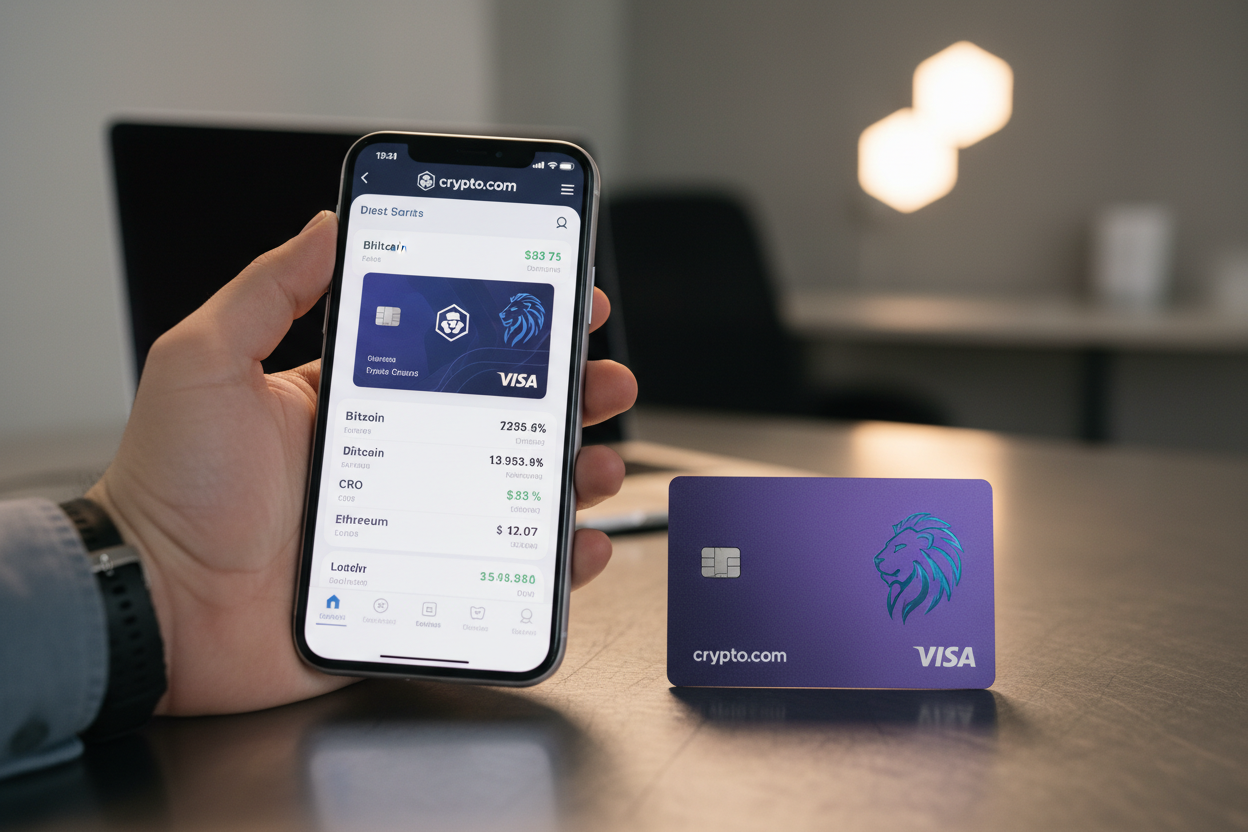
- #2 Revolut$8B+ AUM with seamless crypto integration.Top yields: up to 12% APY on select staking.Card cashback: up to 1.5% on premium plans.

- #3 Cash App$6B+ AUM focused on BTC holdings.Top yields: 5%+ APY on cash balances.Card cashback/boosts: up to 10% at partners.

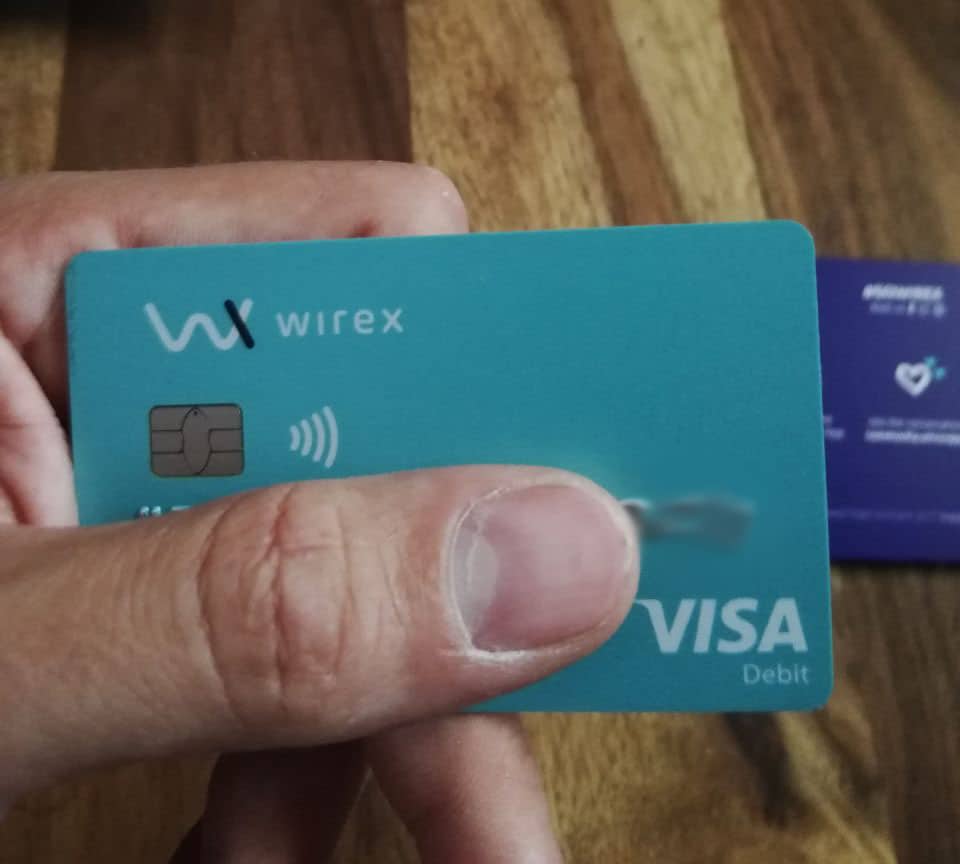
- #4 Wirex$2B+ AUM in multi-currency crypto.Top yields: up to 12% APY on savings.Card cashback: up to 21% in WXT (elite tier).
- #5 Bitpanda$4B+ AUM across tokenized assets.Top yields: up to 15% APY on savings plans.Card cashback: up to 2% on Bitpanda Card.
Security underpins their billions. Each employs multi-signature wallets, hardware isolation, and on-chain transparency, audited by firms like Certik. Unlike centralized exchanges hit by hacks, these blockchain neobanks distribute risk via smart contracts. Insurance pools cover user funds, and real-time proof-of-reserves builds trust. In DeFi's maturing ecosystem, they're the bridge to programmable money, enabling 24/7 payments without intermediaries.
Risks and Realities: Beyond the Billions
Yet balance demands scrutiny. Volatility remains; a $19 billion liquidation day underscores crypto's wild swings. Regulatory headwinds loom, especially in Europe where Bitpanda navigates MiCA rules. Yields, while alluring, tie to protocol risks, smart contract bugs or oracle failures could erode gains. Users must weigh self-custody trade-offs: full control versus convenience. For institutions, Amundi's warning rings true, on-chain or bust. Retail adopters, however, find empowerment in apps that turn BTC profits into diversified portfolios overnight.
Plasma One's 4% cashback cards exemplify the consumer shift, but our top five elevate it. Crypto. com's ecosystem locks in loyalty with NFTs and leveraged products. Revolut's FX mastery suits globetrotters. Cash App's after-hours sends via Lightning redefine speed. Wirex loans fuel entrepreneurship; Bitpanda's metals hedge inflation. Together, they manage billions without branches, proving decentralized crypto banks aren't fringe, they're foundational.
Looking ahead, on-chain neobanks eye that $4.4 trillion horizon by 2034, as blockchain scales via layer-2s and tokenized RWAs. With Bitcoin steady at $69,615.00 and stablecoins surging, these platforms will deepen DeFi ties, offering credit scores from on-chain history and AI-driven portfolios. Early movers like our top five position users not just to survive volatility, but thrive through it. The lesson? In digital finance, agility trumps legacy every time. Choose based on needs, yields for savers, cards for spenders, compliance for the cautious, and build resilience one blockchain transaction at a time.


No comments yet. Be the first to share your thoughts!